
Clinical Benefits
Clinical Benefits
Elevated dihydrotestosterone (DHT) is a potent androgen hormone that, when excessive, can lead to hair loss, acne, oily skin, and prostate enlargement in men. DHT is synthesized from testosterone via 5α-reductase enzymes, with Type 1 primarily affecting skin and scalp, while Type 2 impacts prostate and hair follicles. Managing DHT levels requires a multifaceted approach that targets enzyme inhibition, hormone binding, and nutritional support.
Zinc plays a crucial role as a natural DHT regulator by inhibiting both 5α-reductase Type 1 and Type 2 enzymes. In a comprehensive rat study, zinc supplementation at 5 mg per kg daily (equivalent to 57 mg for humans) demonstrated remarkable effects over 90 days. While testosterone levels increased by over 100%, zinc simultaneously suppressed DHT conversion by 60%, as measured by the DHT to testosterone ratio [41]. This dual action is particularly beneficial for prostate health, as zinc also induces controlled cell death in prostate epithelial cells, helping prevent the uncontrolled proliferation characteristic of benign prostatic hyperplasia [42]. Clinical evidence shows that zinc deficiency is common in prostate disorders, with prostatic zinc levels reduced by over 50% in BPH tissue [42]. For hair health, women with DHT-associated hair loss showed significantly lower zinc levels, with serum zinc 49% lower and hair zinc 28% lower than healthy controls [45].
Zinc's benefits extend beyond hormone regulation to include direct therapeutic effects on DHT-related conditions. For acne management, clinical trials demonstrate that oral zinc supplementation at 30 mg daily over two months leads to a 28-32% reduction in inflammatory acne lesions [46]. This reduction, while 50% less effective than the antibiotic minocycline, comes without the side effects commonly associated with pharmaceutical treatments. The anti-acne effects likely result from zinc's dual mechanism of DHT inhibition and its role in supporting skin barrier function and reducing inflammation.
Nutritional deficiencies, particularly of divalent metal ions like zinc, copper, and iron, can lead to unchecked 5α-reductase activity and increased DHT production [44]. Zinc supplementation should be carefully dosed, as evidence indicates that doses below 100 mg of elemental zinc per day are both effective and safe for long-term use, while higher doses may paradoxically increase advanced prostate cancer risk [43]. The optimal therapeutic range appears to be 30-50 mg of elemental zinc daily, providing DHT-regulating benefits while maintaining safety margins for extended supplementation periods.
[41]>https://www.mdpi.com/2072-6643/12/1/153
[42]>https://pmc.ncbi.nlm.nih.gov/articles/PMC7424038/
[45]>https://pmc.ncbi.nlm.nih.gov/articles/PMC6124235/
[46]>https://pmc.ncbi.nlm.nih.gov/articles/PMC4120804/
[44]>https://pubmed.ncbi.nlm.nih.gov/7738354/
[43]>https://academic.oup.com/jnci/article-abstract/95/13/1004/2520319?redirectedFrom=fulltext
Ingredients
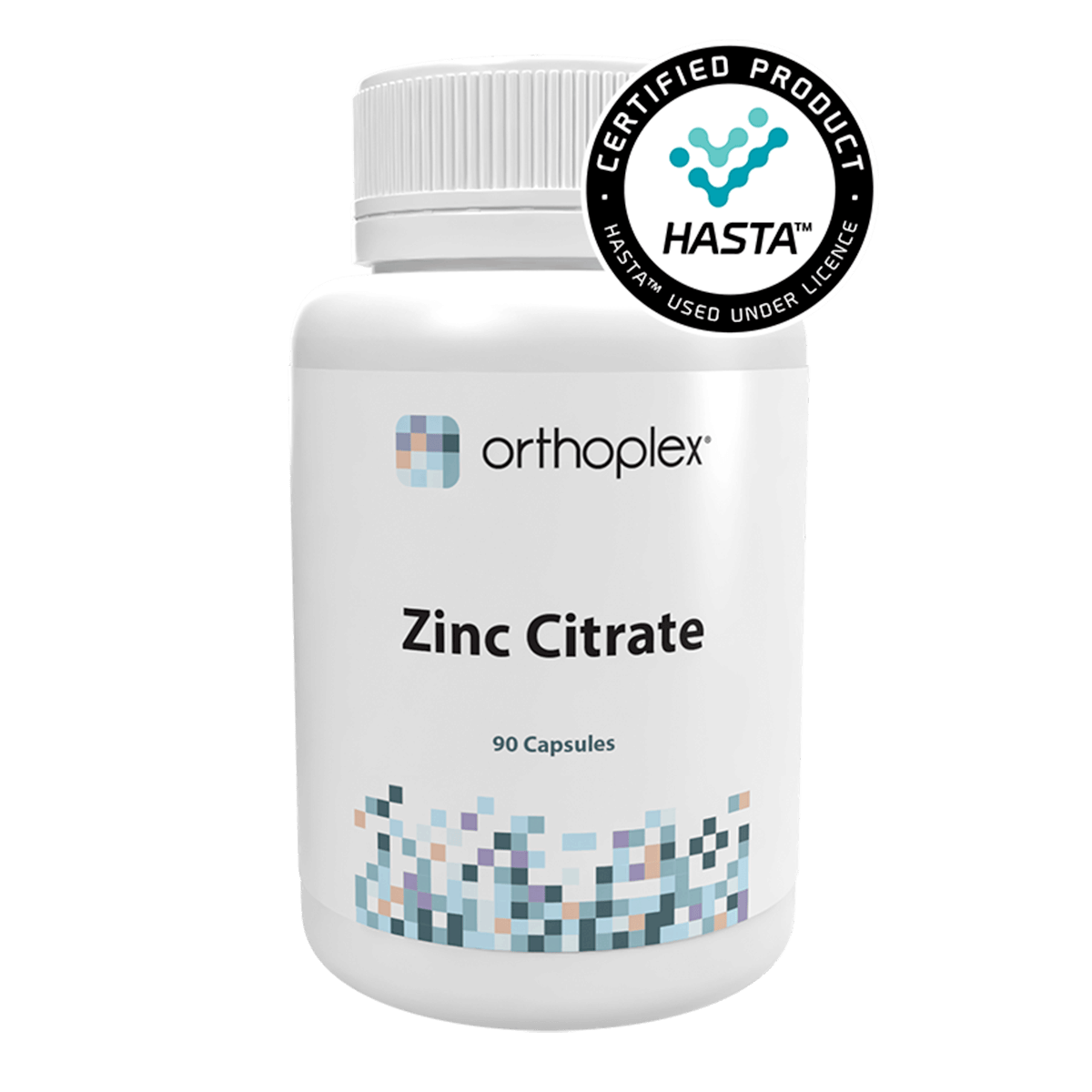
Zinc citrate dihydrate
equiv. Zinc
95.8 mg
30 mg
Instructions
Instructions
Dosage
1 capsule daily with a large glass of water
Duration
Suitable for long-term elevated DHT management
Warnings
Always read the label
Dietary supplements should not replace a balanced diet
If symptoms persist, worsen or change unexpectedly, consult your healthcare professional
Contains zinc which may be dangerous if taken in large amounts or for a long period
Contraindications
Contraindications
This supplement may interact with the following categories of medications, as well as specific active ingredients.
• Antibiotics
• Bictegravir/emtricitabine/tenofovir alafenamide
• Cephalexin
• Cisplatin
• Medications for HIV/AIDS
• Penicillamine
• Ritonavir
• Atazanavir
Further details are provided below.
Please note that medications may be sold under different brand names, so check the listed active ingredients against your medication packaging.
Major Interactions
Moderate Interactions
Antibiotics
• Doxycycline
• Ciprofloxacin
• Amoxicillin
• Azithromycin
• Norfloxacin
• Trimethoprim
Zinc might decrease how much antibiotic the body absorbs from the gut. Taking zinc along with quinolone antibiotics might decrease the effects of these antibiotics. To avoid this interaction, take antibiotics at least 2 hours before or 4-6 hours after zinc supplements.
Zinc can decrease the amount of tetracyclines the body absorbs. Taking zinc with tetracyclines might decrease the effects of tetracyclines. To avoid this interaction, take tetracyclines 2 hours before or 4-6 hours after taking zinc supplements.
Bictegravir/emtricitabine/tenofovir alafenamide
• Biktarvy
In theory, zinc might decrease how much bictegravir/emtricitabine/tenofovir alafenamide the body absorbs from the stomach. To avoid this interaction, take bictegravir/emtricitabine/tenofovir alafenamide at least 2 hours before or 6 hours after zinc containing products.
Cephalexin
• Keflex
Zinc can reduce how much cephalexin the body absorbs. This might decrease how well cephalexin works for treating infections. To avoid this interaction, take zinc 3 hours after taking cephalexin.
Cisplatin
• Platinol-AQ
Cisplatin is used to treat cancer. Taking zinc along with cisplatin might inactivate cisplatin therapy. But it's not clear if this is a big concern.
Medications for HIV/AIDS
• Integrase inhibitors
Taking zinc along with integrase inhibitors might decrease blood levels of integrase inhibitors. This might decrease the effects of these medications. Talk to your healthcare provider if you are using integrase inhibitors and want to start taking zinc.
Penicillamine
• Cuprimine, Depen
Zinc might decrease how much penicillamine the body absorbs. Taking zinc with penicillamine might decrease the effects of penicillamine. Take zinc and penicillamine at least 2 hours apart.
Ritonavir
• Norvir
Ritonavir is a drug used for HIV infection. Zinc can reduce how much ritonavir the body absorbs. But it isn't clear if this is a big concern.
Minor Interactions
Atazanavir
• Reyataz
Atazanavir is a drug used for HIV infection. Zinc decreases how much atazanavir the body absorbs. But the body still absorbs enough atazanavir for it to work for treating HIV. So this interaction is probably not a big concern.
$9.60
Members Save
• Inhibits both 5α-reductase Type 1 and 2 enzymes, reducing DHT conversion by 60% while maintaining healthy testosterone levels
• Reduces inflammatory acne lesions by 28-32% over 2 months without pharmaceutical side effects
• Supports prostate health by inducing controlled cell death in hyperplastic tissue and correcting zinc deficiency common in BPH