
Clinical Benefits
Clinical Benefits
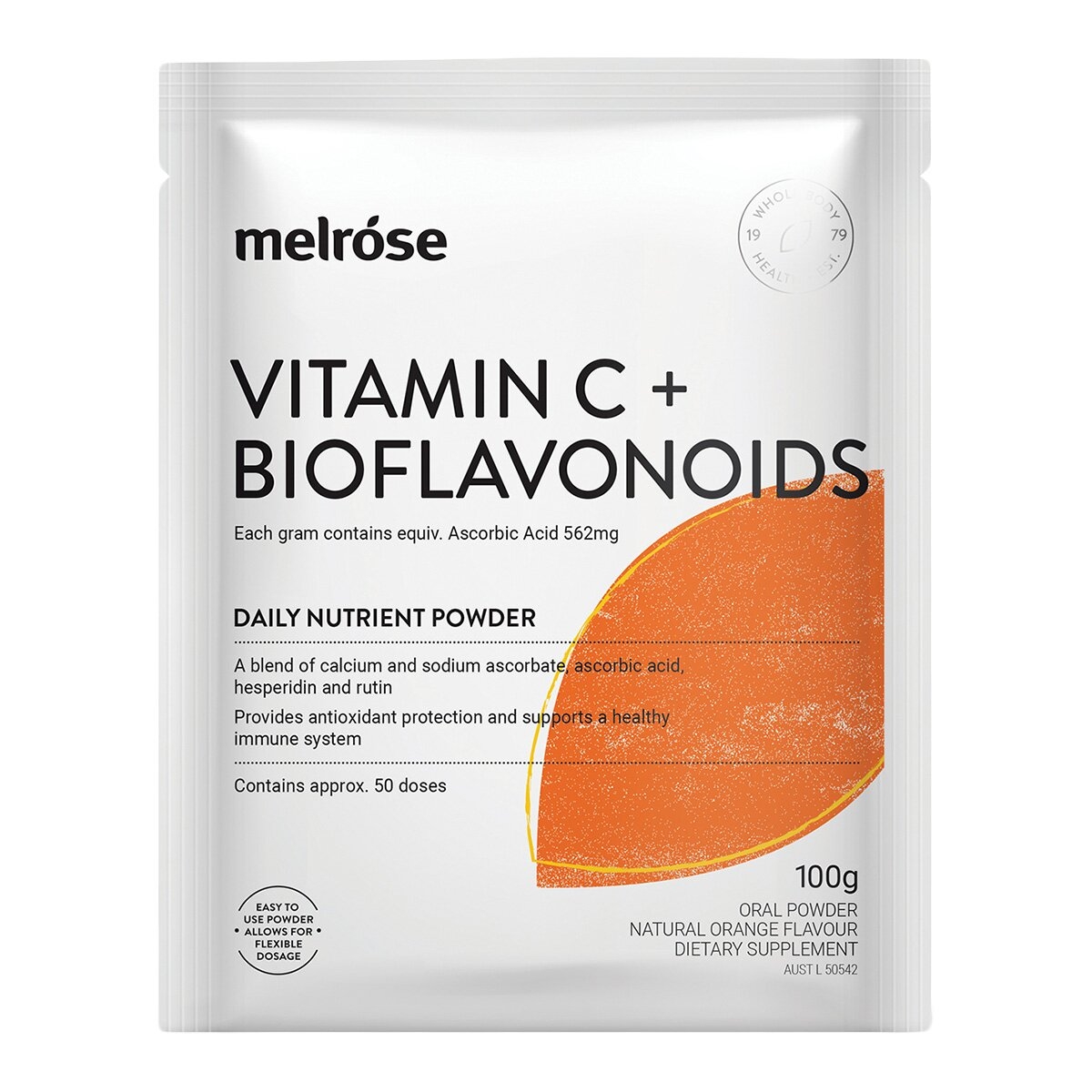
Bioflavonoids Plus C combines vitamin C with powerful citrus bioflavonoids to target lymphatic congestion, a condition where impaired lymph flow leads to fluid accumulation, inflammation, and compromised immune function. When the lymphatic system becomes congested, it struggles to clear waste products, toxins, and excess fluids, resulting in symptoms ranging from skin issues and swelling to chronic pain and slow wound healing.
Vitamin C (ascorbic acid) plays a fundamental role in lymphatic health as it is integral for T cell lymphocyte development and proliferation. Supporting T cell production enables more efficient cleansing activity of viruses, bacteria, and fungi from the lymphatic network [31]. Beyond immune support, ascorbic acid enhances phagocytosis processes—the mechanism by which immune cells engulf and remove foreign particles, microorganisms, and dead or dying cells, thereby improving the cleansing activity of the lymphatics [31]. This support is particularly important for working against lymphatic infections, which drive swollen and enlarged lymph nodes that subsequently impair lymphatic flow, while also supporting the prevention of skin eruptions and maintenance of clear skin.
Hesperidin, a key citrus bioflavonoid in this formula, has demonstrated remarkable effects on lymphatic drainage and immune function. Studies show that intravenous administration of 90% Diosmin and 10% Hesperidin increases lymphatic flow by 191% [32]. Furthermore, hesperidin supplementation has been shown to increase the relative proportion of TCRαβ lymphocytes within the lymph nodes—immune cells responsible for initiating responses against infections, tumors, and other abnormal cells [33]. This enhanced immune surveillance reduces lymphatic infections, subsequently reducing swelling of the lymph nodes to support lymph transfer and drainage while improving skin health and decreasing outbreaks and rashes.
Rutin, another powerful bioflavonoid in the formula, belongs to the gamma-benzopyrone family of compounds that exert anti-exuding and membrane stabilizing effects on the lymphatic system [34]. These compounds help prevent the leakage of lymphatic fluid into surrounding tissues, which is a common inflammatory response of the lymphatic system. By stabilizing the lymphatic network, rutin prevents tissue fluid retention and swelling while supporting the cleansing activity of the lymphatic system—particularly important for cases involving swollen tissues and skin pitting [34]. Clinical research has demonstrated the effectiveness of rutin in lymphatic support, with one study showing that 6-month supplementation of rutin alongside other compounds caused a disappearance in 72% of lymphedema pitting cases and an average reduction of 4.2cm in limb circumference [35].
The calcium and sodium ascorbate forms of vitamin C provide enhanced bioavailability and gentler absorption compared to ascorbic acid alone, ensuring optimal delivery of this critical lymphatic-supporting nutrient while minimizing potential digestive irritation that can occur with higher doses of pure ascorbic acid.
Ingredients
Total Vitamin C
1.124 g
Ascorbic acid
500 mg
Calcium ascorbate
equiv. Ascorbic acid
500 mg
448 mg
Sodium ascorbate
equiv. Ascorbic acid
200 mg
176 mg
Citrus bioflavonoids extract (Hesperidin)
280 mg
Rutin (Rutoside)
28 mg
Instructions
Instructions
Dosage
Adults: ½ teaspoon (2 g) daily in a glass of water or juice, stir until dissolved
Duration
Long-term lymphatic support
Warnings
Not to be used in children under 2 years of age without medical advice
Always read the label
Dietary supplements should not replace a balanced diet
If symptoms persist, worsen or change unexpectedly, consult your healthcare professional
Contraindications
Contraindications
This supplement may interact with the following categories of medications, as well as specific active ingredients.
• Diltiazem
• Medications for high blood pressure
• Medications moved by pumps in cells - refer list
• Medications that slow blood clotting
• Sedative medications
• Verapamil
• Estrogens
• Fluphenazine
• Indinavir
• Levothyroxine
• Medications for cancer
• Warfarin
• Choline Magnesium Trisalicylate
• Salsalate
• Aspirin
Further details are provided below.
Please note that medications may be sold under different brand names, so check the listed active ingredients against your medication packaging.
Major Interactions
Moderate Interactions
Diltiazem
• Cardizem, others
Hesperidin may reduce how much diltiazem the body absorbs. This might decrease the effects of diltiazem.
Medications for high blood pressure
• Amlodipine
• Ramipril
• Perindopril
• Metoprolol
• Losartan
• Hydrochlorothiazide
Hesperidin might lower blood pressure. Taking hesperidin along with medications that lower blood pressure might cause blood pressure to go too low. Monitor your blood pressure closely.
Medications moved by pumps in cells
• P-glycoprotein substrates
Some medications are moved in and out of cells by pumps. Hesperidin might change how these pumps work and change how much medication stays in the body. In some cases, this might change the effects and side effects of a medication.
Medications that slow blood clotting
• Heparin
• Rivaroxaban
• Apixaban
• Dabigatran
• Clopidogrel
Hesperidin might slow blood clotting. Taking hesperidin along with medications that also slow blood clotting might increase the risk of bruising and bleeding and others.
Sedative medications
• Diazepam
• Alprazolam
• Temazepam
• Zolpidem
• Zopiclone
• Promethazine
Hesperidin might cause sleepiness and slowed breathing. Some medications, called sedatives, can also cause sleepiness and slowed breathing. Taking hesperidin with sedative medications might cause breathing problems and/or too much sleepiness.
Verapamil
• Calan, others
Hesperidin may increase how much verapamil the body absorbs. This might increase the effects and side effects of verapamil.
Aluminum
Aluminum is found in most antacids. Vitamin C can increase how much aluminum the body absorbs. However, it is not clear if this interaction is a big concern. Take vitamin C two hours before or four hours after antacids.
Estrogens
• Oral contraceptive pill
• Estradiol
• Conjugated estrogens
• HRT combination products
Vitamin C might decrease how quickly the body gets rid of estrogens. Taking vitamin C along with estrogens might increase the effects and side effects of estrogens.
Fluphenazine
• Prolixin
Large amounts of vitamin C might decrease how much fluphenazine is in the body. Taking vitamin C along with fluphenazine might decrease the effectiveness of fluphenazine.
Indinavir
• Crixivan
Taking large amounts of vitamin C along with indinavir might decrease how much indinavir stays in the body. It's not clear if this interaction is a big concern.
Levothyroxine
• Synthroid, others
Taking vitamin C along with levothyroxine might increase how much levothyroxine the body absorbs. This can increase the amount of levothyroxine in the body and increase its effects and side effects.
Medications for cancer
• Cyclophosphamide
• Chlorambucil
• Melphalan
• Busulfan
• Temozolomide
Vitamin C is an antioxidant. There is some concern that antioxidants might decrease the effects of some medications used for cancer. If you are taking medications for cancer, check with your healthcare provider before taking vitamin C.
• Doxorubicin
• Bleomycin
• Daunorubicin
• Mitomycin
• Epirubicin
Vitamin C is an antioxidant. There is some concern that antioxidants might decrease the effects of medications used for cancer. If you are taking medications for cancer, check with your healthcare provider before taking vitamin C.
Niacin
Taking niacin with vitamin C and other antioxidants can decrease the effects of niacin on good cholesterol levels. It is unknown if vitamin C alone decreases the effects of niacin on good cholesterol levels.
• Jantoven
• Used for: blood thinning, clot prevention
Warfarin is used to slow blood clotting. Large amounts of vitamin C might decrease the effects of warfarin. Decreasing the effects of warfarin might increase the risk of clotting. Be sure to have your blood checked regularly. The dose of your warfarin might need to be changed.
Minor Interactions
Aspirin
Aspirin is removed by the body through the kidneys and in the urine. Vitamin C might decrease how the body removes aspirin and could potentially increase the amount of aspirin in the body. But it's not clear if this is a big concern.
Choline Magnesium Trisalicylate
• Trilisate
Vitamin C might decrease how quickly the body gets rid of choline magnesium trisalicylate. It is not clear if this interaction is a big concern.
Salsalate
• Disalcid
Vitamin C might decrease how quickly the body gets rid of salsalate. Taking vitamin C along with salsalate might cause too much salsalate in the body, and increase the effects and side effects of salsalate.
$7.54
Members Save
• Increases lymphatic flow by 191% through hesperidin's proven drainage-enhancing effects
• Enhances immune cell function with vitamin C supporting T cell development and lymphocyte proliferation for better pathogen clearance
• Reduces lymphedema symptoms with rutin showing 72% improvement in pitting cases and 4.2cm reduction in limb circumference