
Clinical Benefits
Clinical Benefits
UltraFlora Sensitive Skin Postbiotic combines clinically-researched probiotics with targeted nutrients to address eczema through comprehensive immune regulation and skin barrier support. This specialized formulation leverages the documented gut-skin axis to provide both internal immune modulation and external skin health benefits.
The cornerstone probiotic strain, Lactobacillus acidophilus L-92, works as a heat-killed probiotic with well-documented immunomodulatory effects specifically for allergic skin conditions. L-92 shifts immune activity away from exaggerated Th2-IgE-driven responses toward more regulated, tolerogenic profiles by reducing allergen-specific IgE production and downregulating Th2 cytokines (IL-4, IL-5, IL-13). It also lowers thymus and activation-regulated chemokine (TARC), a key signal driving allergic inflammation and recruiting inflammatory cells into skin tissue [20]. Clinical research demonstrates that in a 6-month placebo-controlled trial with infants and toddlers with eczema and food allergies, only the L-92 group achieved statistically significant reductions in severity scores compared to baseline, with meaningful biomarker improvements including significant reductions in TARC and total IgE relative to placebo [20].
The formulation's complementary probiotic support comes from documented strains that enhance immune regulation and barrier function. Research shows that specific Lactobacillus strains can help rebalance Th17-mediated inflammation, which are major drivers of eczema symptoms. When over-activated, Th17 cells release inflammatory cytokines such as IL-17 and IL-22, increasing skin redness, worsening itching, and weakening the skin barrier by disrupting keratinocyte function. Clinical studies demonstrate that targeted probiotics can reduce excessive Th17 activity while promoting regulatory anti-inflammatory pathways, contributing to reduced flare-ups, less itching, and improved eczema control.
The inclusion of key nutrients provides additional skin-specific support mechanisms. Nicotinamide (Vitamin B3) supports skin barrier function and has anti-inflammatory properties that complement the probiotic effects. Pyridoxal 5-phosphate (P5P), the active form of Vitamin B6, plays crucial roles in immune system regulation and neurotransmitter synthesis. Cholecalciferol (Vitamin D3) supports immune system modulation and has documented benefits for inflammatory skin conditions. Ascorbic acid (Vitamin C) provides antioxidant protection and supports collagen synthesis for healthy skin structure, while d-alpha-Tocopheryl acid succinate (Vitamin E) offers additional antioxidant protection against oxidative stress that can worsen eczema symptoms.
The formulation also incorporates botanical extracts including Citrus paradisi (Grapefruit) and Rosmarinus officinalis (Rosemary), which provide natural antioxidant and anti-inflammatory compounds. Zinc amino acid chelate supports immune function and wound healing, which is particularly relevant for eczema management where skin barrier integrity is compromised. This comprehensive approach addresses both the underlying immune dysregulation and the external manifestations of sensitive skin conditions.
Ingredients
Citrus paradisi (Grapefruit) ext.
ext. equiv. fresh (fruit)
32.5 mg
1.6 g
Rosmarinus officinalis (Rosemary) ext.
ext. equiv. fresh (leaf)
32.5 mg
650 mg
Lactobacillus acidophilus (L-92™)
21 mg
Nicotinamide (Vitamin B3)
Pyridoxal 5-phosphate monohydrate (P5P)
16 mg
2 mg
equiv. Pyridoxine
Cholecalciferol (Vitamin D3)
1.28 mg
12.5 μg
equiv. Vitamin D3
500 IU
Ascorbic acid (Vitamin C)
125 mg
Zinc amino acid chelate
equiv. Zinc
38 mg
7.5 mg
d-alpha-Tocopheryl acid succinate (Vitamin E)
equiv. Vitamin E
8.6 mg
7 mg
Instructions
Instructions
Dosage
2 capsules daily with meals
Duration
8 weeks
Warnings
Contains sucrose
Always read the label
Dietary supplements should not replace a balanced diet
If symptoms persist, worsen or change unexpectedly, consult your healthcare professional
Contains vitamin B6; stop taking this medication if you experience tingling, burning or numbness and see your healthcare practitioner as soon as possible
Contains zinc which may be dangerous if taken in large amounts or for a long period
Contraindications
Contraindications
This supplement may interact with the following categories of medications, as well as specific active ingredients.
• Allopurinol
• Gemfibrozil
• Medications for diabetes
• Medications for high blood pressure
• Medications that can harm the liver
• Medications that slow blood clotting
• Medications used for lowering cholesterol
• Nicotine patch
• Probenecid
• Sulfinpyrazone
• Warfarin
• Estrogens
• Fluphenazine
• Indinavir
• Levothyroxine
• Medications for cancer
• Choline Magnesium Trisalicylate
• Salsalate
• Aspirin
• Atorvastatin
• Calcipotriene
• Digoxin
• Diltiazem
• Verapamil
• Diuretics
• Medications changed by the liver - refer list
• Cyclosporine
• Selumetinib
• Antibiotics
• Bictegravir/emtricitabine/tenofovir alafenamide
• Cephalexin
• Cisplatin
• Medications for HIV/AIDS
• Penicillamine
• Ritonavir
• Atazanavir
• Amiodarone
• Artemether
• Buspirone
• Carbamazepine
• Carvedilol
• Celiprolol
• Cisapride
• Clomipramine
• Clopidogrel
• Dextromethorphan
• Etoposide
• Medications moved by pumps in cells - refer list - refer list
• Medications that can cause an irregular heartbeat
• Methadone
• Praziquantel
• Quetiapine
• Scopolamine
• Sedative medications
• Sildenafil
• Tacrolimus
• Terfenadine
• Ticagrelor
• Aliskiren
• Budesonide
• Empagliflozin
• Fexofenadine
• Fluvoxamine
• Itraconazole
• Losartan
• Nadolol
• Nilotinib
• Oxycodone
• Pitavastatin
• Prasugrel
• Rivaroxaban
• Saquinavir
• Sertraline
• Sunitinib
• Tadalafil
• Talinolol
• Tolvaptan
• Amprenavir
Further details are provided below.
Please note that medications may be sold under different brand names, so check the listed active ingredients against your medication packaging.
Major Interactions
Grapefruit juice can increase how much amiodarone the body absorbs. Drinking grapefruit juice might increase the effects and side effects of amiodarone. Avoid drinking grapefruit juice if you are taking amiodarone.
Artemether
• Artenam, Paluther
Grapefruit juice can decrease how quickly the body breaks down artemether. Drinking grapefruit juice while taking artemether might increase the effects and side effects of artemether. Do not drink grapefruit juice if you are taking artemether.
Buspirone
• BuSpar
Grapefruit juice might increase how much buspirone the body absorbs. Drinking grapefruit juice while taking buspirone might increase the effects and side effects of buspirone.
Carbamazepine
Grapefruit juice might increase how much carbamazepine the body absorbs. Drinking grapefruit juice while taking carbamazepine might increase the effects and side effects of carbamazepine.
Carvedilol
Grapefruit juice seems to decrease how quickly the body breaks down carvedilol. Drinking grapefruit juice while taking carvedilol might increase the effects and side effects of carvedilol.
Celiprolol
• Celicard
Grapefruit appears to decrease how much celiprolol is absorbed by the body. This might decrease the effects of celiprolol. Separate administration of celiprolol and consumption of grapefruit by at least 4 hours.
Cisapride
• Propulsid
Grapefruit juice might decrease how quickly the body gets rid of cisapride. Drinking grapefruit juice while taking cisapride might increase the effects and side effects of cisapride.
Clomipramine
• Anafranil
Grapefruit juice might decrease how quickly the body gets rid of clomipramine. Taking grapefruit juice along with clomipramine might increase the effects and side effects of clomipramine.
Clopidogrel
Clopidogrel needs to be activated by the body to work. Grapefruit appears to decrease how much clopidogrel is activated by the body. This might reduce the effects of clopidogrel.
Cyclosporine
• Restasis
• Used for: organ transplant, autoimmune conditions
Grapefruit might increase how much cyclosporine the body absorbs. Drinking grapefruit juice while taking cyclosporine might increase the side effects of cyclosporine.
Dextromethorphan
• Robitussin DM, and others
Grapefruit might decrease how quickly the body gets rid of dextromethorphan. Drinking grapefruit juice while taking dextromethorphan might increase the effects and side effects of dextromethorphan.
Estrogens
• Oral contraceptive pill
• Estradiol
• Conjugated estrogens
• HRT combination products
Grapefruit seems to decrease how quickly the body breaks down estrogens and increase how much estrogen the body absorbs. Eating grapefruit or drinking grapefruit juice while taking estrogens might increase estrogen levels and side effects associated with estrogen.
Etoposide
• VePesid
Grapefruit might decrease how much etoposide the body absorbs. Drinking grapefruit juice while taking etoposide might decrease the effects of etoposide. Separate taking this medication from consuming grapefruit by at least 4 hours.
Halofantrine
Grapefruit juice seems to decrease how quickly the body breaks down halofantrine. Drinking grapefruit juice while taking halofantrine might increase halofantrine levels and side effects associated with halofantrine, including abnormal heartbeat.
Medications changed by the liver
• Atorvastatin
• Simvastatin
• Amlodipine
• Diltiazem
• Cyclosporine
• Tacrolimus
• Midazolam
• Alprazolam
• Rivaroxaban
• Some HIV antiretrovirals
Some medications are changed and broken down by the liver. Grapefruit might change how quickly the liver breaks down these medications. If you are taking medications metabolised by the liver, monitor for any changes in how your medication affects you.
Medications for high blood pressure
• Amlodipine
• Diltiazem
• Verapamil
• Felodipine
• Nifedipine
Grapefruit juice might increase how much medication for high blood pressure the body absorbs. Drinking grapefruit juice while taking some medications for high blood pressure might cause your blood pressure to go too low.
Medications moved by pumps in cells
• Organic anion-transporting polypeptide substrates
Some medications are moved in and out of cells by pumps. Grapefruit might change how these pumps work and change how much medication stays in the body. In some cases, this might change the effects and side effects of a medication.
Medications that can cause an irregular heartbeat
• QT interval-prolonging drugs
Grapefruit might affect electrical currents in the heart. This can increase the risk of having an irregular heartbeat. Some medications can have this same effect. Taking grapefruit with these medications might increase the risk for a serious heart issue.
Medications used for lowering cholesterol
• Atorvastatin
• Rosuvastatin
• Simvastatin
• Pravastatin
• Fluvastatin
Grapefruit juice might decrease how quickly the body breaks down some "statin" medications. Drinking grapefruit juice while taking certain "statins" might increase the effects and side effects of these medications.
Methadone
• Dolophine
Grapefruit juice can decrease how quickly the body breaks down methadone. Drinking grapefruit juice while taking methadone can increase the effects and side effects of methadone.
Methylprednisolone
Grapefruit juice can decrease how quickly the body gets rid of methylprednisolone. Drinking grapefruit juice while taking methylprednisolone might increase the effects and side effects of methylprednisolone.
Praziquantel
• Biltricide
Grapefruit juice can decrease how quickly the body breaks down praziquantel. Drinking grapefruit juice while taking praziquantel might increase the effects and side effects of praziquantel.
Quetiapine
Grapefruit juice might decrease how fast the body gets rid of quetiapine. Drinking grapefruit juice while taking quetiapine might increase the chance of side effects from quetiapine.
Quinidine
Grapefruit juice might decrease how fast the body gets rid of quinidine. Drinking grapefruit juice while taking quinidine might increase the chance of side effects from quinidine.
Scopolamine
• Transderm Scop
Grapefruit juice can decrease how fast the body breaks down scopolamine. Drinking grapefruit juice while taking scopolamine might increase the effects and side effects of scopolamine.
Sedative medications
• Diazepam
• Alprazolam
• Temazepam
• Zolpidem
• Zopiclone
• Promethazine
Sedative medications can cause sleepiness and drowsiness. Drinking grapefruit juice while taking some sedative medications can increase the effects and side effects of some sedative medications.
Sildenafil
Grapefruit can decrease how quickly the body breaks down sildenafil. Drinking grapefruit juice while taking sildenafil can increase the effects and side effects of sildenafil.
Tacrolimus
• Astagraf
• Used for: organ transplant anti-rejection
Grapefruit can decrease how quickly the body breaks down tacrolimus. Eating grapefruit or drinking grapefruit juice while taking tacrolimus can increase the effects and side effects of tacrolimus. Avoid eating grapefruit or drinking grapefruit juice if you are taking tacrolimus.
Terfenadine
• Seldane
Grapefruit can increase how much terfenadine the body absorbs. Drinking grapefruit juice while taking terfenadine might increase the effects and side effects of terfenadine.
Ticagrelor
Grapefruit can decrease how quickly the body breaks down ticagrelor. Drinking grapefruit juice while taking ticagrelor can increase the effects and side effects of ticagrelor.
Moderate Interactions
Allopurinol is used to treat gout. Taking large doses of niacin might worsen gout and decrease the effects of allopurinol.
Gemfibrozil
• Lopid
Taking niacin along with gemfibrozil might increase the risk for muscle damage in some people. Use with caution.
Medications for diabetes
• Glyburide
• Glipizide
• Insulin
• Sitagliptin
• Empagliflozin
• Semaglutide
• Dapagliflozin
High doses of niacin might increase blood sugar levels. Taking niacin along with diabetes medications might reduce the effects of these medications. Monitor your blood sugar closely.
Medications for high blood pressure
• Amlodipine
• Ramipril
• Perindopril
• Metoprolol
• Losartan
• Hydrochlorothiazide
Niacin might lower blood pressure. Taking niacin along with medications that lower blood pressure might cause blood pressure to go too low. Monitor your blood pressure closely.
Medications that can harm the liver
• Acetaminophen / Paracetamol
• Methotrexate
• Atorvastatin
• Simvastatin
• Isoniazid
Niacin might harm the liver. Some medications can also harm the liver. Taking niacin along with a medication that can harm the liver might increase the risk of liver damage.
Medications that slow blood clotting
• Heparin
• Rivaroxaban
• Apixaban
• Dabigatran
• Clopidogrel
Niacin might slow blood clotting. Taking niacin along with medications that also slow blood clotting might increase the risk of bruising and bleeding.
Medications used for lowering cholesterol
• Bile acid sequestrants
Some medications called bile acid sequestrants can decrease how much niacin the body absorbs. This might reduce the effects of niacin. Take niacin and these medications at least 4-6 hours apart.
• Atorvastatin
• Rosuvastatin
• Simvastatin
• Pravastatin
• Fluvastatin
Taking niacin along with statins might increase the risk for muscle damage in some people. Use with caution.
Nicotine patch
• Nicoderm
Niacin can sometimes cause flushing and dizziness. Nicotine patches can also cause flushing and dizziness. Taking niacin and using a nicotine patch may increase the risk of flushing and dizziness.
Probenecid
• Benemid
Probenecid is used to treat gout. Taking large doses of niacin might worsen gout and decrease the effects of probenecid.
Sulfinpyrazone
• Anturane
Sulfinpyrazone is used to treat gout. Taking large doses of niacin might worsen gout and decrease the effects of sulfinpyrazone.
Thyroid hormone
The body naturally produces thyroid hormones. Niacin might decrease thyroid hormone levels. Taking niacin with thyroid hormone pills might decrease the effects of thyroid hormone.
• Jantoven
• Used for: blood thinning, clot prevention
Niacin might increase the blood thinning effects of warfarin and potentially increase the chance of bleeding. Your healthcare provider may need to monitor you more often if you take niacin along with warfarin. The dose of your warfarin medication may need to be changed.
Aluminum
Aluminum is found in most antacids. Vitamin C can increase how much aluminum the body absorbs. However, it is not clear if this interaction is a big concern. Take vitamin C two hours before or four hours after antacids.
Estrogens
• Oral contraceptive pill
• Estradiol
• Conjugated estrogens
• HRT combination products
Vitamin C might decrease how quickly the body gets rid of estrogens. Taking vitamin C along with estrogens might increase the effects and side effects of estrogens.
Fluphenazine
• Prolixin
Large amounts of vitamin C might decrease how much fluphenazine is in the body. Taking vitamin C along with fluphenazine might decrease the effectiveness of fluphenazine.
Indinavir
• Crixivan
Taking large amounts of vitamin C along with indinavir might decrease how much indinavir stays in the body. It's not clear if this interaction is a big concern.
Levothyroxine
• Synthroid, others
Taking vitamin C along with levothyroxine might increase how much levothyroxine the body absorbs. This can increase the amount of levothyroxine in the body and increase its effects and side effects.
Medications for cancer
• Cyclophosphamide
• Chlorambucil
• Melphalan
• Busulfan
• Temozolomide
Vitamin C is an antioxidant. There is some concern that antioxidants might decrease the effects of some medications used for cancer. If you are taking medications for cancer, check with your healthcare provider before taking vitamin C.
• Doxorubicin
• Bleomycin
• Daunorubicin
• Mitomycin
• Epirubicin
Vitamin C is an antioxidant. There is some concern that antioxidants might decrease the effects of medications used for cancer. If you are taking medications for cancer, check with your healthcare provider before taking vitamin C.
Niacin
Taking niacin with vitamin C and other antioxidants can decrease the effects of niacin on good cholesterol levels. It is unknown if vitamin C alone decreases the effects of niacin on good cholesterol levels.
Warfarin is used to slow blood clotting. Large amounts of vitamin C might decrease the effects of warfarin. Decreasing the effects of warfarin might increase the risk of clotting. Be sure to have your blood checked regularly. The dose of your warfarin might need to be changed.
Atorvastatin
Vitamin D might decrease how much atorvastatin the body absorbs. Taking vitamin D with atorvastatin might decrease the effects of atorvastatin.
Calcipotriene
• Dovonex
Taking vitamin D along with calcipotriene might increase the effects and side effects of calcipotriene.
• Used for: heart failure, atrial fibrillation
Taking vitamin D along with digoxin might increase the effects and side effects of digoxin. If you are taking digoxin, talk to your doctor before taking vitamin D supplements.
Diltiazem
• Cardizem, others
Vitamin D helps your body absorb calcium. Calcium can affect the heart. Diltiazem can also affect the heart. Taking large amounts of vitamin D along with diltiazem might decrease the effects of diltiazem.
Verapamil
• Calan, others
Vitamin D helps the body absorb calcium. Calcium can affect the heart. Verapamil can also affect the heart. Do not take large amounts of vitamin D if you are taking verapamil.
Diuretics
• Thiazide diuretics
Vitamin D helps the body absorb calcium. Some "Diuretics" increase the amount of calcium in the body. Taking large amounts of vitamin D along with some "Diuretics" might cause too much calcium in the body. This could cause serious side effects, including kidney problems.
Cyclosporine
• Restasis
• Used for: organ transplant, autoimmune conditions
Taking large amounts of vitamin E along with cyclosporine might increase how much cyclosporine the body absorbs. This might increase the effects and side effects of cyclosporine.
Medications changed by the liver
• Atorvastatin
• Simvastatin
• Amlodipine
• Diltiazem
• Cyclosporine
• Tacrolimus
• Midazolam
• Alprazolam
• Rivaroxaban
• Some HIV antiretrovirals
Some medications are changed and broken down by the liver. Vitamin E might change how quickly the liver breaks down these medications. If you are taking medications metabolised by the liver, monitor for any changes in how your medication affects you.
Vitamin E is an antioxidant. There is some concern that antioxidants might decrease the effects of some medications used for cancer. If you are taking medications for cancer, check with your healthcare provider before taking vitamin E.
Vitamin E might slow blood clotting. Taking vitamin E along with medications that also slow blood clotting might increase the risk of bruising and bleeding.
Taking niacin along with the drug simvastatin can increase good cholesterol levels. Taking niacin plus simvastatin along with vitamin E and other antioxidants can decrease the effects of niacin and simvastatin on good cholesterol levels. It is unknown if vitamin E alone decreases the effects of niacin plus simvastatin on good cholesterol levels.
Selumetinib
• Koselugo
Selumetinib, a drug used for cancer, contains vitamin E. Taking selumetinib with vitamin E-containing supplements can result in an unsafe dose of vitamin E. This could increase the risk of bleeding.
Warfarin is used to slow blood clotting. Vitamin E can also slow blood clotting. Taking vitamin E along with warfarin can increase the chances of bruising and bleeding. Be sure to have your blood checked regularly. The dose of your warfarin might need to be changed.
Choline Magnesium Trisalicylate
• Trilisate
Rosemary contains chemicals that are similar to choline magnesium trisalicylate. Taking rosemary along with choline magnesium trisalicylate might increase the effects and side effects of choline magnesium trisalicylate.
Rosemary might lower blood sugar levels. Taking rosemary along with diabetes medications might cause blood sugar to drop too low. Monitor your blood sugar closely.
Rosemary might slow blood clotting. Taking rosemary along with medications that also slow blood clotting might increase the risk of bruising and bleeding.
Salsalate
• Disalcid
Salsalate is called a salicylate. Rosemary also contains a salicylate. Taking salsalate with rosemary might increase the risk for side effects from salicylates.
Antibiotics
• Doxycycline
• Ciprofloxacin
• Amoxicillin
• Azithromycin
• Norfloxacin
• Trimethoprim
Zinc might decrease how much antibiotic the body absorbs from the gut. Taking zinc along with quinolone antibiotics might decrease the effects of these antibiotics. To avoid this interaction, take antibiotics at least 2 hours before or 4-6 hours after zinc supplements.
Zinc can decrease the amount of tetracyclines the body absorbs. Taking zinc with tetracyclines might decrease the effects of tetracyclines. To avoid this interaction, take tetracyclines 2 hours before or 4-6 hours after taking zinc supplements.
Bictegravir/emtricitabine/tenofovir alafenamide
• Biktarvy
In theory, zinc might decrease how much bictegravir/emtricitabine/tenofovir alafenamide the body absorbs from the stomach. To avoid this interaction, take bictegravir/emtricitabine/tenofovir alafenamide at least 2 hours before or 6 hours after zinc containing products.
Cephalexin
• Keflex
Zinc can reduce how much cephalexin the body absorbs. This might decrease how well cephalexin works for treating infections. To avoid this interaction, take zinc 3 hours after taking cephalexin.
Cisplatin
• Platinol-AQ
Cisplatin is used to treat cancer. Taking zinc along with cisplatin might inactivate cisplatin therapy. But it's not clear if this is a big concern.
Medications for HIV/AIDS
• Integrase inhibitors
Taking zinc along with integrase inhibitors might decrease blood levels of integrase inhibitors. This might decrease the effects of these medications. Talk to your healthcare provider if you are using integrase inhibitors and want to start taking zinc.
Penicillamine
• Cuprimine, Depen
Zinc might decrease how much penicillamine the body absorbs. Taking zinc with penicillamine might decrease the effects of penicillamine. Take zinc and penicillamine at least 2 hours apart.
Ritonavir
• Norvir
Ritonavir is a drug used for HIV infection. Zinc can reduce how much ritonavir the body absorbs. But it isn't clear if this is a big concern.
Aliskiren
• Tekturna, Rasilez
Aliskiren is moved by pumps in cells in the body. Grapefruit might change how these pumps work, making this medication less effective. Separate taking this medication from consuming grapefruit by at least 4 hours.
Budesonide
• Entocort, UCERIS
Grapefruit might decease how quickly the body gets rid of budesonide. Drinking grapefruit while taking budesonide might increase the side effects of budesonide.
Caffeine
Grapefruit might decease how quickly the body gets rid of caffeine. Drinking grapefruit juice while taking caffeine might increase the side effects of caffeine including jitteriness, headache, and a fast heartbeat.
Grapefruit might decrease how quickly the body gets rid of colchicine. Taking grapefruit juice along with colchicine might increase the effects and side effects of colchicine.
Empagliflozin
Grapefruit might decrease how quickly the body breaks down empagliflozin. Drinking grapefruit juice while taking empagliflozin might increase the effects and side effects of empagliflozin.
Erythromycin
Grapefruit can decrease how quickly the body gets rid of erythromycin. Taking grapefruit juice along with erythromycin might increase the effects and side effects of erythromycin.
Fexofenadine
• Allegra
Grapefruit might decrease how much fexofenadine the body absorbs. Drinking grapefruit juice while taking fexofenadine might decrease the effects of fexofenadine. Separate taking this medication from consuming grapefruit by at least 4 hours.
Fluvoxamine
• Luvox
Grapefruit juice can increase how much fluvoxamine the body absorbs. Drinking grapefruit juice while taking fluvoxamine might increase the effects and side effects of fluvoxamine.
Itraconazole
• Sporanox
Grapefruit juice might change how much itraconazole the body absorbs. But there isn't enough information to know if this interaction is a major concern.
Levothyroxine
• Synthroid, others
Levothyroxine is moved by pumps in cells in the body. Grapefruit might change how these pumps work, making this medication less effective. Separate taking this medication from consuming grapefruit by at least 4 hours.
Losartan
• Cozaar
• Hyzaar
• Used for: high blood pressure, heart failure
The liver activates losartan to make it work. Grapefruit juice might decrease how quickly the body activates losartan. Drinking grapefruit juice while taking losartan might decrease the effects of losartan.
• Caffeine
• Clozapine
• Olanzapine
• Theophylline
• Tizanidine
• Duloxetine
• Ramelteon
Some medications are changed and broken down by the liver. Grapefruit might change how quickly the liver breaks down these medications. If you are taking medications metabolised by the liver, monitor for any changes in how your medication affects you.
• Omeprazole
• Esomeprazole
• Clopidogrel
• Diazepam
• Escitalopram
• Sertraline
• Glipizide
• Phenytoin
• Losartan
Nadolol
• Corgard
Nadolol is moved by pumps in cells in the body. Grapefruit might change how these pumps work. But it's not clear if this is a big concern. Until more is known, follow any instructions on the nadolol label related to intake of grapefruit.
Nilotinib
• Tasigna
Grapefruit juice can increase how much nilotinib the body absorbs. Drinking grapefruit juice while taking nilotinib might increase the effects and side effects of nilotinib.
Grapefruit juice can decrease how quickly the body breaks down oxycodone. Drinking grapefruit juice while taking oxycodone might increase the side effects of oxycodone.
Pitavastatin
Grapefruit juice might decrease how quickly the body breaks down pitavastatin. Drinking grapefruit juice while taking pitavastatin might increase the effects and side effects of pitavastatin.
Prasugrel
Prasugrel needs to be activated by the body to work. Grapefruit appears to decrease how much prasugrel is activated by the body. This might reduce the effects of prasugrel.
Primaquine
Grapefruit juice can increase how much primaquine is available in the body. But it's not clear if this is a big concern or what effects it might have.
Rivaroxaban
Grapefruit juice might decrease how quickly the body breaks down rivaroxaban. Drinking grapefruit juice while taking rivaroxaban might increase the effects and side effects of rivaroxaban.
Saquinavir
• Fortovase, Invirase
Drinking grapefruit juice can increase how much saquinavir the body absorbs. Drinking grapefruit juice while taking saquinavir might increase the effects and side effects of saquinavir.
Sertraline
Grapefruit can decrease how quickly the body breaks down sertraline. Drinking grapefruit juice while taking sertraline can increase the effects and side effects of sertraline.
Sunitinib
• Sutent
Grapefruit might decrease how quickly the body breaks down sunitinib. Drinking grapefruit juice while taking sunitinib might increase the effects and side effects of sunitinib. Until more is known, follow any instructions on the sunitinib label related to intake of grapefruit.
Tadalafil
Grapefruit juice might decrease how quickly the body breaks down tadalafil. Drinking grapefruit juice while taking tadalafil might increase the effects and side effects of tadalafil.
Talinolol
• Cordanum
• Used for: angina, heart conditions
Grapefruit juice can reduce how much talinolol is available in the body. Drinking grapefruit juice with talinolol might reduce the effects of talinolol.
Theophylline
Drinking grapefruit juice might decrease the effects of theophylline. There's not enough information to know if this is a big concern.
Tolvaptan
• Samsca
Grapefruit can decrease how quickly the body breaks down tolvaptan. Drinking grapefruit juice while taking tolvaptan can increase the effects and side effects of tolvaptan.
Warfarin is used to slow blood clotting. Drinking grapefruit juice might increase the effects of warfarin and increase the chances of bruising and bleeding. Be sure to have your blood checked regularly. The dose of your warfarin might need to be changed.
Minor Interactions
Aspirin
Aspirin is removed by the body through the kidneys and in the urine. Vitamin C might decrease how the body removes aspirin and could potentially increase the amount of aspirin in the body. But it's not clear if this is a big concern.
Choline Magnesium Trisalicylate
• Trilisate
Vitamin C might decrease how quickly the body gets rid of choline magnesium trisalicylate. It is not clear if this interaction is a big concern.
Salsalate
• Disalcid
Vitamin C might decrease how quickly the body gets rid of salsalate. Taking vitamin C along with salsalate might cause too much salsalate in the body, and increase the effects and side effects of salsalate.
Medications changed by the liver
• Atorvastatin
• Simvastatin
• Amlodipine
• Diltiazem
• Cyclosporine
• Tacrolimus
• Midazolam
• Alprazolam
• Rivaroxaban
• Some HIV antiretrovirals
Some medications are changed and broken down by the liver. Vitamin D might change how quickly the liver breaks down these medications. If you are taking medications metabolised by the liver, monitor for any changes in how your medication affects you.
• Caffeine
• Clozapine
• Olanzapine
• Theophylline
• Tizanidine
• Duloxetine
• Ramelteon
Some medications are changed and broken down by the liver. Rosemary might change how quickly the liver breaks down these medications. If you are taking medications metabolised by the liver, monitor for any changes in how your medication affects you.
Atazanavir
• Reyataz
Atazanavir is a drug used for HIV infection. Zinc decreases how much atazanavir the body absorbs. But the body still absorbs enough atazanavir for it to work for treating HIV. So this interaction is probably not a big concern.
Amprenavir
• Agenerase
Grapefruit might slightly decrease how much amprenavir is absorbed by the body. But this interaction is probably not a major concern.
Medications moved by pumps in cells
• P-glycoprotein substrates
Some medications are moved in and out of cells by pumps. Grapefruit might change how these pumps work and change how much medication stays in the body. In some cases, this might change the effects and side effects of a medication.
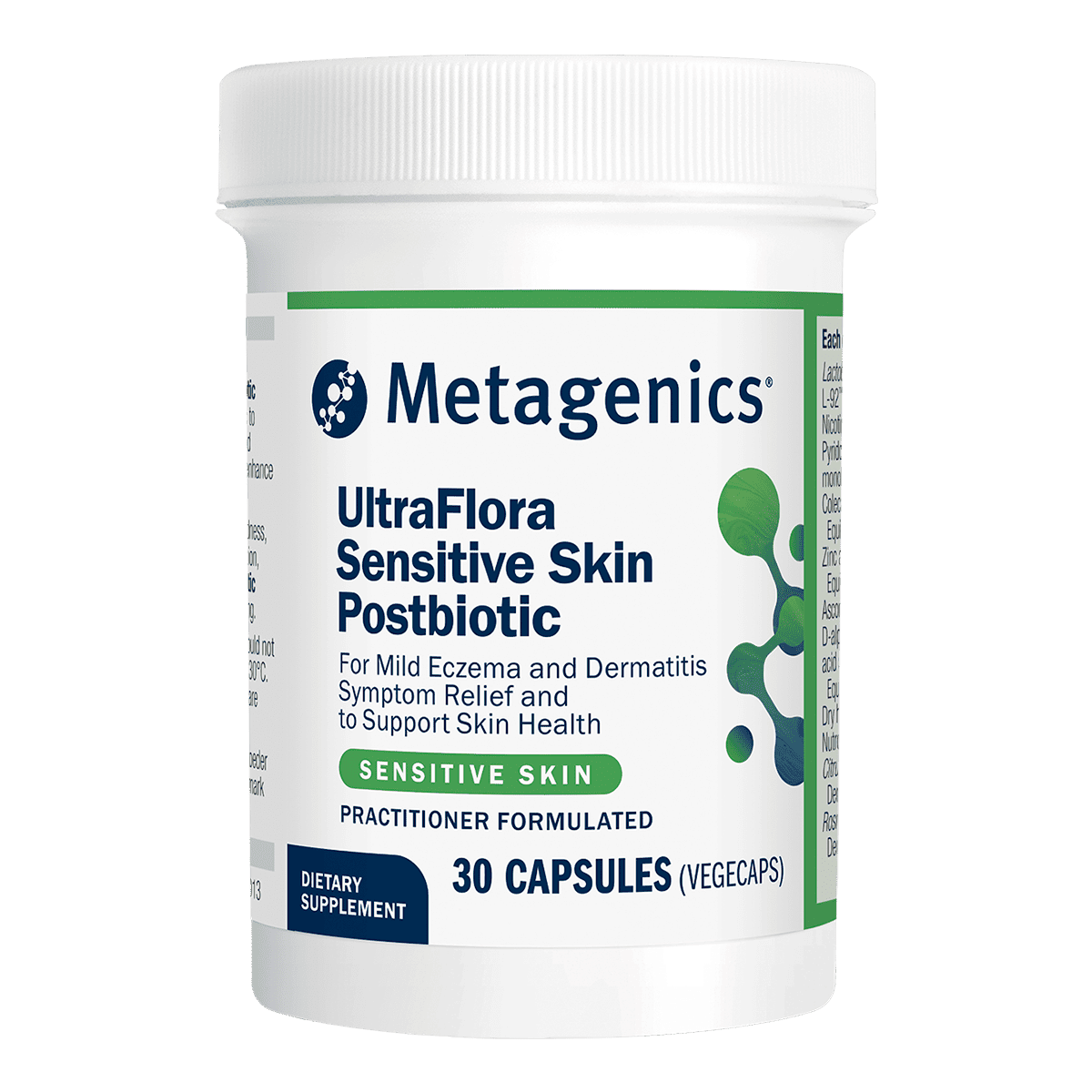
$15.20
Members Save
• L-92 probiotic strain achieved statistically significant eczema severity reductions in clinical trials with infants and toddlers
• Reduces key inflammatory markers including TARC and total IgE that drive allergic skin inflammation
• Shifts immune response away from Th2-driven allergic reactions toward regulated, tolerogenic profiles