
Clinical Benefits
Clinical Benefits
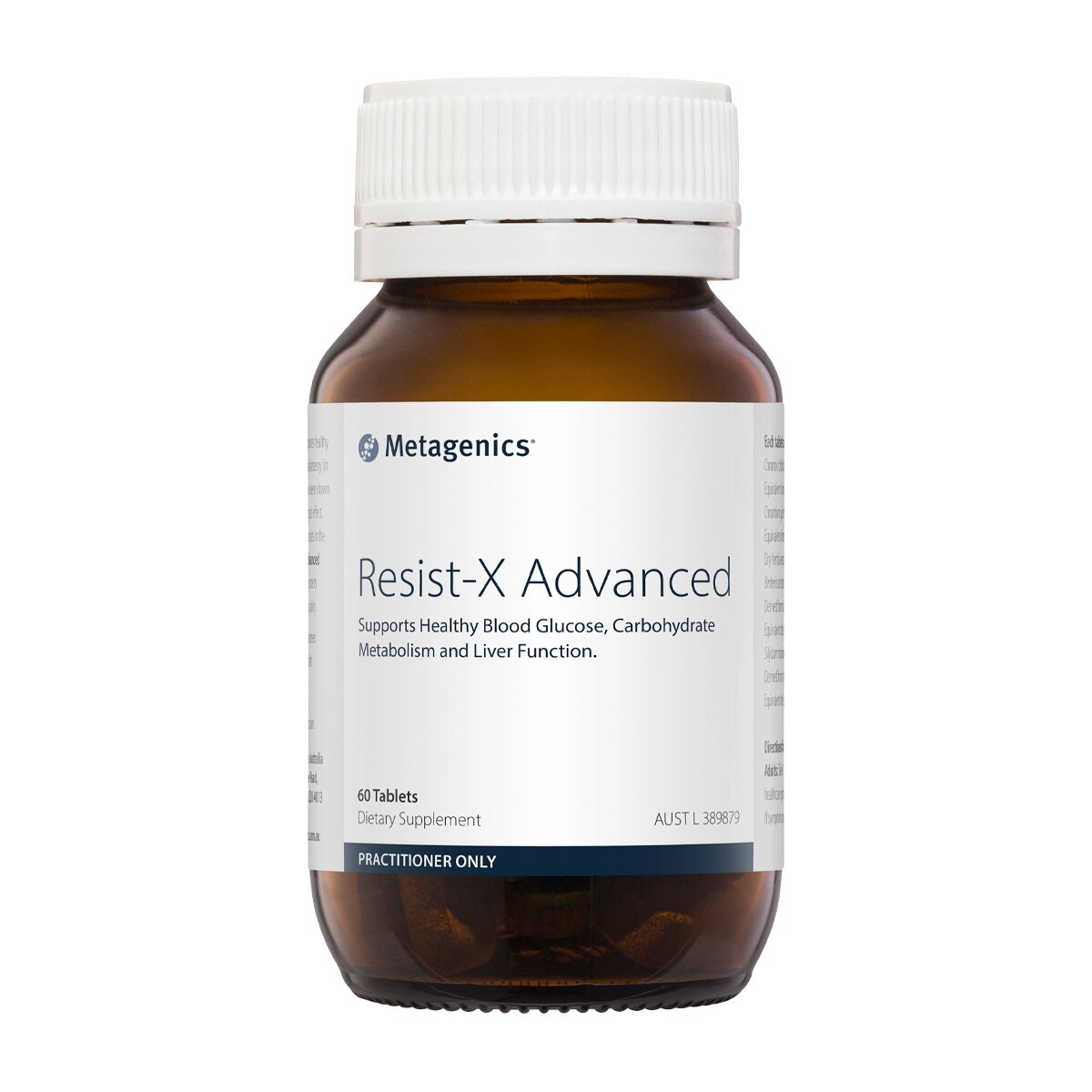
Resist X Advanced targets impaired glucose tolerance through a scientifically-backed combination of nutrients and herbal extracts that address the underlying mechanisms of poor blood sugar regulation. Impaired Glucose Tolerance (IGT) affects approximately 7.5% of the global population and represents a critical metabolic state where blood sugar levels rise higher than normal after eating due to reduced cellular sensitivity to insulin.
Chromium represents one of the most clinically validated nutrients for glucose regulation, with scientists proposing that chromium binds to an oligopeptide to form chromodulin, a substance that binds to and activates the insulin receptor to promote insulin action [42]. In a randomised clinical trial, patients administered 400 mcg per day of chromium picolinate for 12 weeks showed a significant reduction in both fasting and post-meal serum glucose, while the placebo group experienced worsening of these parameters [17]. Another study carried out over 4 months found that participants receiving 1,000 mcg/day chromium had significantly lower fasting serum glucose concentrations than those receiving placebo, with mean fasting serum glucose levels of 7.1 mmol/L in the chromium group versus 8.8 mmol/L in the placebo group [43].
Berberine, derived from Berberis aristata (Indian barberry), demonstrates outstanding blood sugar support through multiple mechanisms. This compound enhances insulin secretion exclusively in high blood sugar states, indicating its ability to balance blood sugar with a low risk of triggering hypoglycaemia. Uniquely, berberine blocks outgoing potassium elimination channels within pancreatic beta-cells, leading to an influx of intracellular calcium and thereby stimulating greater insulin secretion. In clinical studies, berberine has been found to be as clinically effective as the pharmaceutical Metformin. In a study of 36 adults with newly diagnosed type 2 diabetes taking 500mg three times daily for 3 months, berberine matched metformin's significant decrease in HbA1c from 9.5% to 7.5%, and a decline in post-food blood glucose from 19.8 to 11.1 mmol/L [50].
The formula's inclusion of Silybum marianum (St Mary's Thistle) extract serves a dual purpose in glucose metabolism support. While silymarin itself provides hepatoprotective benefits that support overall metabolic function, it also plays a crucial bioavailability enhancement role for berberine. Despite berberine's therapeutic potential for IGT, it demonstrates poor oral bioavailability due to intestinal P-glycoprotein (P-gp) gut extrusion processes, which can reduce berberine absorption by up to 90%. The P-gp inhibitor silymarin effectively increases berberine uptake, with studies demonstrating that the combination of berberine and silymarin led to greater improvements in blood lipids compared to metformin treatment, alongside improvements in fasting glucose, HbA1c, fasting insulin and insulin resistance comparable to 1,500 mg per day of metformin [51].
This advanced formulation addresses the complex nature of impaired glucose tolerance by targeting multiple pathways simultaneously - from enhancing insulin receptor activation and glucose transport into cells, to protecting pancreatic beta-cells and improving nutrient bioavailability for optimal therapeutic effect.
Ingredients
Chromic chloride hexahydrate (Chromium)
equiv. Chromium
705 µg
138 µg
Chromium picolinate
equiv. Chromium
101 µg
13 µg
Berberis aristata (Indian barberry) ext.
equiv. Berberine
ext. equiv. dry (root)
1 g
500 mg
5 g
Silybum marianum (St Mary's Thistle) ext.
equiv. Silybin
ext. equiv. dry (seed)
125 mg
105 mg
8.8 g
Instructions
Instructions
Dosage
1 tablet twice daily with meals
Duration
Suitable for long-term use, with dosing adjusted according to symptoms or blood results
Warnings
Always read the label
Dietary supplements should not replace a balanced diet
If symptoms persist, worsen or change unexpectedly, consult your healthcare professional
Not recommended for use by pregnant and lactating women or women likely to become pregnant
Contraindications
Contraindications
This supplement may interact with the following categories of medications, as well as specific active ingredients.
• Dextromethorphan
• Losartan
• Medications changed by the liver - refer list
• Medications for diabetes
• Medications for high blood pressure
• Medications that slow blood clotting
• Metformin
• Midazolam
• Pentobarbital
• Sedative medications
• Tacrolimus
• Diuretics
• Various medications used for glaucoma, Alzheimer disease, and other conditions
• Medications moved by pumps in cells - refer list
• Morphine
• Raloxifene
• Sirolimus
• Tamoxifen
• Warfarin
• Indinavir
• Medications used for lowering cholesterol
• Levothyroxine
• NSAIDs (non-steroidal anti-inflammatory drugs)
Further details are provided below.
Please note that medications may be sold under different brand names, so check the listed active ingredients against your medication packaging.
Major Interactions
Moderate Interactions
Dextromethorphan
• Robitussin DM, others
Berberine might decrease how quickly the body breaks down dextromethorphan. This might increase the effects and side effects of dextromethorphan.
Losartan
• Cozaar
• Hyzaar
• Used for: high blood pressure, heart failure
The liver activates losartan to make it work. Berberine might decrease how quickly the body activates it, which might decrease the effects of losartan.
Medications changed by the liver
• Glipizide
• Phenytoin
• Losartan
Some medications are changed and broken down by the liver. Berberine might change how quickly the liver breaks down these medications. If you are taking medications metabolised by the liver, monitor for any changes in how your medication affects you.
• Tramadol
• Metoprolol
• Fluoxetine
• Paroxetine
• Tamoxifen
• Amitriptyline
• Atorvastatin
• Simvastatin
• Amlodipine
• Diltiazem
• Cyclosporine
• Tacrolimus
• Midazolam
• Alprazolam
• Rivaroxaban
• Some HIV antiretrovirals
Medications for diabetes
• Glyburide
• Glipizide
• Insulin
• Sitagliptin
• Empagliflozin
• Semaglutide
• Dapagliflozin
Berberine might lower blood sugar levels. Taking berberine along with diabetes medications might cause blood sugar to drop too low. Monitor your blood sugar closely.
Medications for high blood pressure
• Amlodipine
• Ramipril
• Perindopril
• Metoprolol
• Losartan
• Hydrochlorothiazide
Berberine might lower blood pressure. Taking berberine along with medications that lower blood pressure might cause blood pressure to go too low. Monitor your blood pressure closely.
Medications that slow blood clotting
• Heparin
• Rivaroxaban
• Apixaban
• Dabigatran
• Clopidogrel
Berberine might slow blood clotting. Taking berberine along with medications that also slow blood clotting might increase the risk of bruising and bleeding.
Berberine might increase the amount of metformin in the body. This may increase its effects and side effects. This interaction seems to occur when berberine is taken around 2 hours before metformin. Taking berberine and metformin at the same time doesn't appear to increase the amount of metformin in the body.
Midazolam
• Versed
The body breaks down midazolam to get rid of it. Berberine can decrease how quickly the body breaks it down. This might increase the effects and side effects of midazolam.
Pentobarbital
• Nembutal
Pentobarbital is a medication that can cause sleepiness. Berberine might also cause sleepiness and drowsiness. Taking berberine with pentobarbital might cause too much sleepiness.
Sedative medications
• Diazepam
• Alprazolam
• Temazepam
• Zolpidem
• Zopiclone
• Promethazine
Berberine might cause sleepiness and slowed breathing. Some medications, called sedatives, can also cause sleepiness and slowed breathing. Taking berberine with sedative medications might cause breathing problems and/or too much sleepiness.
Tacrolimus
• Astagraf
• Used for: organ transplant anti-rejection
Tacrolimus is removed from the body by the liver. Berberine might slow down the body's ability to remove tacrolimus. This might increase the effects and side effects of tacrolimus.
Drying medications
• Anticholinergic drugs
European barberry can block a chemical in the body called acetylcholine, which has many important functions. Some medications, called anticholinergic drugs, also block acetylcholine. There is some concern that taking them together might increase the risk for confusion, blurred vision, increased sweating, and increased heart rate.
Some medications are changed and broken down by the liver. European barberry might change how quickly the liver breaks down these medications. If you are taking medications metabolised by the liver, monitor for any changes in how your medication affects you.
European barberry might lower blood sugar levels. Taking European barberry along with diabetes medications might cause blood sugar to drop too low. Monitor your blood sugar closely.
European barberry might lower blood pressure. Taking European barberry along with medications that lower blood pressure might cause blood pressure to go too low. Monitor your blood pressure closely.
European barberry might slow blood clotting. Taking European barberry along with medications that also slow blood clotting might increase the risk of bruising and bleeding.
European barberry might cause sleepiness and slowed breathing. Some medications, called sedatives, can also cause sleepiness and slowed breathing. Taking European barberry with sedative medications might cause breathing problems and/or too much sleepiness.
Various medications used for glaucoma, Alzheimer disease, and other conditions
• Cholinergic drugs
Some medications that are used for glaucoma, Alzheimer disease, and other conditions increase acetylcholine levels. But European barberry can block acetylcholine. Taking European barberry with these medications might decrease the effects of these drugs.
Ledipasvir
Taking milk thistle might decrease how quickly the body breaks down ledipasvir. This might increase the effects and side effects of ledipasvir.
• Cytochrome P450 2B6 substrates
Some medications are changed and broken down by the liver. Milk thistle might change how quickly the liver breaks down these medications. If you are taking medications metabolised by the liver, monitor for any changes in how your medication affects you.
Medications changed by the liver
• Glucuronidated drugs
Milk thistle might lower blood sugar levels. Taking milk thistle along with diabetes medications might cause blood sugar to drop too low. Monitor your blood sugar closely.
Medications moved by pumps in cells
• P-glycoprotein substrates
Some medications are moved in and out of cells by pumps. Milk thistle might change how these pumps work and change how much medication stays in the body. In some cases, this might change the effects and side effects of a medication.
Milk thistle might affect levels of morphine in the blood. This might increase or decrease the effects and side effects of morphine.
Raloxifene
• Evista
Taking milk thistle might decrease how well the body breaks down raloxifene in the stomach. This might increase the effects and side effects of raloxifene.
Sirolimus
• Rapamune
Taking milk thistle might decrease how well the liver breaks down sirolimus. This might increase the effects and side effects of sirolimus.
Sofosbuvir
Taking milk thistle might increase how quickly the body breaks down sofosbuvir. This might decrease the effects of sofosbuvir.
Tamoxifen
• Soltamox
• Used for: breast cancer treatment and prevention
Milk thistle might increase how much tamoxifen is absorbed by the body. This might increase the effects and side effects of tamoxifen.
• Jantoven
• Used for: blood thinning, clot prevention
Warfarin is used to slow blood clotting. Taking milk thistle might increase the effects of warfarin, which could increase the risk of bleeding.
Insulin
Chromium might increase how well insulin works. Taking chromium along with insulin might cause your blood sugar to drop too low. Monitor your blood sugar closely. The dose of your insulin might need to be changed.
Levothyroxine
• Synthroid, others
Taking chromium with levothyroxine might decrease how much levothyroxine the body absorbs. This might make levothyroxine less effective. To help avoid this interaction, levothyroxine should be taken 30 minutes before or 3-4 hours after taking chromium.
Chromium might lower blood sugar levels. Taking chromium along with diabetes medications might cause blood sugar to drop too low. Monitor your blood sugar closely.
Minor Interactions
Indinavir
• Crixivan
Milk thistle might increase how quickly the liver breaks down some medications. But milk thistle does not seem to affect how quickly the body breaks down indinavir.
Medications changed by the liver
• Warfarin
• Ibuprofen
• Diclofenac
• Glipizide
• Phenytoin
• Losartan
• Celecoxib
Some medications are changed and broken down by the liver. Milk thistle might change how quickly the liver breaks down these medications. If you are taking medications metabolised by the liver, monitor for any changes in how your medication affects you.
• Atorvastatin
• Simvastatin
• Amlodipine
• Diltiazem
• Cyclosporine
• Tacrolimus
• Midazolam
• Alprazolam
• Rivaroxaban
• Some HIV antiretrovirals
Medications moved by pumps in cells
• Organic anion-transporting polypeptide substrates
Some medications are moved in and out of cells by pumps. Milk thistle might change how these pumps work and change how much medication stays in the body. In some cases, this might change the effects and side effects of a medication.
Medications used for lowering cholesterol
• Atorvastatin
• Rosuvastatin
• Simvastatin
• Pravastatin
• Fluvastatin
Milk thistle might change the levels of some medications used for lowering cholesterol. This might decrease how well these medications work.
NSAIDs
• Ibuprofen
• Naproxen
• Diclofenac
• Celecoxib
• Aspirin
NSAIDs might increase chromium levels in the body and increase the risk of adverse effects. Avoid taking chromium supplements and NSAIDs at the same time.
$20.87
Members Save
• Chromium picolinate significantly reduces both fasting and post-meal blood glucose levels, with clinical studies showing reductions from 8.8 to 7.1 mmol/L in fasting glucose
• Berberine demonstrates equivalent efficacy to pharmaceutical Metformin, reducing HbA1c from 9.5% to 7.5% in newly diagnosed type 2 diabetes
• Silymarin enhances berberine absorption by up to 90% through P-glycoprotein inhibition, maximising therapeutic benefits for glucose metabolism