top of page

Clinical Benefits
Clinical Benefits
Circadian disruption affects millions of people, disrupting the natural sleep-wake cycle and compromising restorative sleep stages essential for physical and cognitive recovery. When melatonin production is insufficient or mistimed, sleep becomes fragmented and less rejuvenating, leading to daytime fatigue, cognitive impairment, and increased susceptibility to illness. Supporting the body's natural circadian rhythm through targeted nutritional intervention can help restore healthy sleep patterns and improve overall well-being.
Reishi (Ganoderma lucidum) supports sleep by acting directly on the central nervous system through several neurobiological pathways. Its active compounds, such as beta-sitosterol, adenosine, and triterpenoids can cross the blood-brain barrier and target key regions involved in sleep regulation, including the pineal gland. These components interact with the GABAergic and serotonergic synapses. Compounds like triterpenoids and beta-sitosterol in Reishi are believed to indirectly support GABA synthesis or release and enhance GABA receptor function, enhancing circadian rhythms, inducing calmness, reducing arousal, and promoting deeper sleep.[38]
Reishi compounds are also thought to bind to serotonin receptors, including 5-HT 1A and 2A receptors and certain sterols and triterpenes may also enhance serotonergic neurotransmission by acting on receptor sensitivity. By modulating and supporting serotonergic activity in pineal-associated circuits, reishi is believed to help promote melatonin synthesis. Actions of which support sleep initiation, REM sleep, and circadian regulation.[38]
The clinical evidence for Reishi's sleep-promoting effects is impressive. In a mice study, mice were administered Reishi daily at a dose of 506 mg per kg, which corresponds to an estimated human equivalent dose of approximately 2.5 grams per day for a 60 kg adult. Mice exhibited significantly improved sleep quality, with sleep duration increasing by 72%, sleep onset latency decreasing by 38%.[39] This substantial improvement in both sleep initiation and duration demonstrates Reishi's potential to address key symptoms of circadian disruption, including delayed sleep onset and insufficient restorative sleep.
Reishi's multi-targeted approach to sleep support makes it particularly valuable for addressing circadian disruption. By enhancing GABA function, it helps calm an overactive nervous system and reduce evening arousal – a common symptom when slow-wave sleep is deficient and synaptic downscaling is impaired. Through its support of serotonergic pathways and melatonin synthesis, Reishi addresses the root cause of many sleep disturbances: inadequate or mistimed melatonin production that fails to properly signal the body's biological night and coordinate the progression through essential sleep stages.
Ingredients
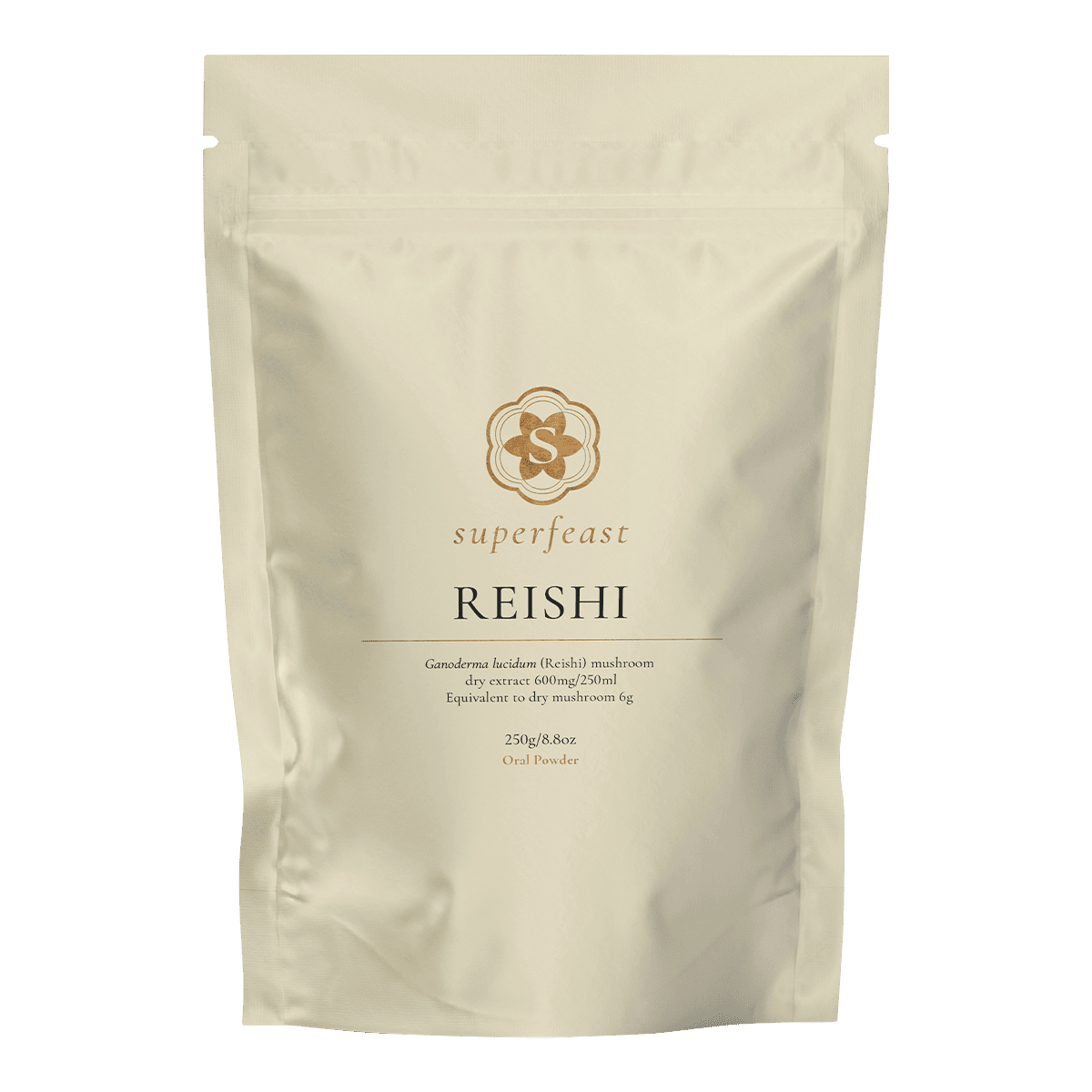
Ganoderma lucidum (Reishi) ext.
ext. equiv. dry (mushroom)
600 mg
6 g
Instructions
Instructions
Dosage
1/2 teaspoon in 250 mL of boiling water daily, 1 hour before bed
Duration
Long-term circadian dysruption support
Warnings
If you are pregnant, lactating, or taking blood thinners or blood pressure medication, first consult your health practitioner before use
Always read the label
Dietary supplements should not replace a balanced diet
If symptoms persist, worsen or change unexpectedly, consult your healthcare professional
Contraindications
Contraindications
This supplement may interact with the following categories of medications, as well as specific active ingredients.
• Medications for high blood pressure
• Medications that slow blood clotting
Further details are provided below.
Please note that medications may be sold under different brand names, so check the listed active ingredients against your medication packaging.
Major Interactions
Moderate Interactions
Medications for high blood pressure
• Amlodipine
• Ramipril
• Perindopril
• Metoprolol
• Losartan
• Hydrochlorothiazide
Reishi mushroom might lower blood pressure. Taking reishi mushroom along with medications that lower blood pressure might cause blood pressure to go too low. Monitor your blood pressure closely.
Medications that slow blood clotting
• Heparin
• Rivaroxaban
• Apixaban
• Dabigatran
• Clopidogrel
Reishi mushroom might slow blood clotting. Taking reishi mushroom along with medications that also slow blood clotting might increase the risk of bruising and bleeding.
Minor Interactions
bottom of page