
Clinical Benefits
Clinical Benefits
Herpes Simplex Latency involves the dormant state of HSV-1 and HSV-2 viruses that persist in sensory neurons, periodically reactivating to cause cold sores or genital lesions. This complex condition requires targeted nutritional support to strengthen immune defenses and reduce viral reactivation frequency. Quercetin Protect combines scientifically-researched ingredients that address multiple pathways involved in herpes simplex management.
Quercetin, the formula's primary active ingredient, demonstrates broad-spectrum antiviral activity against both HSV-1 and HSV-2 through multiple complementary mechanisms. In HSV-1 infections, quercetin disrupts viral attachment, downregulates key viral protein expression, and suppresses viral gene transcription, effectively limiting viral replication. For HSV-2, quercetin significantly inhibits viral replication by approximately 50%, primarily by downregulating essential viral genes involved in early infection stages [8][9][10]. Additionally, quercetin modulates immune responses by inhibiting inflammatory signaling pathways commonly activated during HSV infections, helping to reduce virus-induced inflammation and limit tissue damage during outbreaks.
Vitamin C (calcium ascorbate) provides crucial immune support while exhibiting direct antiviral activity against herpes simplex virus. Laboratory studies demonstrate that vitamin C can inhibit HSV-1 replication through mechanisms involving either free radical generation, direct binding to viral particles, or both [6]. Although typically classified as an antioxidant, vitamin C can act as a pro-oxidant under certain conditions, particularly in the presence of ferric iron and oxygen, promoting reactive oxygen species formation that contributes to its antiviral properties by exerting cytotoxic effects on virus-infected cells.
Green tea extract (Camellia sinensis), rich in epigallocatechin gallate (EGCG), has shown remarkable antiviral effects against both HSV-1 and HSV-2. EGCG interferes with multiple stages of the viral life cycle by binding to viral glycoprotein D, preventing attachment and entry into host cells, disrupting viral envelope integrity, and inhibiting DNA replication by targeting viral DNA polymerase [10]. Clinical investigations involving 68 individuals with oral herpes found that a herbal blend containing 100 mg of quercetin and green tea extract, administered daily over 2-36 months, significantly reduced outbreak frequency and duration with greater safety and efficacy compared to standard antiviral medications like acyclovir and valacyclovir. Another study with 139 individuals with genital herpes reported a 90.8% reduction in infection frequency using the same supplement over 2-48 months [10].
St Mary's Thistle (Silybum marianum) provides hepatoprotective support that may be particularly relevant for individuals managing chronic viral infections, as the liver plays a crucial role in immune function and detoxification processes. Grape seed extract (Vitis vinifera) contains powerful antioxidant compounds that help protect cells from oxidative stress, which can be elevated during viral infections and may contribute to immune system compromise.
Vitamin E (d-alpha-tocopheryl acetate) and beta-carotene from Dunaliella salina provide additional antioxidant protection, supporting overall immune function and cellular integrity. These nutrients work synergistically to maintain optimal immune surveillance, which is essential for keeping herpes simplex viruses in their dormant state and preventing frequent reactivations.
Ingredients
Quercetin
500 mg
Calcium ascorbate dihydrate (Vitamin C)
equiv. Ascorbic acid
243 mg
199 mg
d-alpha-Tocopheryl acetate (Vitamin E)
41 mg
Silybum marianum (St Mary's Thistle) ext.
ext. equiv. dry (seed)
76 mg
1.9 g
Vitis vinifera (Grape seed) ext.
ext. equiv. dry (seed)
30 mg
1.2 g
Camellia sinensis (Green tea) ext.
ext. equiv. dry (leaf)
25 mg
225 mg
Dunaliella salina (Green micro-algae) ext.
equiv. Beta-carotene ext.
equiv. fresh (cell)
40 mg
3 mg
75 mg
Instructions
Instructions
Dosage
1 tablet twice daily with meals
Duration
Indicated for prevention and recommended at the onset of recurrent herpes simplex outbreaks.
Warnings
Always read the label
Dietary supplements should not replace a balanced diet
If symptoms persist, worsen or change unexpectedly, consult your healthcare professional
Caffeine intake of more than 200 mg daily is not recommended during pregnancy or lactation; a cup of instant coffee contains approximately 80 mg of caffeine
Contraindications
Contraindications
This supplement may interact with the following categories of medications, as well as specific active ingredients.
• Adenosine
• Atorvastatin
• Nadolol
• Antibiotics
• Birth Control Pills
• Bortezomib
• Carbamazepine
• Celiprolol
• Cimetidine
• Clozapine
• Dipyridamole
• Disulfiram
• Estrogens
• Ethosuximide
• Felbamate
• Fexofenadine
• Flutamide
• Fluvoxamine
• Imatinib
• Medications for asthma
• Medications for depression
• Medications moved by pumps in cells - refer list - refer list
• Medications that can harm the liver - refer list
• Medications that slow blood clotting
• Nintedanib
• Pentobarbital
• Phenobarbital
• Phenytoin
• Pioglitazone
• Riluzole
• Rosuvastatin
• Verapamil
• Warfarin
• Diuretics
• Alcohol
• Fluconazole
• Medications changed by the liver - refer list - refer list
• Medications for diabetes
• Metformin
• Methoxsalen
• Mexiletine
• Midazolam
• Nicardipine
• Terbinafine
• Tiagabine
• Ticlopidine
• Fluphenazine
• Indinavir
• Levothyroxine
• Medications for cancer
• Choline Magnesium Trisalicylate
• Salsalate
• Aspirin
• Cyclosporine
• Medications changed by the liver - refer list
• Selumetinib
• Medications moved by pumps in cells - refer list
• Morphine
• Raloxifene
• Sirolimus
• Tamoxifen
• Medications used for lowering cholesterol
Further details are provided below.
Please note that medications may be sold under different brand names, so check the listed active ingredients against your medication packaging.
Major Interactions
Atorvastatin
Green tea extract might decrease how much atorvastatin the body absorbs. Taking green tea extract along with atorvastatin might decrease the effects of atorvastatin.
Ephedrine
Stimulant drugs speed up the nervous system. Green tea contains caffeine. Caffeine and ephedrine are both stimulant drugs. Taking green tea along with ephedrine might cause too much stimulation and sometimes serious side effects and heart problems. Do not take caffeine-containing products and ephedrine at the same time.
Nadolol
• Corgard
Green tea might decrease how much nadolol the body absorbs. Taking green tea along with nadolol might decrease the effects of nadolol.
Moderate Interactions
Adenosine
• Adenocard
Green tea contains caffeine. The caffeine in green tea might block the effects of adenosine, which is often used by doctors to do a test called a cardiac stress test. Stop consuming green tea at least 24 hours before a cardiac stress test.
Antibiotics
• Doxycycline
• Ciprofloxacin
• Amoxicillin
• Azithromycin
• Norfloxacin
• Trimethoprim
The body breaks down caffeine to get rid of it. Some antibiotics might decrease how quickly the body breaks down caffeine. Taking these antibiotics along with green tea can increase the risk of side effects including jitteriness, headache, increased heart rate, and other side effects.
Birth control pills
Green tea contains caffeine. The body breaks down caffeine to get rid of it. Birth control pills can decrease how quickly the body breaks down caffeine. This might increase the risk for side effects from caffeine, such as jitteriness, headache, and fast heartbeat.
Bortezomib
• Velcade
Bortezomib is used in certain types of cancers. Green tea might interact with bortezomib and decrease its effects. If you take bortezomib, avoid taking green tea products.
Carbamazepine
Caffeine can decrease the effects of carbamazepine. Since green tea contains caffeine, taking green tea with carbamazepine might decrease the effects of carbamazepine.
Celiprolol
• Celicard
Green tea appears to decrease how much celiprolol is absorbed into the body. This might decrease the effects of celiprolol.
Cimetidine
• Tagamet
Green tea contains caffeine. The body breaks down caffeine to get rid of it. Cimetidine can decrease how quickly the body breaks down caffeine. Taking cimetidine along with green tea might increase the chance of caffeine side effects including jitteriness, headache, fast heartbeat, and others.
Clozapine
• Clozaril
The body breaks down clozapine to get rid of it. The caffeine in green tea seems to decrease how quickly the body breaks down clozapine. Taking green tea along with clozapine can increase the effects and side effects of clozapine.
Dipyridamole
• Persantine
Green tea contains caffeine. The caffeine in green tea might block the effects of dipyridamole. Dipyridamole is often used by doctors to do a test on the heart called a cardiac stress test. Stop drinking green tea at least 24 hours before a cardiac stress test.
Disulfiram
• Antabuse
The body breaks down caffeine to get rid of it. Disulfiram can decrease how quickly the body gets rid of caffeine. Taking green tea along with disulfiram might increase the effects and side effects of caffeine, including jitteriness, hyperactivity, irritability, and others.
Estrogens
• Oral contraceptive pill
• Estradiol
• Conjugated estrogens
• HRT combination products
The body breaks down the caffeine in green tea to get rid of it. Estrogens can decrease how quickly the body breaks down caffeine. Taking estrogen and drinking green tea can increase the risk of caffeine side effects, including jitteriness, headache, fast heartbeat, and others.
Ethosuximide
• Zarontin
Ethosuximide is a drug used to treat seizures. Caffeine in green tea can decrease the effects of ethosuximide. Taking green tea with ethosuximide might decrease the effects of ethosuximide. This might increase the risk of seizures.
Felbamate
• Felbatol
Felbamate is a drug used to treat seizures. The caffeine in green tea might decrease the effects of felbamate and increase the risk of seizures in some people.
Fexofenadine
• Allegra
Green tea might decrease how much fexofenadine the body absorbs. Separate taking this medication from consuming green tea.
Flutamide
• Eulexin
The body breaks down flutamide to get rid of it. The caffeine in green tea might decrease how quickly the body gets rid of flutamide. This could increase the effects and side effects of flutamide.
Fluvoxamine
• Luvox
The body breaks down the caffeine in green tea to get rid of it. Fluvoxamine can decrease how quickly the body breaks down caffeine. Taking fluvoxamine along with green tea might increase the risk of caffeine side effects such as jitteriness, headache, fast heartbeat, and others.
Imatinib
• Gleevec
Imatinib is used to treat certain types of cancer. Green tea appears to reduce how much imatinib gets into the body. This might decrease the effects of imatinib.
Lisinopril
Green tea appears to decrease how much lisinopril is absorbed into the body. This might decrease the effects of lisinopril.
The caffeine in green tea can increase how quickly the body gets rid of lithium. If you take products that contain caffeine and you take lithium, don't stop taking caffeine all at once. Decrease the daily dose of caffeine slowly. Stopping caffeine too quickly can increase the side effects of lithium.
Medications for asthma
• Beta-adrenergic agonists
Green tea contains caffeine. Caffeine can stimulate the heart. Some medications for asthma can also stimulate the heart. Taking caffeine with some medications for asthma might cause too much stimulation and cause heart problems.
Medications for depression
• MAOIs
Green tea contains caffeine. There is some concern that caffeine can interact with certain medications, called MAOIs. If caffeine is taken with these medications, it might increase the risk for serious side effects including fast heartbeat and very high blood pressure. Some common MAOIs include phenelzine, selegiline, and tranylcypromine.
Medications moved by pumps in cells
• Rosuvastatin
• Atorvastatin
• Simvastatin
• Methotrexate
• Fexofenadine
• Levothyroxine
Some medications are moved in and out of cells by pumps. Green tea might change how these pumps work and change how much medication stays in the body. In some cases, this might change the effects and side effects of a medication.
• Dabigatran
• Cyclosporine
• Fexofenadine
• Loperamide
• Some HIV antiretrovirals
Medications that can harm the liver
• Acetaminophen / Paracetamol
• Methotrexate
• Atorvastatin
• Simvastatin
• Isoniazid
Green tea extracts might harm the liver. Some medications can also harm the liver. Taking green tea extracts along with a medication that can harm the liver might increase the risk of liver damage.
Medications that slow blood clotting
• Heparin
• Rivaroxaban
• Apixaban
• Dabigatran
• Clopidogrel
Green tea might slow blood clotting. Taking green tea along with medications that also slow blood clotting might increase the risk of bruising and bleeding.
Nicotine
Stimulant drugs such as nicotine speed up the nervous system. The caffeine in green tea might also speed up the nervous system. Taking green tea along with stimulant drugs might cause serious problems, including increased heart rate and high blood pressure. Avoid taking stimulant drugs along with caffeine.
Nintedanib
• Ofev
Green tea might decrease how much nintedanib is in the body. It's not clear if this is a real concern.
Pentobarbital
• Nembutal
The stimulant effects of the caffeine in green tea can block the sleep-producing effects of pentobarbital.
Phenobarbital
• Luminal
Phenobarbital is a drug used to treat seizures. The caffeine in green tea might decrease the effects of phenobarbital and increase the risk of seizures in some people.
Phenylpropanolamine
Green tea contains caffeine. Caffeine can stimulate the body. Phenylpropanolamine can also stimulate the body. Taking green tea and phenylpropanolamine together might cause too much stimulation and increase heartbeat and blood pressure and cause nervousness.
Phenytoin
Phenytoin is a drug used to treat seizures. The caffeine in green tea can decrease the effects of phenytoin. Taking green tea with phenytoin might decrease the effects of phenytoin and increase the risk of seizures in some people.
Pioglitazone
• Actos
Green tea contains caffeine. Caffeine might increase the amount of pioglitazone that the body absorbs. Taking green tea might increase the effects and adverse effects of pioglitazone.
Riluzole
• Rilutek
Drinking green tea can decrease how quickly the body breaks down riluzole and increase the effects and side effects of riluzole.
Rosuvastatin
Taking green tea extract might change the amount of rosuvastatin in the blood. This might change the effects and side effects of rosuvastatin.
Stimulant drugs
Stimulants, such as amphetamines and cocaine, speed up the nervous system. By speeding up the nervous system, stimulant medications can increase blood pressure and speed up the heartbeat. Green tea contains caffeine. Caffeine can also speed up the nervous system. Taking green tea along with stimulant drugs might cause serious problems including increased heart rate and high blood pressure.
Theophylline
Green tea contains caffeine. Caffeine works similarly to theophylline. Caffeine can also decrease how quickly the body gets rid of theophylline. Taking green tea along with theophylline might increase the effects and side effects of theophylline.
The caffeine in green tea might decrease the effects of valproate.
Verapamil
• Calan, others
Verapamil can decrease how quickly the body gets rid of caffeine. Drinking green tea and taking verapamil can increase the risk of caffeine side effects including jitteriness, headache, and an increased heartbeat.
• Jantoven
• Used for: blood thinning, clot prevention
Green tea contains vitamin K. Vitamin K can reduce the effect of warfarin. But the amount of vitamin K in green tea is very small. So green tea is unlikely to interact with warfarin when used in moderation. Large amounts of green tea, such as 8 cups or more each day, should be avoided.
Diuretics
• Diuretic drugs
Green tea contains caffeine. Caffeine, especially in large amounts, can reduce potassium levels in the body. "Diuretics" can also decrease potassium in the body. Taking large amounts of caffeine along with "Diuretics" might decrease potassium in the body too much.
Aluminum
Aluminum is found in most antacids. Vitamin C can increase how much aluminum the body absorbs. However, it is not clear if this interaction is a big concern. Take vitamin C two hours before or four hours after antacids.
Vitamin C might decrease how quickly the body gets rid of estrogens. Taking vitamin C along with estrogens might increase the effects and side effects of estrogens.
Fluphenazine
• Prolixin
Large amounts of vitamin C might decrease how much fluphenazine is in the body. Taking vitamin C along with fluphenazine might decrease the effectiveness of fluphenazine.
Indinavir
• Crixivan
Taking large amounts of vitamin C along with indinavir might decrease how much indinavir stays in the body. It's not clear if this interaction is a big concern.
Levothyroxine
• Synthroid, others
Taking vitamin C along with levothyroxine might increase how much levothyroxine the body absorbs. This can increase the amount of levothyroxine in the body and increase its effects and side effects.
Medications for cancer
• Cyclophosphamide
• Chlorambucil
• Melphalan
• Busulfan
• Temozolomide
Vitamin C is an antioxidant. There is some concern that antioxidants might decrease the effects of some medications used for cancer. If you are taking medications for cancer, check with your healthcare provider before taking vitamin C.
• Doxorubicin
• Bleomycin
• Daunorubicin
• Mitomycin
• Epirubicin
Vitamin C is an antioxidant. There is some concern that antioxidants might decrease the effects of medications used for cancer. If you are taking medications for cancer, check with your healthcare provider before taking vitamin C.
Niacin
Taking niacin with vitamin C and other antioxidants can decrease the effects of niacin on good cholesterol levels. It is unknown if vitamin C alone decreases the effects of niacin on good cholesterol levels.
Warfarin is used to slow blood clotting. Large amounts of vitamin C might decrease the effects of warfarin. Decreasing the effects of warfarin might increase the risk of clotting. Be sure to have your blood checked regularly. The dose of your warfarin might need to be changed.
Cyclosporine
• Restasis
• Used for: organ transplant, autoimmune conditions
Taking large amounts of vitamin E along with cyclosporine might increase how much cyclosporine the body absorbs. This might increase the effects and side effects of cyclosporine.
Medications changed by the liver
• Atorvastatin
• Simvastatin
• Amlodipine
• Diltiazem
• Cyclosporine
• Tacrolimus
• Midazolam
• Alprazolam
• Rivaroxaban
• Some HIV antiretrovirals
Some medications are changed and broken down by the liver. Vitamin E might change how quickly the liver breaks down these medications. If you are taking medications metabolised by the liver, monitor for any changes in how your medication affects you.
Vitamin E is an antioxidant. There is some concern that antioxidants might decrease the effects of some medications used for cancer. If you are taking medications for cancer, check with your healthcare provider before taking vitamin E.
Vitamin E might slow blood clotting. Taking vitamin E along with medications that also slow blood clotting might increase the risk of bruising and bleeding.
Taking niacin along with the drug simvastatin can increase good cholesterol levels. Taking niacin plus simvastatin along with vitamin E and other antioxidants can decrease the effects of niacin and simvastatin on good cholesterol levels. It is unknown if vitamin E alone decreases the effects of niacin plus simvastatin on good cholesterol levels.
Selumetinib
• Koselugo
Selumetinib, a drug used for cancer, contains vitamin E. Taking selumetinib with vitamin E-containing supplements can result in an unsafe dose of vitamin E. This could increase the risk of bleeding.
Warfarin is used to slow blood clotting. Vitamin E can also slow blood clotting. Taking vitamin E along with warfarin can increase the chances of bruising and bleeding. Be sure to have your blood checked regularly. The dose of your warfarin might need to be changed.
Ledipasvir
Taking milk thistle might decrease how quickly the body breaks down ledipasvir. This might increase the effects and side effects of ledipasvir.
• Cytochrome P450 2B6 substrates
Some medications are changed and broken down by the liver. Milk thistle might change how quickly the liver breaks down these medications. If you are taking medications metabolised by the liver, monitor for any changes in how your medication affects you.
Medications changed by the liver
• Glucuronidated drugs
Medications for diabetes
• Glyburide
• Glipizide
• Insulin
• Sitagliptin
• Empagliflozin
• Semaglutide
• Dapagliflozin
Milk thistle might lower blood sugar levels. Taking milk thistle along with diabetes medications might cause blood sugar to drop too low. Monitor your blood sugar closely.
• P-glycoprotein substrates
Some medications are moved in and out of cells by pumps. Milk thistle might change how these pumps work and change how much medication stays in the body. In some cases, this might change the effects and side effects of a medication.
Milk thistle might affect levels of morphine in the blood. This might increase or decrease the effects and side effects of morphine.
Raloxifene
• Evista
Taking milk thistle might decrease how well the body breaks down raloxifene in the stomach. This might increase the effects and side effects of raloxifene.
Sirolimus
• Rapamune
Taking milk thistle might decrease how well the liver breaks down sirolimus. This might increase the effects and side effects of sirolimus.
Sofosbuvir
Taking milk thistle might increase how quickly the body breaks down sofosbuvir. This might decrease the effects of sofosbuvir.
Tamoxifen
• Soltamox
• Used for: breast cancer treatment and prevention
Milk thistle might increase how much tamoxifen is absorbed by the body. This might increase the effects and side effects of tamoxifen.
Warfarin is used to slow blood clotting. Taking milk thistle might increase the effects of warfarin, which could increase the risk of bleeding.
• Caffeine
• Clozapine
• Olanzapine
• Theophylline
• Tizanidine
• Duloxetine
• Ramelteon
Some medications are changed and broken down by the liver. Grape might change how quickly the liver breaks down these medications. If you are taking medications metabolised by the liver, monitor for any changes in how your medication affects you.
• Tramadol
• Metoprolol
• Fluoxetine
• Paroxetine
• Tamoxifen
• Amitriptyline
Medications changed by the liver
• Cytochrome P450 2E1 substrates
Grape extract might slow blood clotting. Taking grape extract along with medications that also slow blood clotting might increase the risk of bruising and bleeding.
Midazolam
• Versed
Taking grape seed extract for at least one week might increase how quickly the body gets rid of midazolam. This might decrease the effects of midazolam. But taking only a single dose of grape seed extract doesn't seem to have an effect on midazolam.
Phenacetin
Drinking grape juice might increase how quickly the body breaks down phenacetin. Taking phenacetin along with grape juice might decrease the effects of phenacetin.
Minor Interactions
Alcohol
• Ethanol
The body breaks down the caffeine in green tea to get rid of it. Alcohol can decrease how quickly the body breaks down caffeine. Taking green tea along with alcohol might increase the effects and side effects of caffeine, including jitteriness, headache, and fast heartbeat.
Fluconazole
• Diflucan
Green tea contains caffeine. The body breaks down caffeine to get rid of it. Fluconazole might decrease how quickly the body gets rid of caffeine. Taking fluconazole along with green tea might increase the risk of caffeine side effects such as jitteriness, headache, fast heartbeat, and others.
Medications changed by the liver
• Atorvastatin
• Simvastatin
• Amlodipine
• Diltiazem
• Cyclosporine
• Tacrolimus
• Midazolam
• Alprazolam
• Rivaroxaban
• Some HIV antiretrovirals
Some medications are changed and broken down by the liver. Green tea might change how quickly the liver breaks down these medications. If you are taking medications metabolised by the liver, monitor for any changes in how your medication affects you.
Medications for diabetes
• Metformin
• Glyburide
• Glipizide
• Insulin
• Sitagliptin
• Empagliflozin
• Semaglutide
• Dapagliflozin
Green tea contains caffeine. Caffeine can either increase or decrease blood sugar. Diabetes medications are used to lower blood sugar. Taking some medications for diabetes along with caffeine might change the effects of the diabetes medications. Monitor your blood sugar closely. The dose of your diabetes medication might need to be changed.
Metformin
• Glucophage
Green tea contains caffeine. Metformin can decrease how quickly the body breaks down caffeine. Taking green tea along with metformin might increase the effects and side effects of caffeine.
Methoxsalen
• Oxsoralen
Green tea contains caffeine. Methoxsalen can decrease how quickly the body breaks down caffeine. Taking caffeine along with methoxsalen might increase the risk of caffeine side effects such as jitteriness, headache, fast heartbeat, and others.
Mexiletine
• Mexitil
Green tea contains caffeine. Mexiletine can decrease how quickly the body breaks down caffeine. Taking mexiletine along with green tea might increase the risk of caffeine side effects such as jitteriness, headache, fast heartbeat, and others.
Midazolam
• Versed
Green tea might decrease how quickly the body breaks down midazolam. Taking green tea along with midazolam might increase the effects and side effects of midazolam. But is not clear if this is a big concern.
Nicardipine
• Cardene
A chemical in green tea called EGCG might increase how much nicardipine is absorbed in the body. Green tea might increase the effects and side effects of nicardipine. But it's not clear if this is a real concern.
Phenothiazines
Green tea contains caffeine. Phenothiazines can decrease how quickly the body breaks down caffeine. Taking phenothiazines along with caffeine might increase the effects and side effects of caffeine.
Terbinafine
• Lamisil
Terbinafine can decrease how fast the body gets rid of caffeine. Taking green tea along with terbinafine can increase the risk of caffeine side effects including jitteriness, headache, increased heartbeat, and other effects.
Tiagabine
• Gabitril
Green tea contains caffeine. Taking caffeine over a long time period along with tiagabine can increase the amount of tiagabine in the body. This might increase the effects and side effects of tiagabine.
Ticlopidine
• Ticlid
Ticlopidine can decrease how quickly the body gets rid of caffeine. Taking green tea along with ticlopidine might increase the effects and side effects of caffeine, including jitteriness, hyperactivity, irritability, and others.
Aspirin
Aspirin is removed by the body through the kidneys and in the urine. Vitamin C might decrease how the body removes aspirin and could potentially increase the amount of aspirin in the body. But it's not clear if this is a big concern.
Choline Magnesium Trisalicylate
• Trilisate
Vitamin C might decrease how quickly the body gets rid of choline magnesium trisalicylate. It is not clear if this interaction is a big concern.
Salsalate
• Disalcid
Vitamin C might decrease how quickly the body gets rid of salsalate. Taking vitamin C along with salsalate might cause too much salsalate in the body, and increase the effects and side effects of salsalate.
Indinavir
• Crixivan
Milk thistle might increase how quickly the liver breaks down some medications. But milk thistle does not seem to affect how quickly the body breaks down indinavir.
• Warfarin
• Ibuprofen
• Diclofenac
• Glipizide
• Phenytoin
• Losartan
• Celecoxib
Some medications are changed and broken down by the liver. Milk thistle might change how quickly the liver breaks down these medications. If you are taking medications metabolised by the liver, monitor for any changes in how your medication affects you.
Medications moved by pumps in cells
• Organic anion-transporting polypeptide substrates
Some medications are moved in and out of cells by pumps. Milk thistle might change how these pumps work and change how much medication stays in the body. In some cases, this might change the effects and side effects of a medication.
Medications used for lowering cholesterol
• Atorvastatin
• Rosuvastatin
• Simvastatin
• Pravastatin
• Fluvastatin
Milk thistle might change the levels of some medications used for lowering cholesterol. This might decrease how well these medications work.
Some medications are changed and broken down by the liver. Grape might change how quickly the liver breaks down these medications. If you are taking medications metabolised by the liver, monitor for any changes in how your medication affects you.
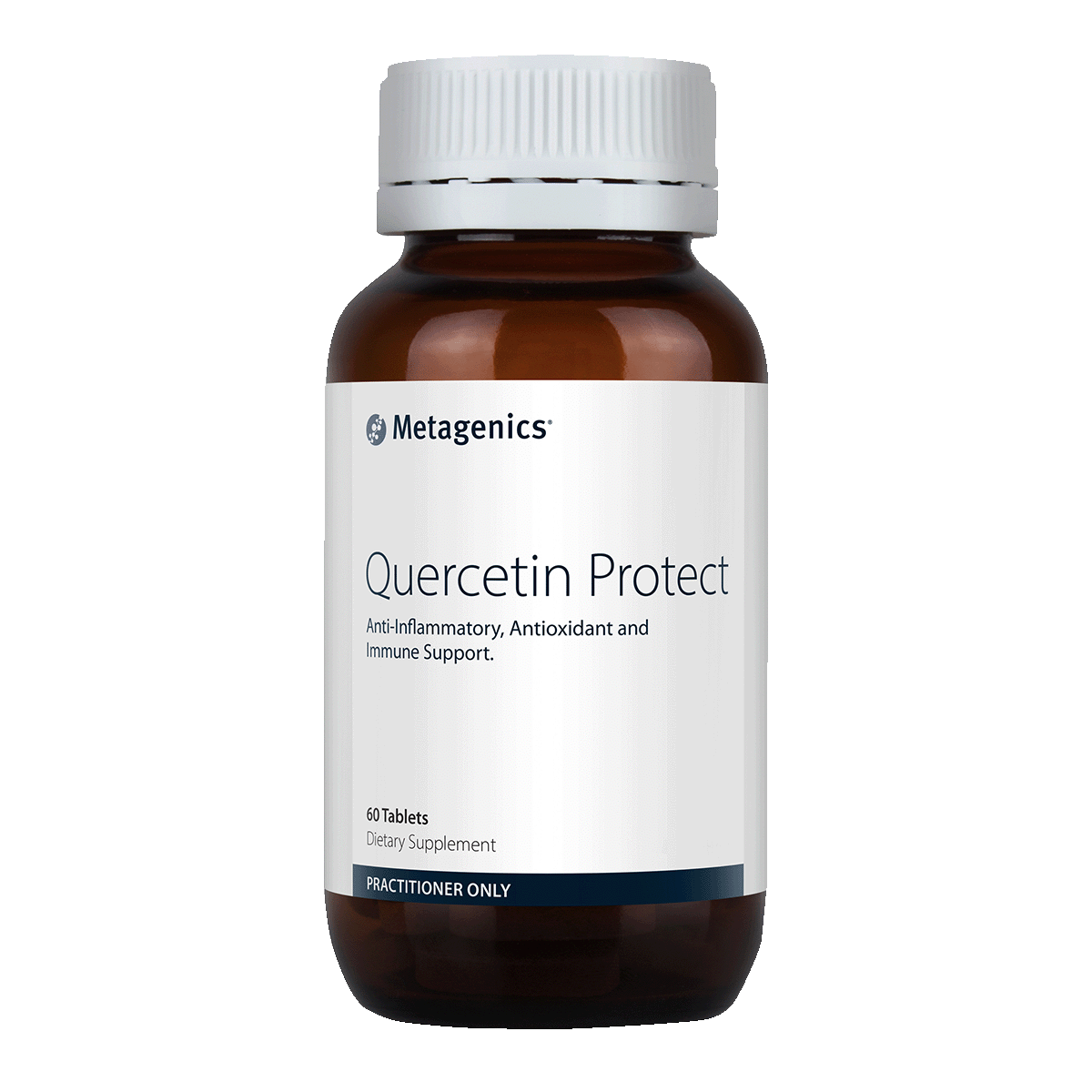
$16.51
Members Save
• Quercetin reduces HSV-2 viral replication by approximately 50% by targeting essential viral genes
• Green tea extract achieved 90.8% reduction in genital herpes infection frequency in clinical trials
• Vitamin C demonstrates direct antiviral activity against HSV-1 through multiple cellular mechanisms