
Clinical Benefits
Clinical Benefits
Heavy metals such as mercury, cadmium, lead, arsenic, and aluminium accumulate in the body over time, binding to proteins and creating stable bonds that trap these toxins in tissues like the brain, liver, and kidneys. This bioaccumulation leads to oxidative stress, cellular dysfunction, and a wide range of health issues including neurodevelopmental disorders, mood disturbances, memory deficits, and increased disease risk. Effective detoxification depends on the body's natural chelation and elimination pathways, primarily through liver-mediated glutathionation and methylation processes. Pure Liposome Curcumin provides targeted support for these critical detoxification mechanisms through its advanced bioactive compounds.
Curcumin, the primary active compound in this formulation, demonstrates remarkable efficacy for heavy metal detoxification through its unique dual-action mechanism. Unlike conventional chelators, curcumin can switch between chemical forms, with its enol form enabling strong binding of metals with 2 or 3 electrons, creating broad-spectrum metal binding capabilities [76]. This unique characteristic allows curcumin to effectively bind cadmium, mercury, aluminium, arsenic, lead, and chromium. Additionally, curcumin activates the Nrf2 pathway, which upregulates the body's natural defense and elimination systems, enhancing metal excretion processes throughout the body.
Clinical research demonstrates curcumin's powerful protective effects against multiple heavy metals. In aluminum toxicity studies, curcumin administered at therapeutic doses for 6 weeks to 2 months significantly reduced aluminum brain levels while increasing glutathione by 35-50% and reducing oxidative stress markers [76]. For arsenic exposure, a human trial involving participants chronically exposed through contaminated groundwater showed that 500mg of curcumin twice daily for 6 months resulted in an estimated 50-60% reduction in DNA damage, reduced oxidative stress levels, and increased DNA repair expression [76]. These findings highlight curcumin's ability to not only bind toxic metals but also repair cellular damage caused by chronic exposure.
The research on cadmium and lead toxicity reveals equally impressive results. In cadmium toxicity studies, curcumin administration led to a 40-50% decrease in cadmium tissue accumulation in the liver, kidney, and heart, alongside a 50-60% decrease in oxidative damage markers and 30-60% restoration of antioxidant enzymes including glutathione [76]. Blood pressure reductions of 20-30 points and significant decreases in inflammation markers including TNF-α and IL-6 were also observed. For lead toxicity, therapeutic doses resulted in a 30-50% reduction in lead within liver and kidney tissues, 50% reduction in oxidative damage markers, and 30-60% improvement in key antioxidants such as glutathione [76]. These studies demonstrate curcumin's comprehensive approach to metal detoxification, addressing both the removal of toxic metals and the restoration of cellular health.
Mercury detoxification studies further support curcumin's therapeutic potential, showing a 40% reduction in mercury tissue levels, restoration of antioxidants to near-normal levels, and 50-60% reduction in oxidative stress markers [76]. Importantly, curcumin also demonstrated significant reduction in mitochondrial and cell membrane damage, indicating protection at the cellular level. The liposomal delivery system in this formulation is particularly advantageous because curcumin favors being in its active enol form when surrounded by fat rather than water, enhancing both absorption through the intestinal lining and delivery to target tissues such as the brain and liver where heavy metals commonly accumulate.
The Curcuma longa extract provides additional support through its complete spectrum of curcuminoids, working synergistically with the primary curcumin compound. Turmeric has been traditionally used for detoxification purposes and provides complementary antioxidant and anti-inflammatory benefits that support the body's natural healing processes during heavy metal elimination.
Ingredients
Curcumin C3 Complex® Curcuma longa (Turmeric) ext.
equiv. Curcuminoids dry (rhizome)
170 mg
161.5 mg
11.05 g
Instructions
Instructions
Dosage
10 mL daily, straight or dissolved in water or juice; consume immediately
Duration
3 weeks
Warnings
Refrigerate after opening
In very rare cases, curcumin may harm the liver. Stop use and see a doctor if you have yellowing skin/ eyes or unusual: fatigue, nausea, appetite loss, abdominal pain, dark urine, or itching
Always read the label
Dietary supplements should not replace a balanced diet
If symptoms persist, worsen or change unexpectedly, consult your healthcare professional
Contraindications
Contraindications
This supplement may interact with the following categories of medications, as well as specific active ingredients.
• Medications changed by the liver - refer list
• Medications for cancer
• Medications for diabetes
• Medications moved by pumps in cells - refer list
• Medications that can harm the liver
• Medications that slow blood clotting
• Methotrexate
• Sulfasalazine
• Tacrolimus
• Talinolol
• Tamoxifen
• Tramadol
• Warfarin
• Docetaxel
• Estrogens
• Glyburide
• Losartan
• Norfloxacin
• Paclitaxel
Further details are provided below.
Please note that medications may be sold under different brand names, so check the listed active ingredients against your medication packaging.
Major Interactions
Moderate Interactions
Medications changed by the liver
• Atorvastatin
• Simvastatin
• Amlodipine
• Diltiazem
• Cyclosporine
• Tacrolimus
• Midazolam
• Alprazolam
• Rivaroxaban
• Some HIV antiretrovirals
Some medications are changed and broken down by the liver. Turmeric might change how quickly the liver breaks down these medications. If you are taking medications metabolised by the liver, monitor for any changes in how your medication affects you.
Medications for cancer
• Cyclophosphamide
• Chlorambucil
• Melphalan
• Busulfan
• Temozolomide
Turmeric is an antioxidant. There is some concern that antioxidants might decrease the effects of some medications used for cancer. If you are taking medications for cancer, check with your healthcare provider before taking turmeric.
• Doxorubicin
• Bleomycin
• Daunorubicin
• Mitomycin
• Epirubicin
Turmeric is an antioxidant. There is some concern that antioxidants might decrease the effects of medications used for cancer. If you are taking medications for cancer, check with your healthcare provider before taking turmeric.
Medications for diabetes
• Glyburide
• Glipizide
• Insulin
• Sitagliptin
• Empagliflozin
• Semaglutide
• Dapagliflozin
Turmeric might lower blood sugar levels. Taking turmeric along with diabetes medications might cause blood sugar to drop too low. Monitor your blood sugar closely.
Medications moved by pumps in cells
• Rosuvastatin
• Atorvastatin
• Simvastatin
• Methotrexate
• Fexofenadine
• Levothyroxine
Some medications are moved in and out of cells by pumps. Turmeric might change how these pumps work and change how much medication stays in the body. In some cases, this might change the effects and side effects of a medication.
Medications that can harm the liver
• Acetaminophen / Paracetamol
• Methotrexate
• Atorvastatin
• Simvastatin
• Isoniazid
Turmeric might harm the liver. Some medications can also harm the liver. Taking turmeric along with a medication that can harm the liver might increase the risk of liver damage.
Medications that slow blood clotting
• Heparin
• Rivaroxaban
• Apixaban
• Dabigatran
• Clopidogrel
Turmeric might slow blood clotting. Taking turmeric along with medications that also slow blood clotting might increase the risk of bruising and bleeding.
Methotrexate
• Trexall
• Otrexup
• Rasuvo
• Used for: rheumatoid arthritis, psoriasis, certain cancers
Turmeric might harm the liver. Methotrexate can also harm the liver. Taking turmeric along with methotrexate might increase the risk of liver damage.
Sulfasalazine
• Azulfidine
• Used for: Crohn's disease, ulcerative colitis, rheumatoid arthritis
Turmeric might increase how much sulfasalazine the body absorbs. Taking turmeric while taking sulfasalazine might increase the effects and side effects of sulfasalazine.
Tacrolimus
• Astagraf
• Used for: organ transplant anti-rejection
Turmeric might increase the amount of tacrolimus in the body. This can increase the side effects of tacrolimus and even damage the kidneys.
Talinolol
• Cordanum
• Used for: angina, heart conditions
Turmeric might decrease how much talinolol the body absorbs. Taking turmeric while taking talinolol might decrease the effects of talinolol.
Tamoxifen
• Soltamox
• Used for: breast cancer treatment and prevention
Turmeric might decrease how much tamoxifen is in the body. Taking turmeric with tamoxifen might decrease the effects of tamoxifen.
Tramadol
• ConZip
• Used for: moderate to severe pain
Turmeric might decrease or increase how much tramadol is in the body. Taking turmeric with tramadol might increase or decrease the effects of tramadol.
• Jantoven
• Used for: blood thinning, clot prevention
Warfarin is used to slow blood clotting. Taking turmeric while taking warfarin might increase the effects of warfarin and increase the risk of bleeding and bruising.
Minor Interactions
Docetaxel
• Taxotere
• Used for: breast, lung, prostate cancer
Turmeric might increase how much docetaxel the body absorbs. Taking turmeric while taking docetaxel might increase the effects and side effects of docetaxel.
Estrogens
• Oral contraceptive pill
• Estradiol
• Conjugated estrogens
• HRT combination products
Large amounts of turmeric might interfere with the effects of estrogen. Taking turmeric along with estrogen might decrease the effects of estrogens. Some estrogen pills include conjugated equine estrogens, ethinyl estradiol, estradiol, and others.
Glyburide
• Diabeta
• Micronase
• Glynase
• Used for: type 2 diabetes
Turmeric contains curcumin. Curcumin might lower blood sugar. Glyburide is also used to lower blood sugar. Taking curcumin or turmeric along with glyburide might cause your blood sugar to go too low. Monitor your blood sugar closely. Your dose of glyburide might need to be changed.
Losartan
• Cozaar
• Hyzaar
• Used for: high blood pressure, heart failure
Taking turmeric while taking losartan might increase the effects and side effects of losartan.
Medications changed by the liver
• Caffeine
• Clozapine
• Olanzapine
• Theophylline
• Tizanidine
• Duloxetine
• Ramelteon
Some medications are changed and broken down by the liver. Turmeric might change how quickly the liver breaks down these medications. If you are taking medications metabolised by the liver, monitor for any changes in how your medication affects you.
Medications moved by pumps in cells
• Digoxin
• Dabigatran
• Cyclosporine
• Fexofenadine
• Loperamide
• Some HIV antiretrovirals
Some medications are moved in and out of cells by pumps. Turmeric might change how these pumps work and change how much medication stays in the body. In some cases, this might change the effects and side effects of a medication.
Norfloxacin
• Noroxin
• Used for: urinary tract infections
Turmeric might increase how much norfloxacin the body absorbs. Taking turmeric while taking norfloxacin might increase the effects and side effects of norfloxacin.
Paclitaxel
• Abraxane
• Onxol
• Taxol
• Used for: various cancers
Turmeric might change how much paclitaxel stays in the body. Taking turmeric while taking paclitaxel might change the effects and side effects of paclitaxel. However, this doesn't seem to be a big concern.
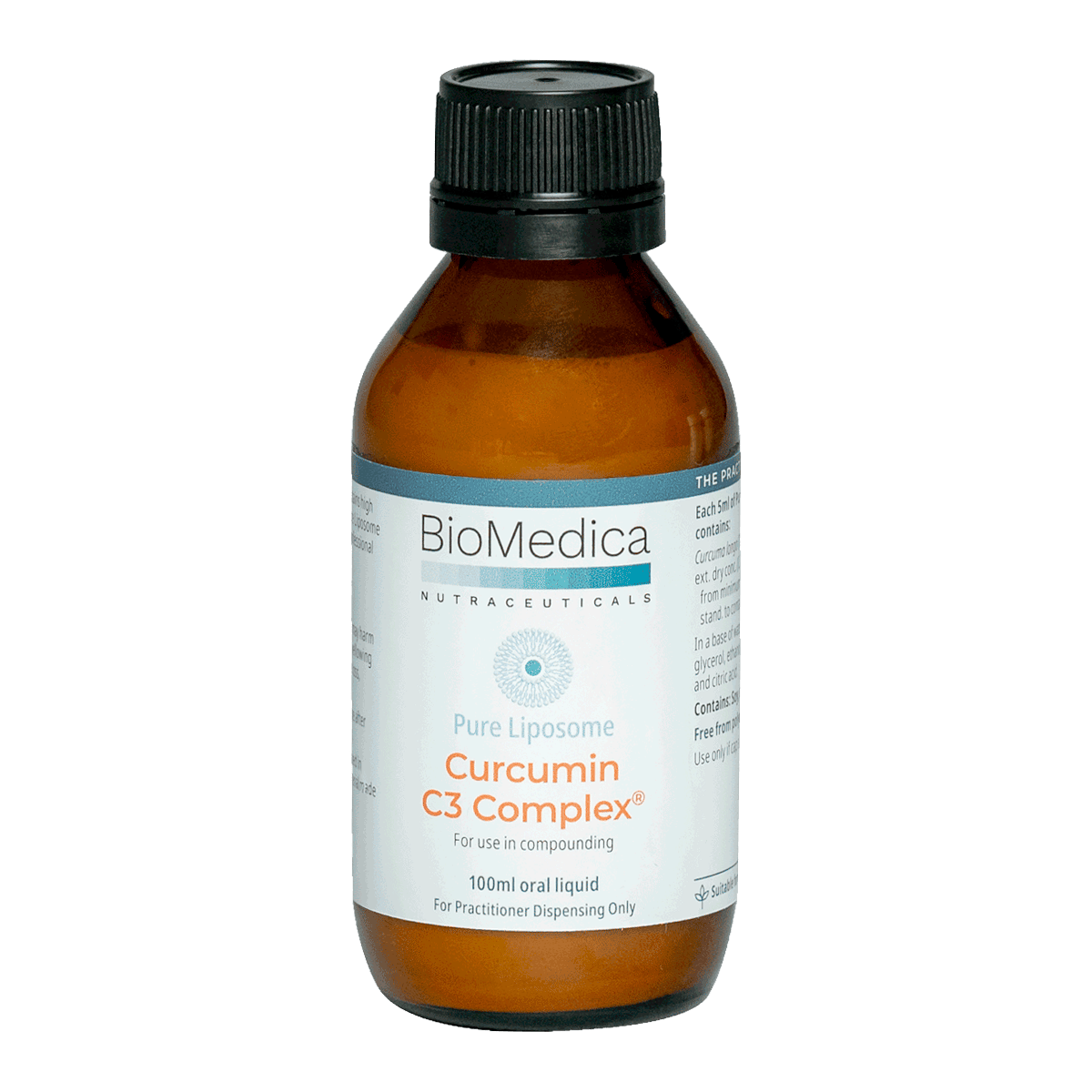
$17.52
Members Save
• Reduces heavy metal tissue accumulation by 30-50% across multiple toxic metals including lead, mercury, cadmium, and aluminum
• Decreases oxidative damage markers by 35-60% while restoring critical antioxidants like glutathione to near-normal levels
• Provides 50-60% reduction in DNA damage from arsenic exposure and enhances DNA repair mechanisms