
Clinical Benefits
Clinical Benefits
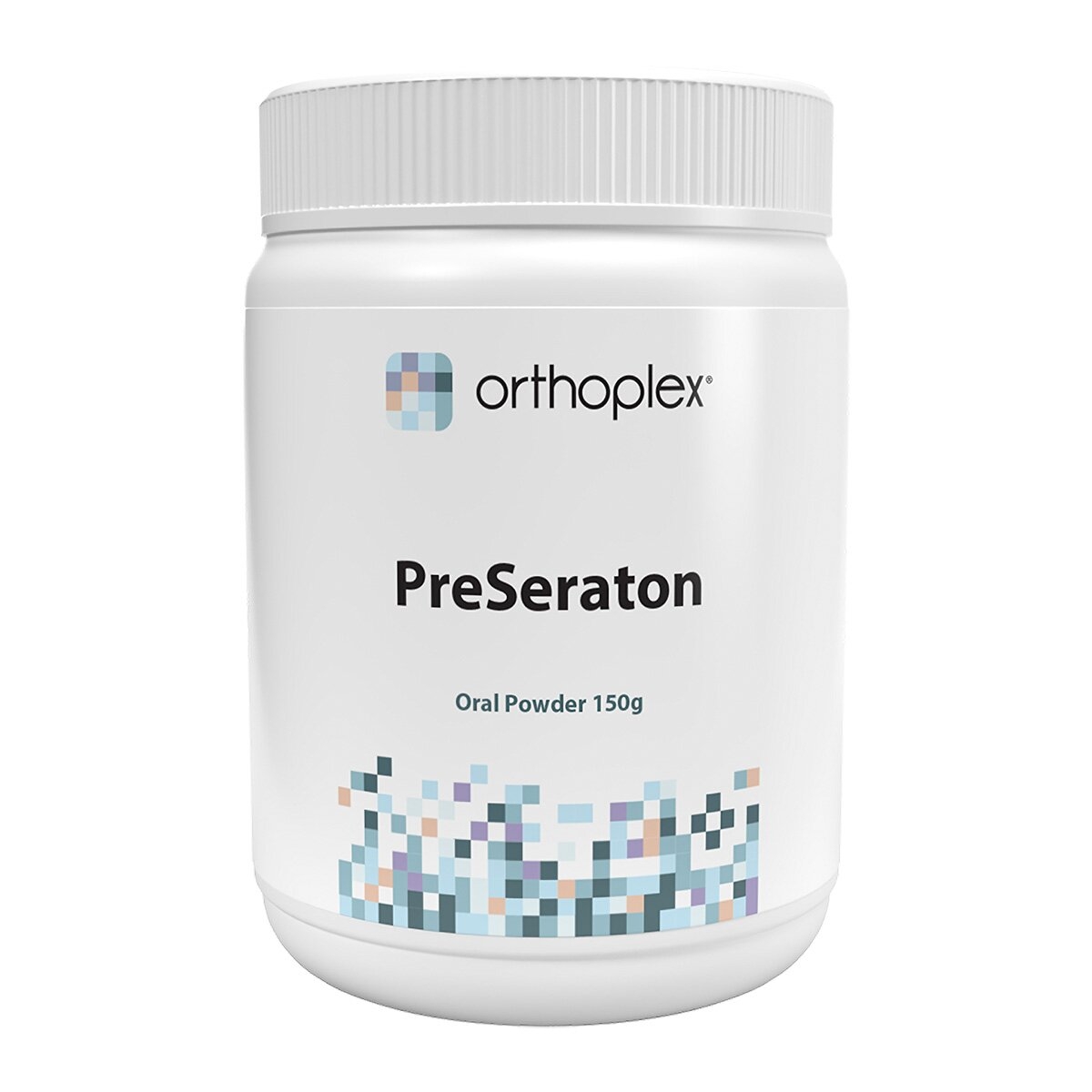
PreSearton is formulated to address serotonin deficiency through targeted nutritional support of the body's natural serotonin synthesis pathways. Serotonin, scientifically known as 5-hydroxytryptamine (5-HT), is a crucial neurotransmitter that regulates mood, sleep, appetite, digestion, memory, and pain perception. When serotonin levels are insufficient, it can lead to mood fluctuations, sleep disruption, digestive issues, and heightened stress sensitivity.
L-tryptophan serves as the foundation of serotonin synthesis, acting as the essential amino acid precursor that the body converts into serotonin through a carefully regulated biochemical pathway. Since tryptophan is an essential amino acid that must be obtained through diet, increased L-tryptophan intake has been shown to increase brain serotonin levels by providing more substrate for conversion via the serotonin biosynthetic pathway. The transport of tryptophan across the blood-brain barrier competes with other amino acids, making adequate intake crucial for maintaining optimal serotonin production in the brain, where tight regulation occurs.
Vitamin B6 (Pyridoxine hydrochloride) plays an essential enzymatic role in serotonin production, serving as a critical cofactor for aromatic L-amino acid decarboxylase, the enzyme that finalizes serotonin synthesis by converting 5-HTP to serotonin. Without sufficient B6, this decarboxylase enzyme cannot function properly, disrupting the entire serotonin biosynthetic cascade. Clinical studies indicate that B6 supplementation can alleviate mood symptoms and support better sleep patterns in people with low serotonin or high stress, as B6 also plays a role in neurotransmitter release and synaptic plasticity.
Magnesium citrate anhydrous provides critical mineral support for serotonin function, acting as a cofactor in multiple biochemical reactions involving serotonin receptors and nerve cell membrane stability. Low magnesium levels can amplify the effects of stress, promote neuroinflammation, and decrease serotonin receptor sensitivity, contributing to depression, anxiety, and irritability. Research suggests that magnesium supplementation improves mood and stress tolerance, especially when combined with other serotonin-supportive interventions, making it an essential component for maintaining optimal serotonergic neurotransmission.
Zinc gluconate serves as another vital cofactor in the serotonin synthesis pathway, supporting the enzymatic processes that convert tryptophan into active serotonin. Zinc deficiencies can disrupt the serotonin biosynthetic cascade, resulting in low neurotransmitter availability, impaired synaptic signaling, and worsened symptoms like depression, fatigue, and poor sleep. The mineral works synergistically with other nutrients to ensure proper enzyme function throughout the serotonin production process.
The remaining ingredients provide additional nutritional support: L-glycine and L-serine are amino acids that support neurotransmitter balance and nervous system function, while L-ornithine may help with stress management and sleep quality. Vitamin C (Ascorbic acid) acts as an antioxidant protecting neurotransmitter pathways from oxidative stress, and Vitamin B3 (Nicotinamide) supports overall nervous system health and energy metabolism. The natural lemon lime flavour, sodium bicarbonate, and malic acid enhance palatability and absorption of the active nutrients. [1][2][3][4]
Ingredients
L-glycine
Magnesium citrate anhydrous
L-serine
L-tryptophan
L-ornithine monohydrate
Natural lemon lime flavour
Ascorbic acid (Vitamin C)
Zinc gluconate
Sodium bicarbonate
Nicotinamide (Vitamin B3)
Pyridoxine hydrochloride (Vitamin B6)
Malic acid
Instructions
Instructions
Dosage
1 level scoop (1 g) daily in 250 mL water or juice; consume immediately
Duration
Suitable for long-term support of serotonin deficiency, with dosing adjusted according to symptoms
Warnings
Not suitable during pregnancy
Not suitable for children under 15 years
Do not consume more than one serve daily
Should only be used under medical or dietetic supervision
Dietary supplements should not replace a balanced diet
Contains vitamin B6; stop taking this medication if you experience tingling, burning or numbness and see your healthcare practitioner as soon as possible
Contains zinc which may be dangerous if taken in large amounts or for a long period
Contraindications
Contraindications
This supplement may interact with the following categories of medications, as well as specific active ingredients.
• Allopurinol
• Gemfibrozil
• Medications for diabetes
• Medications for high blood pressure
• Medications that can harm the liver
• Medications that slow blood clotting
• Medications used for lowering cholesterol
• Nicotine patch
• Probenecid
• Sulfinpyrazone
• Warfarin
• Serotonergic drugs
• Estrogens
• Fluphenazine
• Indinavir
• Levothyroxine
• Medications for cancer
• Choline Magnesium Trisalicylate
• Salsalate
• Aspirin
• Antibiotics
• Bictegravir/emtricitabine/tenofovir alafenamide
• Cephalexin
• Cisplatin
• Medications for HIV/AIDS
• Penicillamine
• Ritonavir
• Atazanavir
Further details are provided below.
Please note that medications may be sold under different brand names, so check the listed active ingredients against your medication packaging.
Major Interactions
Moderate Interactions
Allopurinol is used to treat gout. Taking large doses of niacin might worsen gout and decrease the effects of allopurinol.
Gemfibrozil
• Lopid
Taking niacin along with gemfibrozil might increase the risk for muscle damage in some people. Use with caution.
Medications for diabetes
• Glyburide
• Glipizide
• Insulin
• Sitagliptin
• Empagliflozin
• Semaglutide
• Dapagliflozin
High doses of niacin might increase blood sugar levels. Taking niacin along with diabetes medications might reduce the effects of these medications. Monitor your blood sugar closely.
Medications for high blood pressure
• Amlodipine
• Ramipril
• Perindopril
• Metoprolol
• Losartan
• Hydrochlorothiazide
Niacin might lower blood pressure. Taking niacin along with medications that lower blood pressure might cause blood pressure to go too low. Monitor your blood pressure closely.
Medications that can harm the liver
• Acetaminophen / Paracetamol
• Methotrexate
• Atorvastatin
• Simvastatin
• Isoniazid
Niacin might harm the liver. Some medications can also harm the liver. Taking niacin along with a medication that can harm the liver might increase the risk of liver damage.
Medications that slow blood clotting
• Heparin
• Rivaroxaban
• Apixaban
• Dabigatran
• Clopidogrel
Niacin might slow blood clotting. Taking niacin along with medications that also slow blood clotting might increase the risk of bruising and bleeding.
Medications used for lowering cholesterol
• Bile acid sequestrants
Some medications called bile acid sequestrants can decrease how much niacin the body absorbs. This might reduce the effects of niacin. Take niacin and these medications at least 4-6 hours apart.
• Atorvastatin
• Rosuvastatin
• Simvastatin
• Pravastatin
• Fluvastatin
Taking niacin along with statins might increase the risk for muscle damage in some people. Use with caution.
Nicotine patch
• Nicoderm
Niacin can sometimes cause flushing and dizziness. Nicotine patches can also cause flushing and dizziness. Taking niacin and using a nicotine patch may increase the risk of flushing and dizziness.
Probenecid
• Benemid
Probenecid is used to treat gout. Taking large doses of niacin might worsen gout and decrease the effects of probenecid.
Sulfinpyrazone
• Anturane
Sulfinpyrazone is used to treat gout. Taking large doses of niacin might worsen gout and decrease the effects of sulfinpyrazone.
Thyroid hormone
The body naturally produces thyroid hormones. Niacin might decrease thyroid hormone levels. Taking niacin with thyroid hormone pills might decrease the effects of thyroid hormone.
• Jantoven
• Used for: blood thinning, clot prevention
Niacin might increase the blood thinning effects of warfarin and potentially increase the chance of bleeding. Your healthcare provider may need to monitor you more often if you take niacin along with warfarin. The dose of your warfarin medication may need to be changed.
Serotonergic drugs
• Fluoxetine
• Sertraline
• Escitalopram
• Venlafaxine
• Duloxetine
• Tramadol
• MAOIs
L-tryptophan might increase a brain chemical called serotonin. Some medications also have this effect. Taking L-tryptophan along with these medications might increase serotonin too much. This might cause serious side effects including heart problems, seizures, and vomiting.
Aluminum
Aluminum is found in most antacids. Vitamin C can increase how much aluminum the body absorbs. However, it is not clear if this interaction is a big concern. Take vitamin C two hours before or four hours after antacids.
Estrogens
• Oral contraceptive pill
• Estradiol
• Conjugated estrogens
• HRT combination products
Vitamin C might decrease how quickly the body gets rid of estrogens. Taking vitamin C along with estrogens might increase the effects and side effects of estrogens.
Fluphenazine
• Prolixin
Large amounts of vitamin C might decrease how much fluphenazine is in the body. Taking vitamin C along with fluphenazine might decrease the effectiveness of fluphenazine.
Indinavir
• Crixivan
Taking large amounts of vitamin C along with indinavir might decrease how much indinavir stays in the body. It's not clear if this interaction is a big concern.
Levothyroxine
• Synthroid, others
Taking vitamin C along with levothyroxine might increase how much levothyroxine the body absorbs. This can increase the amount of levothyroxine in the body and increase its effects and side effects.
Medications for cancer
• Cyclophosphamide
• Chlorambucil
• Melphalan
• Busulfan
• Temozolomide
Vitamin C is an antioxidant. There is some concern that antioxidants might decrease the effects of some medications used for cancer. If you are taking medications for cancer, check with your healthcare provider before taking vitamin C.
• Doxorubicin
• Bleomycin
• Daunorubicin
• Mitomycin
• Epirubicin
Vitamin C is an antioxidant. There is some concern that antioxidants might decrease the effects of medications used for cancer. If you are taking medications for cancer, check with your healthcare provider before taking vitamin C.
Niacin
Taking niacin with vitamin C and other antioxidants can decrease the effects of niacin on good cholesterol levels. It is unknown if vitamin C alone decreases the effects of niacin on good cholesterol levels.
Warfarin is used to slow blood clotting. Large amounts of vitamin C might decrease the effects of warfarin. Decreasing the effects of warfarin might increase the risk of clotting. Be sure to have your blood checked regularly. The dose of your warfarin might need to be changed.
Antibiotics
• Doxycycline
• Ciprofloxacin
• Amoxicillin
• Azithromycin
• Norfloxacin
• Trimethoprim
Zinc might decrease how much antibiotic the body absorbs from the gut. Taking zinc along with quinolone antibiotics might decrease the effects of these antibiotics. To avoid this interaction, take antibiotics at least 2 hours before or 4-6 hours after zinc supplements.
Zinc can decrease the amount of tetracyclines the body absorbs. Taking zinc with tetracyclines might decrease the effects of tetracyclines. To avoid this interaction, take tetracyclines 2 hours before or 4-6 hours after taking zinc supplements.
Bictegravir/emtricitabine/tenofovir alafenamide
• Biktarvy
In theory, zinc might decrease how much bictegravir/emtricitabine/tenofovir alafenamide the body absorbs from the stomach. To avoid this interaction, take bictegravir/emtricitabine/tenofovir alafenamide at least 2 hours before or 6 hours after zinc containing products.
Cephalexin
• Keflex
Zinc can reduce how much cephalexin the body absorbs. This might decrease how well cephalexin works for treating infections. To avoid this interaction, take zinc 3 hours after taking cephalexin.
Cisplatin
• Platinol-AQ
Cisplatin is used to treat cancer. Taking zinc along with cisplatin might inactivate cisplatin therapy. But it's not clear if this is a big concern.
Medications for HIV/AIDS
• Integrase inhibitors
Taking zinc along with integrase inhibitors might decrease blood levels of integrase inhibitors. This might decrease the effects of these medications. Talk to your healthcare provider if you are using integrase inhibitors and want to start taking zinc.
Penicillamine
• Cuprimine, Depen
Zinc might decrease how much penicillamine the body absorbs. Taking zinc with penicillamine might decrease the effects of penicillamine. Take zinc and penicillamine at least 2 hours apart.
Ritonavir
• Norvir
Ritonavir is a drug used for HIV infection. Zinc can reduce how much ritonavir the body absorbs. But it isn't clear if this is a big concern.
Minor Interactions
Aspirin
Aspirin is removed by the body through the kidneys and in the urine. Vitamin C might decrease how the body removes aspirin and could potentially increase the amount of aspirin in the body. But it's not clear if this is a big concern.
Choline Magnesium Trisalicylate
• Trilisate
Vitamin C might decrease how quickly the body gets rid of choline magnesium trisalicylate. It is not clear if this interaction is a big concern.
Salsalate
• Disalcid
Vitamin C might decrease how quickly the body gets rid of salsalate. Taking vitamin C along with salsalate might cause too much salsalate in the body, and increase the effects and side effects of salsalate.
Atazanavir
• Reyataz
Atazanavir is a drug used for HIV infection. Zinc decreases how much atazanavir the body absorbs. But the body still absorbs enough atazanavir for it to work for treating HIV. So this interaction is probably not a big concern.
$14.66
Members Save
• Provides L-tryptophan, the essential amino acid precursor that directly increases brain serotonin levels through the natural biosynthetic pathway
• Contains Vitamin B6, a critical cofactor for the enzyme that converts 5-HTP to serotonin, supporting the final step in serotonin synthesis
• Includes magnesium and zinc as essential cofactors that support serotonin receptor function and prevent nutrient deficiency-related mood disruption