
Clinical Benefits
Clinical Benefits
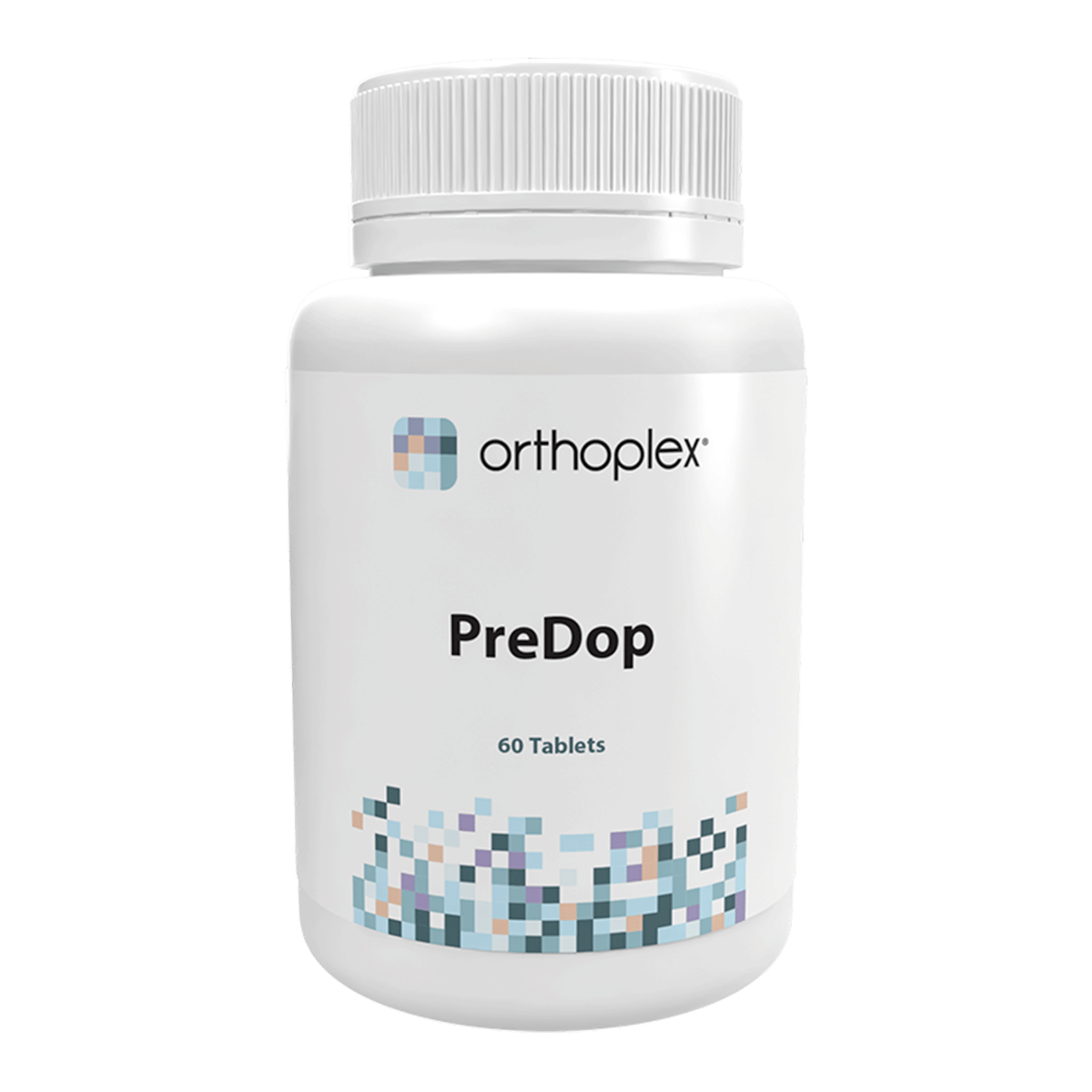
PreDop is formulated to support healthy dopamine levels and function, addressing the complex neurochemical imbalances associated with dopamine deficiency. This condition affects up to 46% of the body's dopamine production, which occurs outside the brain in areas like the gastrointestinal tract, making comprehensive support essential for optimal cognitive and emotional wellbeing [1].
L-tyrosine serves as the fundamental building block for dopamine synthesis, acting as a precursor that the enzyme tyrosine hydroxylase converts into L-DOPA, which then becomes dopamine. Clinical studies demonstrate that tyrosine supplementation can effectively boost dopamine levels, but specifically when tyrosine deficiency is present [48][49]. This makes L-tyrosine particularly valuable for individuals experiencing dopamine deficiency symptoms such as scattered thinking, poor motivation, or cognitive difficulties.
Rhodiola rosea (root) provides potent dopaminergic support through multiple mechanisms that have been validated in clinical research. This adaptogenic herb stimulates dopamine receptors in the central nervous system while increasing blood-brain barrier permeability, potentially enhancing dopamine biosynthesis in the brain. Importantly, Rhodiola acts as a monoamine oxidase inhibitor, reducing dopamine breakdown and increasing its synaptic availability [61]. These combined effects make Rhodiola particularly effective for supporting dopamine function under stress and improving cognitive resilience.
Glycyrrhiza glabra (Licorice) extract offers additional support for dopamine balance, particularly in the context of stress-related dopamine depletion. While not extensively detailed in dopamine-specific research, licorice has established adaptogenic properties that complement the formula's comprehensive approach to neurotransmitter support. The inclusion of standardized glycyrrhizinic acid ensures consistent bioactive delivery.
Pyridoxal 5-phosphate (P5P), the active form of vitamin B6, plays a crucial role in dopamine synthesis by acting as a cofactor for the enzyme dopa-decarboxylase. This enzyme is responsible for converting L-dopa into dopamine, making B6 deficiency a potential contributor to impaired dopamine production [50]. Clinical evidence shows that adequate B6 levels are essential for maintaining optimal dopaminergic function, particularly in individuals with attention and cognitive challenges.
The formula is completed with selenomethionine, Eleutherococcus senticosus (Siberian ginseng), and Alpinia galanga (Galangal), which provide antioxidant protection and adaptogenic support. These ingredients work synergistically to protect dopaminergic neurons from oxidative damage while supporting overall neurological health and stress resilience.
Ingredients
L-tyrosine
500 mg
Eleutherococcus senticosus (Siberian ginseng) ext.
equiv. Eleutherosides
ext. equiv. dry (root)
66.7 mg
0.53 mg
2 g
Alpinia galanga (Galangal) (rhizome)
ext. equiv. dry
equiv. ext.
equiv. Glycosides
equiv. Gallic Acid
equiv. Rutin
1.5 g
150 mg
45 mg
6 mg
4.5 mg
1.5 mg
equiv. Pyrocatecollic Type Tannins
Glycyrrhiza glabra (Licorice) ext.
equiv. Glycyrrhizinic acid
58.8 mg
11.8 mg
1 g
ext. equiv. dry (root)
Rhodiola rosea (root)
ext. equiv. dry
equiv. ext.
750 mg
93.75 mg
2.81 mg
940 μg
equiv. Rosavins
equiv. Salidroside
3.76 mg
2.4 mg
Pyridoxal 5-phosphate (P5P)
equiv. Pyridoxine
Selenomethionine (Selenium)
equiv. Selenium
86.9 μg
35 μg
Instructions
Instructions
Dosage
2 tablets daily
Duration
Suitable for long-term support of dopamine deficiency, with dosing adjusted according to symptoms
Warnings
Large capsule; swallow with a glass of water
Not recommended for use in pregnancy or lactation
Always read the label
Dietary supplements should not replace a balanced diet
If symptoms persist, worsen or change unexpectedly, consult your healthcare professional
Contains vitamin B6; stop taking this medication if you experience tingling, burning or numbness and see your healthcare practitioner as soon as possible
Contains selenium which is toxic in high doses; a daily dose of 150 µg for adults of selenium from dietary supplements should not be exceeded
Contraindications
Contraindications
This supplement may interact with the following categories of medications, as well as specific active ingredients.
• Medications that decrease the immune system
• Medications that slow blood clotting
• Sedative medications
• Warfarin
• Indomethacin
• Medications that decrease stomach acid
• Medications changed by the liver - refer list
• Medications for diabetes
• Medications moved by pumps in cells - refer list
• Digoxin
• Estrogens
• Medications for high blood pressure
• Medications for inflammation
• Midazolam
• Paclitaxel
• Diuretics
• Methotrexate
• Medications for depression
Further details are provided below.
Please note that medications may be sold under different brand names, so check the listed active ingredients against your medication packaging.
Major Interactions
Moderate Interactions
Medications that decrease the immune system
• Cyclosporine
• Tacrolimus
• Mycophenolate
• Prednisone
• Methotrexate
• Azathioprine
Selenium can increase the activity of the immune system. Some medications, such as those used after a transplant, decrease the activity of the immune system. Taking selenium along with these medications might decrease the effects of these medications.
Medications that slow blood clotting
• Heparin
• Rivaroxaban
• Apixaban
• Dabigatran
• Clopidogrel
Selenium might slow blood clotting. Taking selenium along with medications that also slow blood clotting might increase the risk of bruising and bleeding.
Niacin
Taking niacin along with the drug simvastatin can increase good cholesterol levels. Taking niacin plus simvastatin along with selenium and other antioxidants can decrease the effects of niacin and simvastatin on good cholesterol levels. It is unknown if selenium alone decreases the effects of niacin plus simvastatin on good cholesterol levels.
Sedative medications
• Diazepam
• Alprazolam
• Temazepam
• Zolpidem
• Zopiclone
• Promethazine
Selenium might reduce how quickly the body breaks down sedative medications. Taking selenium with these medications might increase the effects and side effects of these medications.
• Jantoven
• Used for: blood thinning, clot prevention
Selenium might slow blood clotting. Selenium might also increase the effects of warfarin in the body. Taking selenium along with warfarin might increase the chances of bruising and bleeding.
Medications changed by the liver
• Caffeine
• Clozapine
• Olanzapine
• Theophylline
• Tizanidine
• Duloxetine
• Ramelteon
Some medications are changed and broken down by the liver. Eleuthero might change how quickly the liver breaks down these medications. If you are taking medications metabolised by the liver, monitor for any changes in how your medication affects you.
• Glipizide
• Phenytoin
• Losartan
Medications for diabetes
• Glyburide
• Glipizide
• Insulin
• Sitagliptin
• Empagliflozin
• Semaglutide
• Dapagliflozin
Eleuthero might lower blood sugar levels. Taking eleuthero along with diabetes medications might cause blood sugar to drop too low. Monitor your blood sugar closely.
Medications moved by pumps in cells
• Organic anion-transporting polypeptide substrates
Some medications are moved in and out of cells by pumps. Eleuthero might change how these pumps work and change how much medication stays in the body. In some cases, this might change the effects and side effects of a medication.
Medications moved by pumps in cells
• P-glycoprotein substrates
Eleuthero can increase the activity of the immune system. Some medications, such as those used after a transplant, decrease the activity of the immune system. Taking eleuthero along with these medications might decrease the effects of these medications.
Eleuthero might slow blood clotting. Taking eleuthero along with medications that also slow blood clotting might increase the risk of bruising and bleeding.
• Used for: heart failure, atrial fibrillation
Large amounts of licorice can decrease potassium levels in the body. Low potassium levels can increase the side effects of digoxin.
Estrogens
• Oral contraceptive pill
• Estradiol
• Conjugated estrogens
• HRT combination products
Licorice seems to change hormone levels in the body. Taking licorice along with estrogen might decrease the effects of estrogen.
Medications changed by the liver
• Cytochrome P450 2B6 substrates
Some medications are changed and broken down by the liver. Licorice might change how quickly the liver breaks down these medications. If you are taking medications metabolised by the liver, monitor for any changes in how your medication affects you.
• Omeprazole
• Esomeprazole
• Clopidogrel
• Diazepam
• Escitalopram
• Sertraline
Medications changed by the liver
• Cytochrome P450 2C8 substrates
• Atorvastatin
• Simvastatin
• Amlodipine
• Diltiazem
• Cyclosporine
• Tacrolimus
• Midazolam
• Alprazolam
• Rivaroxaban
• Some HIV antiretrovirals
Medications for high blood pressure
• Amlodipine
• Ramipril
• Perindopril
• Metoprolol
• Losartan
• Hydrochlorothiazide
Licorice might increase blood pressure. Taking licorice might reduce the effects of blood pressure medications. Monitor your blood pressure closely.
Medications for inflammation
• Corticosteroids
Licorice can decrease how quickly the body breaks down corticosteroids. This can increase the effects and side effects of corticosteroids.
Some medications are moved in and out of cells by pumps. Licorice might change how these pumps work and change how much medication stays in the body. In some cases, this might change the effects and side effects of a medication.
Midazolam
• Versed
Licorice might increase how quickly midazolam is broken down by the body. This might decrease the effects of midazolam.
Paclitaxel
• Abraxane
• Onxol
• Taxol
• Used for: various cancers
Licorice might increase how quickly the body breaks down paclitaxel. Taking licorice with paclitaxel might decrease the effects of paclitaxel.
Warfarin is used to slow blood clotting. Licorice might decrease the effects of warfarin. Decreasing the effects of warfarin might increase the risk of clotting. Be sure to have your blood checked regularly. The dose of your warfarin might need to be changed.
Diuretics
• Diuretic drugs
Licorice can decrease potassium levels. "Diuretics" can also decrease potassium levels. Taking licorice along with "Diuretics" might make potassium levels drop too low.
Diuretics
• Loop diuretics
Licorice can decrease potassium levels. Loop diuretics can also decrease potassium levels. Taking licorice and loop diuretics together might make potassium levels drop too low.
Thyroid hormone
The body naturally produces thyroid hormones. Tyrosine might increase how much thyroid hormone the body produces. Taking tyrosine with thyroid hormone pills might cause there to be too much thyroid hormone. This could increase the effects and side effects of thyroid hormones.
Some medications are changed and broken down by the liver. Rhodiola might change how quickly the liver breaks down these medications. If you are taking medications metabolised by the liver, monitor for any changes in how your medication affects you.
Rhodiola might lower blood sugar levels. Taking rhodiola along with diabetes medications might cause blood sugar to drop too low. Monitor your blood sugar closely.
Rhodiola might lower blood pressure. Taking rhodiola along with medications that lower blood pressure might cause blood pressure to go too low. Monitor your blood pressure closely.
Some medications are moved in and out of cells by pumps. Rhodiola might change how these pumps work and change how much medication stays in the body. In some cases, this might change the effects and side effects of a medication.
Rhodiola can increase the activity of the immune system. Some medications, such as those used after a transplant, decrease the activity of the immune system. Taking rhodiola along with these medications might decrease the effects of these medications.
Minor Interactions
Indomethacin
• Tivorbex
Alpinia might increase how quickly the body gets rid of indomethacin. This might decrease the effects of indomethacin.
Medications that decrease stomach acid
• H2-blockers
H2-blockers are used to decrease stomach acid. Alpinia can increase stomach acid. Taking alpinia might decrease the effects of H2-blockers. Some common H2-blockers include cimetidine, ranitidine, and famotidine.
• Omeprazole
• Esomeprazole
• Pantoprazole
• Lansoprazole
• Rabeprazole
Proton pump inhibitors are used to decrease stomach acid. Alpinia can increase stomach acid. Taking alpinia might decrease the effects of proton pump inhibitors. Some common proton pump inhibitors include omeprazole, lansoprazole, rabeprazole, pantoprazole, and esomeprazole.
Medications changed by the liver
• Codeine
• Tramadol
• Metoprolol
• Fluoxetine
• Paroxetine
• Tamoxifen
• Amitriptyline
Some medications are changed and broken down by the liver. Eleuthero might change how quickly the liver breaks down these medications. If you are taking medications metabolised by the liver, monitor for any changes in how your medication affects you.
• Atorvastatin
• Simvastatin
• Amlodipine
• Diltiazem
• Cyclosporine
• Tacrolimus
• Midazolam
• Alprazolam
• Rivaroxaban
• Some HIV antiretrovirals
• Caffeine
• Clozapine
• Olanzapine
• Theophylline
• Tizanidine
• Duloxetine
• Ramelteon
Some medications are changed and broken down by the liver. Licorice might change how quickly the liver breaks down these medications. If you are taking medications metabolised by the liver, monitor for any changes in how your medication affects you.
Methotrexate
• Trexall
• Otrexup
• Rasuvo
• Used for: rheumatoid arthritis, psoriasis, certain cancers
Licorice might decrease how quickly the body breaks down methotrexate. This might increase the effects and side effects of methotrexate.
Some medications are changed and broken down by the liver. Rhodiola might change how quickly the liver breaks down these medications. If you are taking medications metabolised by the liver, monitor for any changes in how your medication affects you.
Medications for depression
• Antidepressant drugs
Rhodiola might increase the risk of side effects from antidepressant drugs.
Sedative medications
• Diazepam
• Alprazolam
• Temazepam
• Zolpidem
• Zopiclone
• Promethazine
Rhodiola might cause sleepiness and slowed breathing. Some medications, called sedatives, can also cause sleepiness and slowed breathing. Taking rhodiola with sedative medications might cause breathing problems and/or too much sleepiness.
$13.32
Members Save
• L-tyrosine provides the essential precursor for dopamine synthesis, with clinical studies showing effectiveness when deficiency is present
• Rhodiola rosea stimulates dopamine receptors and acts as a monoamine oxidase inhibitor, reducing dopamine breakdown while increasing synaptic availability
• Pyridoxal 5-phosphate (P5P) serves as a crucial cofactor for dopa-decarboxylase, the enzyme that converts L-dopa directly into dopamine