
Clinical Benefits
Clinical Benefits
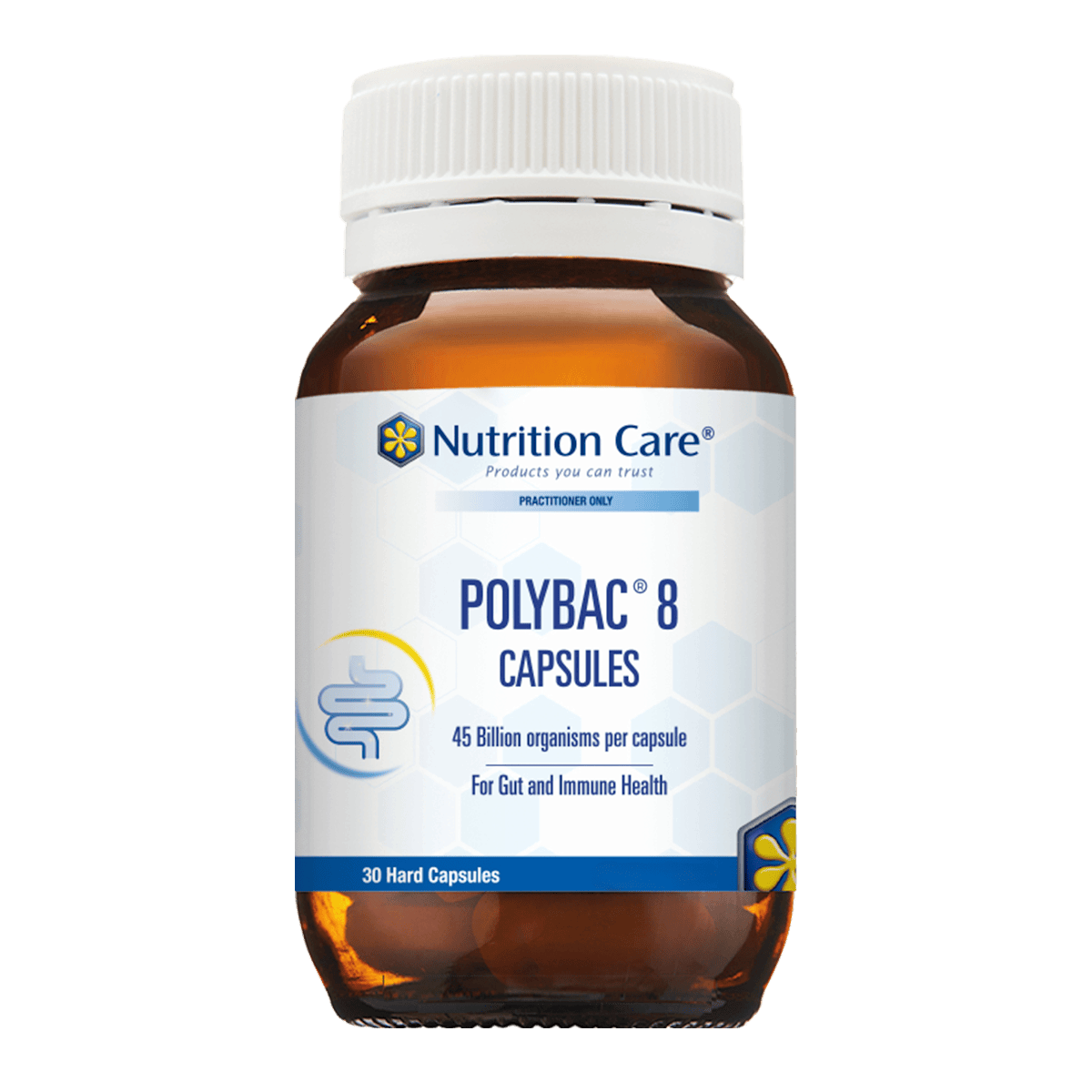
Polybac 8 contains eight carefully selected probiotic strains that target dopamine deficiency through the gut-brain axis. Research shows that up to 46% of the body's dopamine is produced outside the brain, primarily in the gastrointestinal tract, where gut microbiota play a pivotal role in synthesizing dopamine precursors like L-DOPA, which can cross the blood-brain barrier to support brain dopamine synthesis [1][3]. When gut microbiota becomes imbalanced (dysbiosis), the abundance of dopamine-producing bacteria declines, leading to reduced dopamine synthesis and potentially disrupting brain function and behavior [41].
Lactobacillus plantarum in this formula has been shown to significantly elevate dopamine levels and alleviate stress- and anxiety-like behaviors in conditions characterized by dopamine deficiency. This strain demonstrates remarkable regulatory abilities - it can help maintain dopamine balance in neurodegenerative disorders such as Parkinson's disease by reducing the expression of key enzymes involved in dopamine metabolism, including dopamine β-hydroxylase and tyrosine hydroxylase. When excessive dopamine contributes to neurological dysfunction, Lactobacillus plantarum enhances the expression of dopamine transporter (DAT), facilitating the clearance of excess dopamine from synapses and helping restore neurochemical balance [65].
Lactobacillus rhamnosus works through a different mechanism, increasing the firing frequency of the vagus nerve - a key communication pathway in the gut-brain axis that directly influences dopamine levels in both the brain and body. Vagal nerve stimulation is known to activate dopamine pathways and elevate dopamine concentrations in the central nervous system. Additionally, this strain promotes brain health by upregulating important neurotrophic factors like BDNF (brain-derived neurotrophic factor) and GDNF (glial-cell-line-derived neurotrophic factor), which support the growth and survival of neurons, while also reducing the activity of monoamine oxidase B (MAO-B), an enzyme responsible for breaking down dopamine [66].
The Bifidobacterium species in Polybac 8, including B. lactis and B. longum, contribute to dopamine support through their production of short-chain fatty acids (SCFAs). In the large intestine, these bacteria ferment dietary fibers to produce butyrate, propionate, and acetate, which play key roles in supporting brain health and dopamine regulation. Sodium butyrate has been shown to increase dopamine levels, protect dopaminergic neurons from degeneration, and reduce motor deficits in models of dopamine deficiency such as Parkinson's disease. Notably, SCFA levels were found to be deficient in ADHD patients, both children and adults [67][68]. These effects occur because SCFAs can cross the blood-brain barrier and increase tyrosine hydroxylase (the enzyme critical for dopamine synthesis), activate G-protein-coupled receptors that protect against neurotoxicity, and stimulate GLP-1 signaling, which boosts dopamine synthesis, transport, and neuronal protection [69].
The remaining strains - Lactobacillus acidophilus, L. casei, L. salivarius, and Streptococcus thermophilus - are well-established probiotic species that support overall gut health and microbiome diversity. These strains help maintain intestinal barrier function, support immune balance, and contribute to the overall microbial ecosystem that influences neurotransmitter production and gut-brain communication.
[1]>https://academic.oup.com/jcem/article-abstract/82/11/3864/2866142
[3]>https://pmc.ncbi.nlm.nih.gov/articles/PMC8234057/
[41]>https://pmc.ncbi.nlm.nih.gov/articles/PMC8234057/
[65]>https://www.mdpi.com/2227-9059/10/2/436
[66]>https://www.mdpi.com/2227-9059/10/2/436
[67]>https://pmc.ncbi.nlm.nih.gov/articles/PMC10437823/
Ingredients
Bifidobacterium lactis
4.5 billion CFU
Bifidobacterium longum
4.5 billion CFU
Lactobacillus acidophilus
7.5 billion CFU
Lactobacillus casei
7.5 billion CFU
Lactobacillus plantarum
7.5 billion CFU
Lactobacillus rhamnosus
9 billion CFU
Lactobacillus salivarius
3 billion CFU
Streptococcus thermophilus
1.5 billion CFU
Instructions
Instructions
Dosage
1 capsule once or twice daily, 30 minutes before a meal
Duration
4 weeks
Warnings
Stability information has not been provided.
Product must be refrigerated
Contains milk products
May contain soya beans and gluten
Take at least 2 hours away from antibiotics
Seek medical advice if diarrhoea persists for more than: 6 hours in infants under 6 months; 12 hours in children under 3 years; 24 hours in children aged 3-6 years; 48 hours in adults and children over 6 years
Always read the label
Dietary supplements should not replace a balanced diet
If symptoms persist, worsen or change unexpectedly, consult your healthcare professional
Contraindications
Contraindications
Major Interactions
Moderate Interactions
Minor Interactions
$16.91
Members Save
• Contains Lactobacillus plantarum, clinically shown to elevate dopamine levels and maintain dopamine balance in neurodegenerative conditions like Parkinson's disease
• Features Lactobacillus rhamnosus that increases vagus nerve firing frequency, directly activating dopamine pathways and elevating brain dopamine concentrations
• Includes Bifidobacterium species that produce short-chain fatty acids, which cross the blood-brain barrier to increase dopamine synthesis enzymes and protect dopaminergic neurons