
Clinical Benefits
Clinical Benefits
Phytoregenex provides targeted botanical support for lymphatic congestion, a condition where impaired lymph flow and poor clearance of harmful substances leads to fluid retention, inflammation, and compromised immune function. The lymphatic system plays a crucial role in maintaining fluid balance, clearing toxins, and supporting immune surveillance throughout the body.
Giant Knotweed (Reynoutria japonica), standardized for resveratrol content, offers potent antioxidant and anti-inflammatory properties that help protect lymphatic vessels from oxidative damage. Resveratrol has been shown to support vascular health and may help maintain the structural integrity of lymphatic vessels, which is essential for proper lymph drainage and circulation.
Grape seed extract (Vitis vinifera), rich in procyanidins, provides powerful bioflavonoid support for lymphatic function. Bioflavonoids such as those found in grape seed extract are gamma-benzopyrone compounds that exert anti-exuding and membrane stabilizing effects on the lymphatic system [34]. These compounds help prevent the leakage of lymphatic fluid into surrounding tissues, which is a common response in inflammatory conditions. By stabilizing the lymphatic network, grape seed extract helps prevent tissue fluid retention and swelling while supporting the cleansing activity of the lymphatic system.
St Mary's Thistle (Silybum marianum), standardized for silybin content, supports liver function and detoxification processes. Since the liver comprises a significant portion of the lymphatic network alongside the digestive system, which accounts for 80% of the lymphatic network [25], optimal liver function is crucial for maintaining healthy lymph flow and preventing congestion from accumulated toxins.
Panax ginseng, standardized for specific ginsenosides (Rg1, Re, Rb1, Rb2, Rc, Rd), provides essential support for lymphatic regeneration and function. Ginsenoside Rg1 has been found in clinical trials to have pro-lymphangiogenic properties, promoting the formation of new lymphatic vessels from pre-existing ones [37]. This ability supports new lymphatic networks and has been shown to improve lymphatic flow and clearance. Another study demonstrates that ginsenoside Rg1 significantly improved lymphatic drainage function in those with inflamed joints, reducing swelling in areas such as the ankles and knees [38].
Ginkgo biloba extract, standardized for flavonglycosides and ginkgolides, supports microcirculation and vascular health. While not specifically mentioned in the lymphatic congestion document, Ginkgo is well-known for improving blood flow and circulation, which can indirectly support lymphatic function by reducing the burden on the lymphatic system when venous circulation is optimized.
Ingredients
Reynoutria japonica (Giant Knotweed) ext.
equiv. Resveratrol
ext. equiv. dry (root)
80 mg
36 mg
8 g
Vitis vinifera (Grape seed) ext.
equiv. Procyanidins
ext. equiv. dry (seed)
40 mg
38 mg
4.8 g
Silybum marianum (St Mary's Thistle) ext.
equiv. Silybin
ext. equiv. dry (seed)
68.57 mg
48 mg
4.8 g
Ginkgo biloba (leaf)
ext. equiv. dry
equiv. ext.
equiv. Flavonglycosides
1.5 g
30 mg
7.35 mg
1.8 mg
equiv. Ginkgolides & bilobalide
Panax ginseng (Korean ginseng) ext.
equiv. Ginsenosides Rg1, Re, Rb1, Rb2, Rc, Rd
ext. equiv. dry (root)
50 mg
4.2 mg
250 mg
Instructions
Instructions
Dosage
2 tableys morning and 1 night
Duration
Minimum 3 weeks, with continuation guided by symptom response
Warnings
Do not use if pregnant or likely to become pregnant
Discontinue during an acute infection or mild fever
Always read the label
Dietary supplements should not replace a balanced diet
If symptoms persist, worsen or change unexpectedly, consult your healthcare professional
Contraindications
Contraindications
This supplement may interact with the following categories of medications, as well as specific active ingredients.
• Talinolol
• Atorvastatin
• Efavirenz
• Ibuprofen
• Medications changed by the liver - refer list
• Medications for diabetes
• Medications moved by pumps in cells - refer list - refer list
• Medications that increase the chance of having a seizure
• Medications that slow blood clotting
• Medications used to prevent seizures
• Risperidone
• Rosiglitazone
• Simvastatin
• Sofosbuvir
• Tacrolimus
• Trazodone
• Warfarin
• Nifedipine
• Omeprazole
• Estrogens
• Furosemide
• Imatinib
• Medications for depression
• Medications that can cause an irregular heartbeat
• Medications that decrease the immune system
• Midazolam
• Raltegravir
• Selegiline
• Fexofenadine
• Medications moved by pumps in cells - refer list
• Morphine
• Raloxifene
• Sirolimus
• Tamoxifen
• Indinavir
• Medications used for lowering cholesterol
Further details are provided below.
Please note that medications may be sold under different brand names, so check the listed active ingredients against your medication packaging.
Major Interactions
Talinolol
• Cordanum
• Used for: angina, heart conditions
Taking ginkgo leaf extract multiple times per day might increase levels of talinolol. This might increase the effects and side effects of talinolol. But taking a single dose of ginkgo does not seem to affect talinolol levels.
Moderate Interactions
Atorvastatin
Ginkgo might increase how quickly the body gets rid of atorvastatin. It's not clear if this is a big concern. Ginkgo does not seem to reduce the effects of atorvastatin on cholesterol levels.
Efavirenz
• Sustiva
Efavirenz is used to treat HIV infection. Taking ginkgo extract along with efavirenz might decrease the effects of efavirenz. Before taking ginkgo, talk to your healthcare provider if you take efavirenz.
• Advil, others
Ginkgo might slow blood clotting. Ibuprofen can also slow blood clotting. Taking ginkgo with ibuprofen might slow blood clotting too much and increase the chance of bruising and bleeding. Before taking ginkgo, talk to your healthcare provider if you are taking ibuprofen.
Medications changed by the liver
• Caffeine
• Clozapine
• Olanzapine
• Theophylline
• Tizanidine
• Duloxetine
• Ramelteon
Some medications are changed and broken down by the liver. Ginkgo might change how quickly the liver breaks down these medications. If you are taking medications metabolised by the liver, monitor for any changes in how your medication affects you.
• Omeprazole
• Esomeprazole
• Clopidogrel
• Diazepam
• Escitalopram
• Sertraline
• Glipizide
• Phenytoin
• Losartan
• Atorvastatin
• Simvastatin
• Amlodipine
• Diltiazem
• Cyclosporine
• Tacrolimus
• Midazolam
• Alprazolam
• Rivaroxaban
• Some HIV antiretrovirals
Medications for diabetes
• Glyburide
• Glipizide
• Insulin
• Sitagliptin
• Empagliflozin
• Semaglutide
• Dapagliflozin
Ginkgo might increase blood sugar levels. Taking ginkgo along with diabetes medications might reduce the effects of these medications. Monitor your blood sugar closely.
Medications moved by pumps in cells
• Dabigatran
• Cyclosporine
• Fexofenadine
• Loperamide
• Some HIV antiretrovirals
Some medications are moved in and out of cells by pumps. Ginkgo might change how these pumps work and change how much medication stays in the body. In some cases, this might change the effects and side effects of a medication.
Medications that increase the chance of having a seizure
• Seizure threshold lowering drugs
Ginkgo might increase the risk of seizures in some people. There are also some medications that can increase the risk of seizures. Taking these products together might increase the risk of a seizure even more.
Medications that slow blood clotting
• Heparin
• Rivaroxaban
• Apixaban
• Dabigatran
• Clopidogrel
Ginkgo might slow blood clotting. Taking ginkgo along with medications that also slow blood clotting might increase the risk of bruising and bleeding.
Medications used to prevent seizures
• Phenytoin
• Carbamazepine
• Lamotrigine
• Levetiracetam
• Topiramate
Ginkgo may increase the risk of seizures. Therefore, taking ginkgo may decrease the effects of medications used to prevent seizures. This might increase the risk of seizures.
Risperidone
Ginkgo might decrease how quickly the liver breaks down risperidone. This might increase the risk of side effects from risperidone such as drowsiness, dizziness, or dry mouth.
Rosiglitazone
• Avandia
Ginkgo might increase how quickly the body breaks down rosiglitazone. Taking ginkgo with rosiglitazone might decrease the effects of rosiglitazone.
Simvastatin
Ginkgo might increase how quickly the body gets rid of simvastatin. It's not clear if this is a big concern. Ginkgo does not seem to reduce the effects of simvastatin on cholesterol levels.
Sofosbuvir
• Sovaldi
Ginkgo might decrease how quickly the body gets rid of sofosbuvir. This might increase the risk of side effects from sofosbuvir.
Tacrolimus
• Astagraf
• Used for: organ transplant anti-rejection
Ginkgo might decrease how quickly the body gets rid of tacrolimus. This might increase the effects and side effects of tacrolimus.
Trazodone
• Desyrel
Ginkgo might increase the effects of trazodone. Taking trazodone along with ginkgo might cause serious side effects in the brain.
• Jantoven
• Used for: blood thinning, clot prevention
Warfarin is used to slow blood clotting. Ginkgo might also slow blood clotting. Taking ginkgo along with warfarin might increase the chances of bruising and serious bleeding. Be sure to have your blood checked regularly. The dose of your warfarin might need to be changed.
Estrogens
• Oral contraceptive pill
• Estradiol
• Conjugated estrogens
• HRT combination products
Panax ginseng might have some of the same effects as estrogen. Taking Panax ginseng along with estrogen pills might decrease the effects of estrogen.
Furosemide
Panax ginseng might decrease how well furosemide works. But there isn't enough information to know if this is a big concern.
Imatinib
• Gleevec
Panax ginseng might decrease how quickly the liver breaks down imatinib. Taking Panax ginseng with imatinib might increase the effects and side effects of imatinib.
Insulin
Panax ginseng might decrease blood sugar. Insulin is also used to decrease blood sugar. Taking Panax ginseng along with insulin might cause your blood sugar to be too low. Monitor your blood sugar closely. The dose of your insulin might need to be changed.
• Tramadol
• Metoprolol
• Fluoxetine
• Paroxetine
• Tamoxifen
• Amitriptyline
Some medications are changed and broken down by the liver. Panax ginseng might change how quickly the liver breaks down these medications. If you are taking medications metabolised by the liver, monitor for any changes in how your medication affects you.
Medications for depression
• MAOIs
Taking Panax ginseng with MAOIs might increase the risk for certain side effects, such as anxiousness, headache, restlessness, and insomnia. Some common MAOIs include phenelzine, selegiline, and tranylcypromine.
Panax ginseng might lower blood sugar levels. Taking panax ginseng along with diabetes medications might cause blood sugar to drop too low. Monitor your blood sugar closely.
Medications that can cause an irregular heartbeat
• QT interval-prolonging drugs
Panax ginseng might affect electrical currents in the heart. This can increase the risk of having an irregular heartbeat. Some medications can have this same effect. Taking panax ginseng with these medications might increase the risk for a serious heart issue.
Medications that decrease the immune system
• Cyclosporine
• Tacrolimus
• Mycophenolate
• Prednisone
• Methotrexate
• Azathioprine
Panax ginseng can increase the activity of the immune system. Some medications, such as those used after a transplant, decrease the activity of the immune system. Taking panax ginseng along with these medications might decrease the effects of these medications.
Panax ginseng might slow blood clotting. Taking panax ginseng along with medications that also slow blood clotting might increase the risk of bruising and bleeding.
Midazolam
• Versed
Panax ginseng might increase how quickly the liver breaks down midazolam. Taking Panax ginseng with midazolam may decrease the effects of midazolam.
Nifedipine
• Procardia
Panax ginseng might affect how much nifedipine is available in the body. Taking Panax ginseng along with nifedipine might increase the effects and side effects of nifedipine.
Raltegravir
• Isentress
Raltegravir has been associated with liver toxicity in some people. Taking Panax ginseng with raltegravir might increase the risk of liver toxicity in some people taking raltegravir.
Selegiline
• Eldepryl
Panax ginseng might decrease or increase how much selegiline is absorbed by the body. This might change the effects and side effects of selegiline.
Stimulant drugs
Stimulant drugs speed up the nervous system. By speeding up the nervous system, stimulant medications can make you feel jittery and speed up your heartbeat. Panax ginseng might also speed up the nervous system. Taking Panax ginseng along with stimulant drugs might cause serious problems including increased heart rate and high blood pressure. Avoid taking stimulant drugs along with Panax ginseng.
Warfarin is used to slow blood clotting. Panax ginseng might decrease the effects of warfarin. But it's not clear if this interaction is a big problem. Be sure to have your blood checked regularly. The dose of your warfarin might need to be changed.
Ledipasvir
Taking milk thistle might decrease how quickly the body breaks down ledipasvir. This might increase the effects and side effects of ledipasvir.
• Cytochrome P450 2B6 substrates
Some medications are changed and broken down by the liver. Milk thistle might change how quickly the liver breaks down these medications. If you are taking medications metabolised by the liver, monitor for any changes in how your medication affects you.
Medications changed by the liver
• Glucuronidated drugs
Milk thistle might lower blood sugar levels. Taking milk thistle along with diabetes medications might cause blood sugar to drop too low. Monitor your blood sugar closely.
• P-glycoprotein substrates
Some medications are moved in and out of cells by pumps. Milk thistle might change how these pumps work and change how much medication stays in the body. In some cases, this might change the effects and side effects of a medication.
Milk thistle might affect levels of morphine in the blood. This might increase or decrease the effects and side effects of morphine.
Raloxifene
• Evista
Taking milk thistle might decrease how well the body breaks down raloxifene in the stomach. This might increase the effects and side effects of raloxifene.
Sirolimus
• Rapamune
Taking milk thistle might decrease how well the liver breaks down sirolimus. This might increase the effects and side effects of sirolimus.
Sofosbuvir
Taking milk thistle might increase how quickly the body breaks down sofosbuvir. This might decrease the effects of sofosbuvir.
Tamoxifen
• Soltamox
• Used for: breast cancer treatment and prevention
Milk thistle might increase how much tamoxifen is absorbed by the body. This might increase the effects and side effects of tamoxifen.
Warfarin is used to slow blood clotting. Taking milk thistle might increase the effects of warfarin, which could increase the risk of bleeding.
Some medications are changed and broken down by the liver. Grape might change how quickly the liver breaks down these medications. If you are taking medications metabolised by the liver, monitor for any changes in how your medication affects you.
Medications changed by the liver
• Cytochrome P450 2E1 substrates
Grape extract might slow blood clotting. Taking grape extract along with medications that also slow blood clotting might increase the risk of bruising and bleeding.
Midazolam
• Versed
Taking grape seed extract for at least one week might increase how quickly the body gets rid of midazolam. This might decrease the effects of midazolam. But taking only a single dose of grape seed extract doesn't seem to have an effect on midazolam.
Phenacetin
Drinking grape juice might increase how quickly the body breaks down phenacetin. Taking phenacetin along with grape juice might decrease the effects of phenacetin.
Minor Interactions
Nifedipine
• Procardia
Taking both ginkgo and nifedipine by mouth might increase nifedipine levels in the body. This might cause increased side effects of nifedipine, including headaches, dizziness, and hot flushes.
Omeprazole
• Prilosec
Ginkgo might increase how fast the liver breaks down omeprazole. Taking ginkgo with omeprazole might decrease how well omeprazole works.
Fexofenadine
• Allegra
Fexofenadine is taken to treat seasonal allergies. Panax ginseng might reduce how much fexofenadine is available in the body. But there isn't enough information to know if this is a big concern.
Indinavir
• Crixivan
Milk thistle might increase how quickly the liver breaks down some medications. But milk thistle does not seem to affect how quickly the body breaks down indinavir.
Medications changed by the liver
• Warfarin
• Ibuprofen
• Diclofenac
• Glipizide
• Phenytoin
• Losartan
• Celecoxib
Some medications are changed and broken down by the liver. Milk thistle might change how quickly the liver breaks down these medications. If you are taking medications metabolised by the liver, monitor for any changes in how your medication affects you.
• Atorvastatin
• Simvastatin
• Amlodipine
• Diltiazem
• Cyclosporine
• Tacrolimus
• Midazolam
• Alprazolam
• Rivaroxaban
• Some HIV antiretrovirals
Medications moved by pumps in cells
• Organic anion-transporting polypeptide substrates
Some medications are moved in and out of cells by pumps. Milk thistle might change how these pumps work and change how much medication stays in the body. In some cases, this might change the effects and side effects of a medication.
Medications used for lowering cholesterol
• Atorvastatin
• Rosuvastatin
• Simvastatin
• Pravastatin
• Fluvastatin
Milk thistle might change the levels of some medications used for lowering cholesterol. This might decrease how well these medications work.
Some medications are changed and broken down by the liver. Grape might change how quickly the liver breaks down these medications. If you are taking medications metabolised by the liver, monitor for any changes in how your medication affects you.
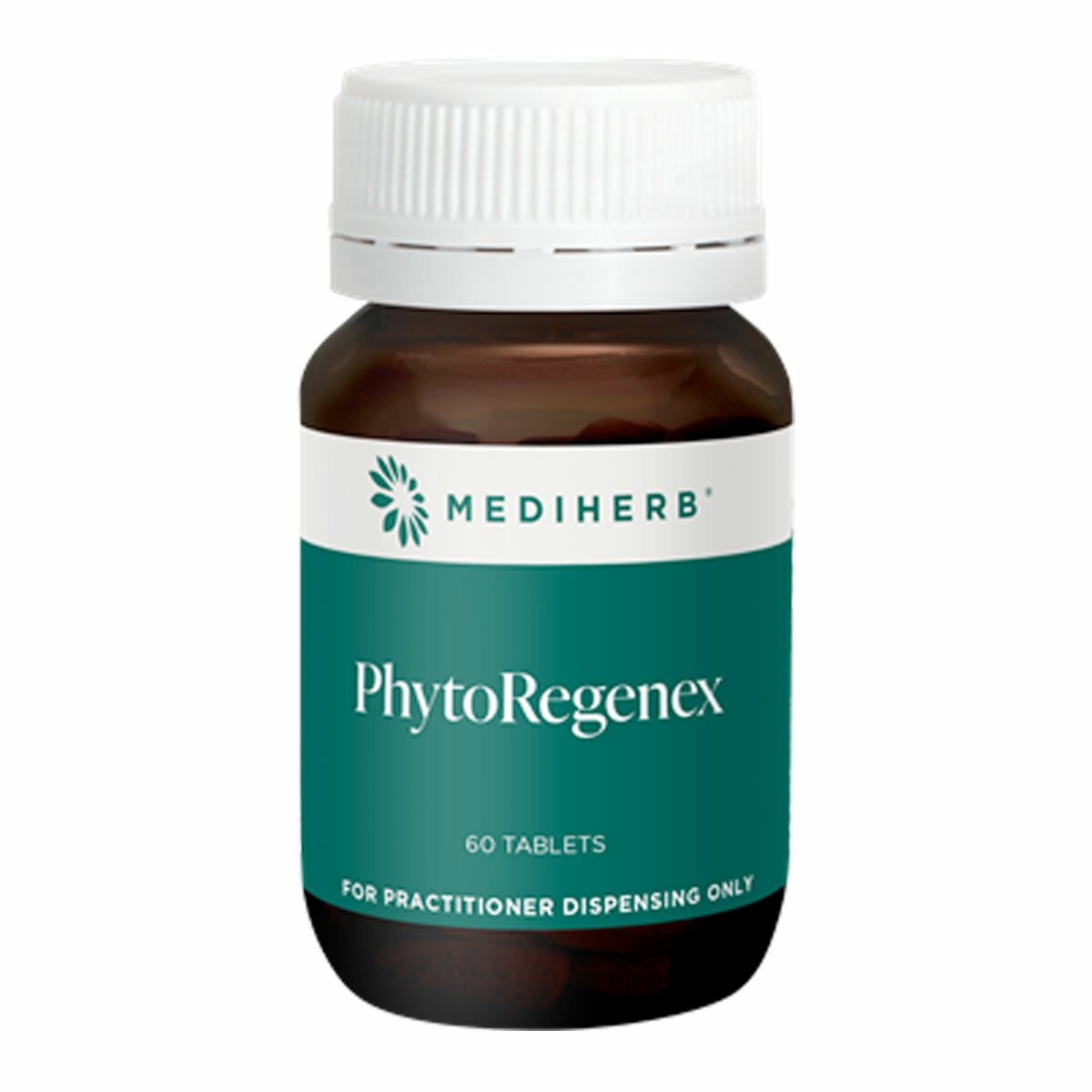
$11.68
Members Save
• Contains Panax ginseng with ginsenoside Rg1, clinically shown to promote new lymphatic vessel formation and improve drainage function in inflamed joints
• Features grape seed bioflavonoids that stabilize lymphatic membranes and prevent fluid leakage into tissues, reducing swelling and congestion
• Supports the liver and digestive system, which comprises 80% of the lymphatic network and is crucial for toxin clearance