top of page

Clinical Benefits
Clinical Benefits
Phosphatidylserine (PS), is a key phospholipid enriched within the brain that plays a critical role in dopamine synthesis and function through both structural and signaling mechanisms, including:
Integrating into neuronal dopamine membranes to support receptor activity
Stimulates tyrosine hydroxylase, the enzyme involved in dopamine synthesis
Activates protein kinase C, which supports synaptic plasticity and dopamine release
Directly binds dopamine and L-DOPA through hydrogen bonding which can facilitate dopamine reuptake
Blunts cortisol elevations, which would otherwise impair dopamine signaling
Improves dopamine availability and signaling efficiency
Improves Synaptic vesicle exocytosis / dopamine messaging
Clinically, PS supplementation of 200 mg per day for 2 months showed significant reduction in ADHD symptoms in children, particularly inattention and hyperactivity, and improved short-term auditory memory.
Further clinical studies have demonstrated that daily supplementation with 300 mg of phosphatidylserine for 3 to 6 months significantly enhances cognitive functions in elderly individuals experiencing age-related decline, specifically improving memory recall, verbal fluency, and learning ability.
Additionally, doses ranging from 200 to 600 mg per day over a 30-day period have been shown to reduce symptoms of apathy, anxiety, and low motivation. Another separate study found that 300 mg of PS daily for one month led to notable improvements in mood, concentration, and mental resilience when subjects were exposed to cognitive and emotional stressors.
[57,58,59,60]
Ingredients
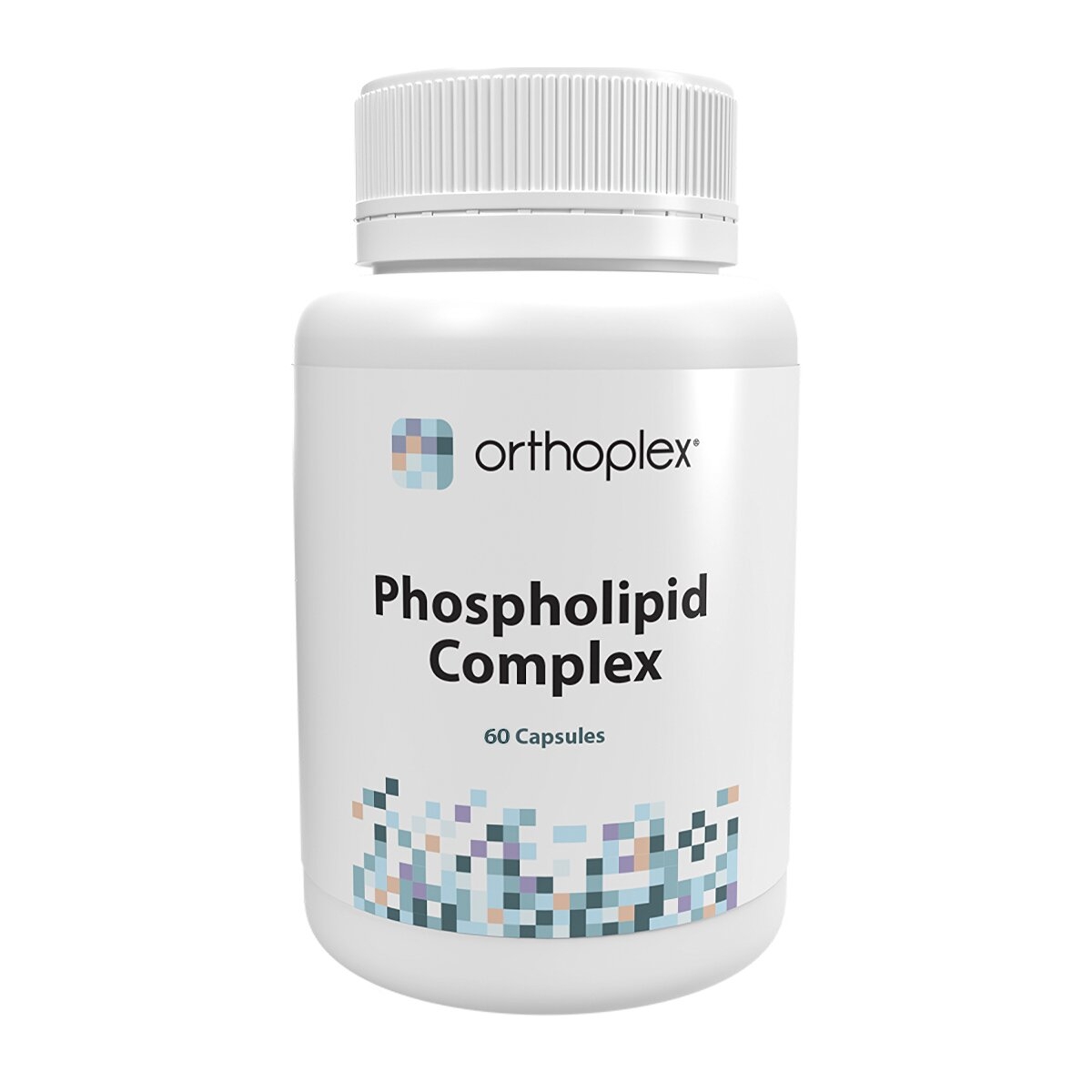
Phosphatidylserine enriched soy (powder) (Lecithin)
1000mg
equiv. Phosphatidylserine
200mg
Instructions
Instructions
Dosage
2 capsules daily
Duration
Minimum 8 weeks
Indicated for long-term management in individuals over 45 years of age
Warnings
Contains soy
Contraindications
Contraindications
Major Interactions
Moderate Interactions
Various medications used for glaucoma, Alzheimer disease, and other conditions
• Cholinergic drugs
Phosphatidylserine can increase a chemical in the body called acetylcholine. Some medications that are used for glaucoma, Alzheimer disease, and other conditions, also increase acetylcholine levels. Taking phosphatidylserine with these medications might increase the chance of side effects.
Minor Interactions
bottom of page