top of page

Clinical Benefits
Clinical Benefits
Intestinal hypomobility, characterized by reduced contractile activity in the gastrointestinal tract, affects millions worldwide and can significantly impact quality of life through symptoms like infrequent bowel movements, straining, and abdominal distension [1]. While this condition often involves complex negative feedback cycles that perpetuate the problem, targeted nutritional support can provide symptomatic relief while addressing underlying mechanisms.
Partially Hydrolyzed Guar Gum (PHGG), derived from Cyamopsis tetragonoloba, represents a clinically-validated approach to supporting digestive health through its unique fiber properties. As a low-fermentable, soluble fiber, PHGG provides natural laxative effects by improving stool water content, softness, and consistency, all of which support transit and increase bowel movement frequency while supporting ease of elimination [34]. Unlike rapidly fermentable fibers that can exacerbate gastrointestinal symptoms such as bloating and discomfort, PHGG's resistance to fermentation preserves its beneficial mechanism of action [35].
The therapeutic advantage of soluble fibers like PHGG lies in their ability to dissolve in water and create optimal conditions for healthy elimination. Research demonstrates that soluble fibers with low fermentation rates, including PHGG, encourage laxation without the problematic side effects associated with highly fermentable alternatives [35]. This makes PHGG particularly valuable for individuals experiencing the compact, hard-to-pass stools characteristic of slow colonic transit, where insoluble fibers should be limited [34].
Fiber fermentation by gut microbiota produces short-chain fatty acids (SCFAs), including butyrate, acetate, and propionate, which create osmotic load and accelerate intestinal transit [34]. However, the key to PHGG's effectiveness is its controlled fermentation profile, which provides these benefits without the excessive gas production and abdominal distension that can worsen intestinal hypomobility symptoms. Clinical understanding shows that while fiber is necessary for alleviating intestinal hypomobility, the specific type of fiber makes a crucial difference in outcomes [35].
For optimal effectiveness, adequate hydration is essential when using fiber-based interventions like PHGG. The consumption of at least eight glasses (1.5–2 L) of fluids daily is recommended to facilitate the laxative effectiveness of fiber intake, as insufficient hydration can lead to gastric obstruction and fecal impaction, potentially worsening intestinal hypomobility rather than improving it.
Ingredients
Cyamopsis tetragonoloba (Partially hydrolysed guar gum (PHGG))
4 g
Instructions
Instructions
Dosage
2 metric teaspoons once daily in water, juice or food
Duration
Long-term bowel health management
Warnings
Must be taken with a meal
Always read the label
Dietary supplements should not replace a balanced diet
If symptoms persist, worsen or change unexpectedly, consult your healthcare professional
Contraindications
Contraindications
Major Interactions
Moderate Interactions
Minor Interactions
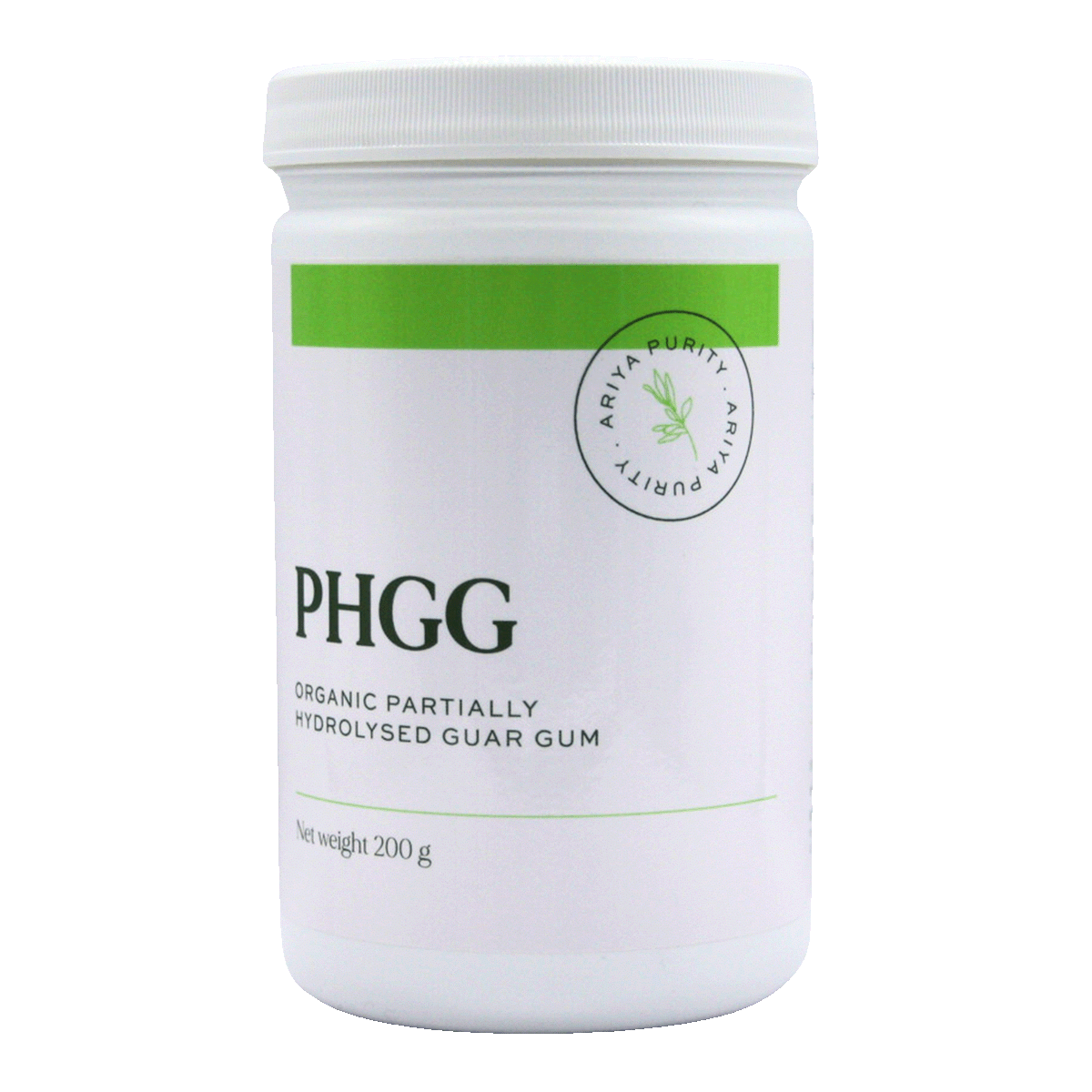
$8.41
Members Save
• Low-fermentable soluble fiber that improves stool water content and consistency for easier elimination
• Supports increased bowel movement frequency without causing excessive gas or bloating
• Creates optimal conditions for healthy transit through controlled fermentation profile
PHGG
Ariya
bottom of page