
Clinical Benefits
Clinical Benefits
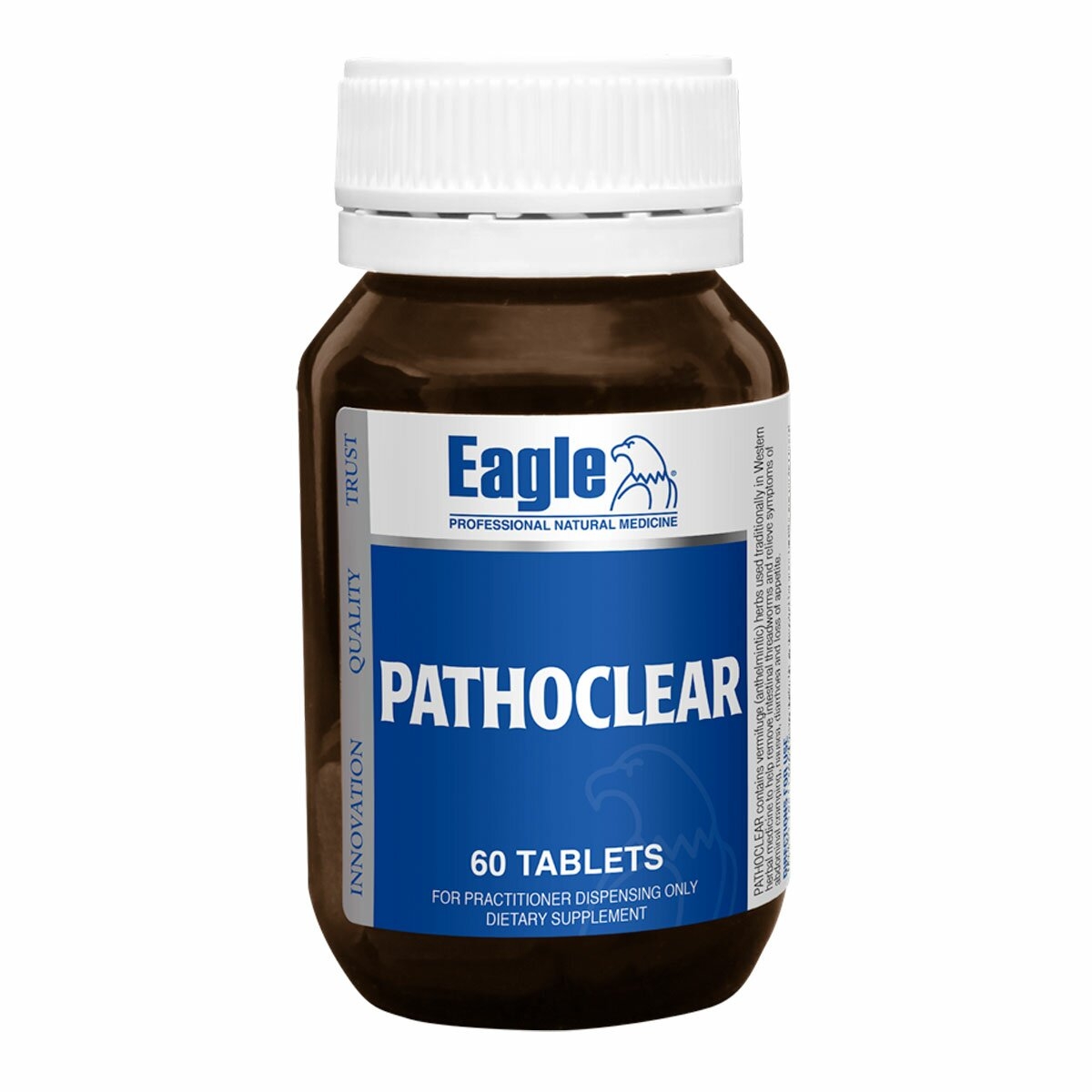
Pathoclear combines traditional herbal extracts with documented antifungal compounds to address Candida overgrowth, targeting the complex mechanisms that allow this opportunistic yeast to transform from its harmless single-cell form into problematic hyphal structures that can invade tissues and form protective biofilms.
Phellodendron amurense provides berberine, a potent alkaloid that works synergistically with garlic extract (Allium sativum) to combat fungal infections. Garlic's most important antifungal agent is ajoene, an organosulfur compound formed when garlic is chopped or crushed, bringing together allicin and alliinase. Research has found ajoene to have the strongest activity of all garlic compounds in inhibiting the growth of Candida albicans, with multiple studies showing fresh garlic markedly inhibits growth by suppressing hyphae production - the dangerous filamentous form that allows Candida to invade tissues [31][32].
Nigella sativa (Black seed) contains the active constituent thymoquinone, which has exhibited remarkable inhibitory effects against candidasis in clinical studies. Research demonstrates thymoquinone showing a 5-fold decrease in Candida populations in kidneys, 8-fold in liver, and 11-fold in spleen [59]. The mechanism works through a nitric oxide (NO)-dependent pathway, where Nigella sativa directly stimulates immune granulocytes and monocytes to generate nitric oxide, leading to excellent antifungal activity that kills Candida [60]. Microscopic analysis reveals the oil causes abnormal shaped and swelled hyphae, high vacuolation of cytoplasm, and ultimately complete destruction of plasma membrane and cellular death.
Ceylon cinnamon (Cinnamomum verum) extract and thyme oil (Thymus vulgaris) provide additional antimicrobial support, while clove oil (Syzygium aromaticum) delivers concentrated eugenol - comprising up to 90% of clove essential oil. Clinical trials demonstrate clove essential oil has a specific affinity for the ergosterol component of Candida's membrane, binding to increase membrane permeability and resulting in cell death. Furthermore, clove oil inhibits biofilm formation and adhesion, blocks toxin production, and prevents enzymes involved in Candida's ability to penetrate epithelial tissues and establish infections [58].
The remaining botanical ingredients - including berberine from Phellodendron stem bark - work through complementary pathways to support the body's natural antifungal defenses. Berberine has well-established antimicrobial properties and may help maintain healthy microbial balance in digestive and urogenital tissues.
Ingredients
Phellodendron amurense ext.
equiv. Berberine
ext. equiv. dry (stem bark)
280 mg
133 mg
5.6 g
Nigella sativa (Black seed) ext.
ext. equiv. dry (seed)
200 mg
1 g
Allium sativum (Garlic) ext.
ext. equiv. fresh (bulb)
57 mg
684 mg
Cinnamomum verum (Ceylon cinnamon) ext.
ext. equiv. dry (stem bark outer)
41.7 mg
500 mg
Thymus vulgaris (Thyme) oil
5 mg
Syzygium aromaticum (Clove) (bud) oil
5 mg
Instructions
Instructions
Dosage
1 tablet morning, 2 tablets at night
Duration
3 weeks
Warnings
Do not use if pregnant or likely to become pregnant
Not to be used in children under two years of age without medical advice
Seek medical advice if diarrhoea persists for more than: 6 hours in infants under 6 months, 12 hours in children under 3 years, 24 hours in children aged 3 - 6 years, 48 hours in adults and children over 6 years
Always read the label
Dietary supplements should not replace a balanced diet
If symptoms persist, worsen or change unexpectedly, consult your healthcare professional
Contraindications
Contraindications
This supplement may interact with the following categories of medications, as well as specific active ingredients.
• Medications changed by the liver - refer list
• Medications for diabetes
• Medications that slow blood clotting
• Estrogens
• Dextromethorphan
• Losartan
• Medications for high blood pressure
• Metformin
• Midazolam
• Pentobarbital
• Sedative medications
• Tacrolimus
• Medications for HIV/AIDS
• Saquinavir
• Sofosbuvir
• Warfarin
• Clopidogrel
• Cyclosporine
• Medications that decrease the immune system
• Medications that increase serotonin levels in the brain
• Phenytoin
• Sildenafil
• Diuretics
• Prednisolone
Further details are provided below.
Please note that medications may be sold under different brand names, so check the listed active ingredients against your medication packaging.
Major Interactions
Moderate Interactions
Medications changed by the liver
• Caffeine
• Clozapine
• Olanzapine
• Theophylline
• Tizanidine
• Duloxetine
• Ramelteon
Some medications are changed and broken down by the liver. Clove might change how quickly the liver breaks down these medications. If you are taking medications metabolised by the liver, monitor for any changes in how your medication affects you.
• Glipizide
• Phenytoin
• Losartan
• Tramadol
• Metoprolol
• Fluoxetine
• Paroxetine
• Tamoxifen
• Amitriptyline
• Atorvastatin
• Simvastatin
• Amlodipine
• Diltiazem
• Cyclosporine
• Tacrolimus
• Midazolam
• Alprazolam
• Rivaroxaban
• Some HIV antiretrovirals
Medications for diabetes
• Glyburide
• Glipizide
• Insulin
• Sitagliptin
• Empagliflozin
• Semaglutide
• Dapagliflozin
Clove might lower blood sugar levels. Taking clove along with diabetes medications might cause blood sugar to drop too low. Monitor your blood sugar closely.
Estrogens
• Oral contraceptive pill
• Estradiol
• Conjugated estrogens
• HRT combination products
Thyme might act like estrogen in the body. Taking thyme along with estrogen might decrease the effects of estrogen.
Medications that slow blood clotting
• Heparin
• Rivaroxaban
• Apixaban
• Dabigatran
• Clopidogrel
Thyme might slow blood clotting. Taking thyme along with medications that also slow blood clotting might increase the risk of bruising and bleeding.
Various medications used for glaucoma, Alzheimer disease, and other conditions
• Cholinergic drugs
Thyme can increase a chemical in the body called acetylcholine. Some medications that are used for glaucoma, Alzheimer disease, and other conditions, also increase acetylcholine levels. Taking thyme with these medications might increase the chance of side effects.
Dextromethorphan
• Robitussin DM, others
Phellodendron contains a chemical called berberine. Berberine might decrease how quickly the body breaks down dextromethorphan. This might increase the effects and side effects of dextromethorphan.
Losartan
• Cozaar
• Hyzaar
• Used for: high blood pressure, heart failure
The liver activates losartan to make it work. Phellodendron might decrease how quickly the body activates losartan, which might decrease the effects of losartan.
Some medications are changed and broken down by the liver. Phellodendron might change how quickly the liver breaks down these medications. If you are taking medications metabolised by the liver, monitor for any changes in how your medication affects you.
Phellodendron contains a chemical called berberine. Berberine might lower blood sugar levels. Taking phellodendron along with diabetes medications might cause blood sugar to drop too low. Monitor your blood sugar closely.
Medications for high blood pressure
• Amlodipine
• Ramipril
• Perindopril
• Metoprolol
• Losartan
• Hydrochlorothiazide
Phellodendron contains a chemical called berberine. Berberine might lower blood pressure. Taking phellodendron along with medications that lower blood pressure might cause blood pressure to go too low. Monitor your blood pressure closely.
Phellodendron contains a chemical called berberine. Berberine might slow blood clotting. Taking phellodendron along with medications that also slow blood clotting might increase the risk of bruising and bleeding.
Phellodendron contains a chemical called berberine. Berberine might increase the amount of metformin in the body. This may increase its effects and side effects. This interaction seems to occur when berberine is taken around 2 hours before metformin. Taking berberine and metformin at the same time doesn't seem to increase the amount of metformin in the body.
Midazolam
• Versed
The body breaks down midazolam to get rid of it. Phellodendron contains a chemical called berberine. Berberine can decrease how quickly the body breaks it down. This might increase the effects and side effects of midazolam.
Pentobarbital
• Nembutal
Pentobarbital is a medication that can cause sleepiness. Phellodendron might also cause sleepiness and drowsiness. Taking phellodendron with pentobarbital might cause too much sleepiness.
Sedative medications
• Diazepam
• Alprazolam
• Temazepam
• Zolpidem
• Zopiclone
• Promethazine
Phellodendron might cause sleepiness and slowed breathing. Some medications, called sedatives, can also cause sleepiness and slowed breathing. Taking phellodendron with sedative medications might cause breathing problems and/or too much sleepiness.
Tacrolimus
• Astagraf
• Used for: organ transplant anti-rejection
Tacrolimus is removed from the body by the liver. Phellodendron contains a chemical called berberine. Berberine might slow down the body's ability to remove tacrolimus. This might increase the effects and side effects of tacrolimus.
Isoniazid
Garlic might reduce how much isoniazid the body absorbs. This might decrease how well isoniazid works.
• Cytochrome P450 2E1 substrates
Some medications are changed and broken down by the liver. Garlic might change how quickly the liver breaks down these medications. If you are taking medications metabolised by the liver, monitor for any changes in how your medication affects you.
Medications for HIV/AIDS
• Protease inhibitors
Taking garlic might decrease the amount of HIV/AIDS medication the body can absorb. This could decrease the effects of some medications used for HIV/AIDS.
Garlic might lower blood sugar levels. Taking garlic along with diabetes medications might cause blood sugar to drop too low. Monitor your blood sugar closely.
Garlic might lower blood pressure. Taking garlic along with medications that lower blood pressure might cause blood pressure to go too low. Monitor your blood pressure closely.
Garlic might slow blood clotting. Taking garlic along with medications that also slow blood clotting might increase the risk of bruising and bleeding.
Saquinavir
• Fortovase, Invirase
Saquinavir is a medication taken for HIV. Garlic might decrease how much saquinavir goes into the blood. This might decrease the effects of saquinavir.
Sofosbuvir
• Sovaldi
Garlic might increase how quickly the body gets rid of sofosbuvir. This might decrease the effects of sofosbuvir.
Garlic might decrease how quickly the liver breaks down tacrolimus. Taking garlic with tacrolimus might increase the effects and side effects of tacrolimus.
• Jantoven
• Used for: blood thinning, clot prevention
Warfarin is used to slow blood clotting. Garlic might increase the effects of warfarin. Taking garlic along with warfarin might increase the chances of bruising and bleeding. Be sure to have your blood checked regularly. The dose of your warfarin might need to be changed.
Clopidogrel
Clopidogrel can slow blood clotting. Black seed might also slow blood clotting. Taking black seed along with clopidogrel might increase the chances of bruising and bleeding.
Cyclosporine
• Restasis
• Used for: organ transplant, autoimmune conditions
Black seed might decrease levels of cyclosporine in the blood. This might reduce how well cyclosporine is able to work.
Some medications are changed and broken down by the liver. Black seed might change how quickly the liver breaks down these medications. If you are taking medications metabolised by the liver, monitor for any changes in how your medication affects you.
Black seed might lower blood sugar levels. Taking black seed along with diabetes medications might cause blood sugar to drop too low. Monitor your blood sugar closely.
Black seed might lower blood pressure. Taking black seed along with medications that lower blood pressure might cause blood pressure to go too low. Monitor your blood pressure closely.
Medications that decrease the immune system
• Cyclosporine
• Tacrolimus
• Mycophenolate
• Prednisone
• Methotrexate
• Azathioprine
Black seed can increase the activity of the immune system. Some medications, such as those used after a transplant, decrease the activity of the immune system. Taking black seed along with these medications might decrease the effects of these medications.
Medications that increase serotonin levels in the brain
• Serotonergic Drugs
Black seed might increase a brain chemical called serotonin. Some medications also have this effect. Taking black seed along with these medications might increase serotonin too much. This might cause serious side effects including heart problems, seizures, and vomiting.
Black seed might slow blood clotting. Taking black seed along with medications that also slow blood clotting might increase the risk of bruising and bleeding.
Phenytoin
Phenytoin is used to control some types of seizures. Black seed may increase or decrease levels of phenytoin in the blood. Taking black seed with phenytoin might reduce the effects or increase the risk of having side effects to phenytoin.
Black seed might cause sleepiness and slowed breathing. Some medications, called sedatives, can also cause sleepiness and slowed breathing. Taking black seed with sedative medications might cause breathing problems and/or too much sleepiness.
Sildenafil
Black seed might reduce levels of sildenafil in the body. Taking black seed with sildenafil might reduce the effects of sildenafil.
Warfarin is used to slow blood clotting. Black seed might increase the effects of warfarin, which could increase the risk of bleeding.
Diuretics
• Diuretic drugs
Black seed can decrease potassium levels. "Diuretics" can also decrease potassium levels. Taking black seed along with "Diuretics" might make potassium levels drop too low.
Minor Interactions
Medications that slow blood clotting
• Warfarin
• Heparin
• Rivaroxaban
• Apixaban
• Dabigatran
• Aspirin
• Clopidogrel
Clove might slow blood clotting. Taking clove along with medications that also slow blood clotting might increase the risk of bruising and bleeding.
Prednisolone
Black seed might decrease levels of prednisolone in the blood. This might reduce the effects of prednisolone.
$12.81
Members Save
• Black seed oil shows 5-fold reduction in kidney Candida, 8-fold in liver, and 11-fold in spleen through nitric oxide pathways
• Garlic's ajoene compound demonstrates strongest anti-Candida activity by suppressing dangerous hyphae formation
• Clove oil's 90% eugenol content destroys Candida cell membranes and prevents biofilm formation in clinical trials