
Clinical Benefits
Clinical Benefits
Parex provides targeted support for parasitic infections caused by protozoa and helminths, utilizing clinically-researched botanical compounds that have demonstrated effectiveness against multiple species of intestinal parasites. These microscopic protozoa and visible helminths affect billions globally, causing symptoms ranging from digestive discomfort to systemic inflammation.
Artemisia annua (Chinese wormwood) contains potent antimalarial compounds that extend beyond malaria to other parasitic infections. While the specific mechanisms aren't detailed in clinical trials for intestinal parasites, this herb has been traditionally used for centuries in parasite management protocols. The active compounds in Chinese wormwood are believed to disrupt parasite cellular processes and energy production.
Punica granatum (pomegranate peel) demonstrates remarkable clinical effectiveness against multiple parasitic species. Research shows pomegranate peel extract affects parasitic structure by changing tubulin protein, leading to problems in microtubules important for parasite shape and movement [30]. Clinical studies reveal impressive results: against Blastocystis spp., pomegranate peel showed complete resolution of cyst shedding by day 10 of treatment, while for Giardia lamblia, stool cyst counts reduced by 75.6% after 20 days with an overall cure rate of 97.4% by day 28 [31]. Against Entamoeba histolytica, pomegranate demonstrated strong ability to stop parasite growth and exhibit clear damage against their cell membranes over 48 hours [32]. In helminth infections, pomegranate peel extract significantly reduced egg production in Tapeworm (Hymenolepis spp.) and showed an 82% killing rate against Roundworm (Ascaris lumbricoides) [43].
Commiphora myrrha (myrrh) enhances immune response against parasites through multiple mechanisms. Myrrh treatment has been associated with stronger immune response, characterized by early expression of IFN-γ and delayed expression of IL-10, potentially leading to faster parasite elimination [33]. The compound can disrupt microtubule-based secretory processes in parasites, potentially inhibiting enzyme release essential for their survival [34]. Clinical evidence shows myrrh extract at 10 mg per kilogram of body weight reduced Cryptosporidium egg numbers along with digestive symptoms after four weeks. A pharmaceutical preparation containing 300 mg of purified myrrh resin achieved 100% reduction in intestinal and faecal parasitic load against Giardia lamblia in animal models [31,35].
Nigella sativa (black seed) provides broad-spectrum antimicrobial support, though specific clinical trials for parasitic infections weren't detailed in the available research. Black seed oil contains thymoquinone and other bioactive compounds known for their antimicrobial and immune-supporting properties, making it a valuable addition to antiparasitic protocols.
Mentha x piperita (peppermint oil) and Juglans nigra (black walnut) round out this comprehensive formula with their traditional antiparasitic properties. Peppermint oil's menthol content provides digestive support and may help with parasite-related gastrointestinal symptoms, while black walnut hull contains juglone and tannins that have been traditionally used against various parasitic infections, particularly intestinal worms.
Ingredients
Mentha x piperita (Peppermint) oil
25 mg
Punica granatum (Pomegranate) ext.
ext. equiv. dry (fruit peel)
67 mg
3.3 g
Artemisia annua (Chinese wormwood) ext.
ext. equiv. dry (herb)
100 mg
2 g
Juglans nigra (Black walnut) ext.
ext. equiv. fresh (fruit hull)
100 mg
1 g
Nigella sativa (Black seed) ext.
ext. equiv. dry (seed)
67 mg
1 g
Commiphora myrrha ext.
ext. equiv. dry (gum oleoresin)
100 mg
1 g
Instructions
Instructions
Dosage
1 tablet morning with food, 2 tablets night with food
Duration
5 weeks
Warnings
Contains tree nut products
Always read the label
Dietary supplements should not replace a balanced diet
If symptoms persist, worsen or change unexpectedly, consult your healthcare professional
Not recommended for use by pregnant and lactating women or women likely to become pregnant
Contraindications
Contraindications
This supplement may interact with the following categories of medications, as well as specific active ingredients.
• Warfarin
• Medications changed by the liver - refer list
• Medications that can harm the liver
• Medications for high blood pressure
• Rosuvastatin
• Tolbutamide
• Clopidogrel
• Cyclosporine
• Medications for diabetes
• Medications that decrease the immune system
• Medications that increase serotonin levels in the brain
• Medications that slow blood clotting
• Phenytoin
• Sedative medications
• Sildenafil
• Diuretics
• Prednisolone
Further details are provided below.
Please note that medications may be sold under different brand names, so check the listed active ingredients against your medication packaging.
Major Interactions
Moderate Interactions
• Jantoven
• Used for: blood thinning, clot prevention
Warfarin is used to slow blood clotting. Taking myrrh might decrease how well warfarin works to slow blood clotting. This could increase the chance of blood clotting.
Medications changed by the liver
• Atorvastatin
• Simvastatin
• Amlodipine
• Diltiazem
• Cyclosporine
• Tacrolimus
• Midazolam
• Alprazolam
• Rivaroxaban
• Some HIV antiretrovirals
Some medications are changed and broken down by the liver. Sweet Annie might change how quickly the liver breaks down these medications. If you are taking medications metabolised by the liver, monitor for any changes in how your medication affects you.
Medications that can harm the liver
• Acetaminophen / Paracetamol
• Methotrexate
• Atorvastatin
• Simvastatin
• Isoniazid
Sweet Annie might harm the liver. Some medications can also harm the liver. Taking Sweet Annie along with a medication that can harm the liver might increase the risk of liver damage.
• Omeprazole
• Esomeprazole
• Clopidogrel
• Diazepam
• Escitalopram
• Sertraline
Some medications are changed and broken down by the liver. Peppermint might change how quickly the liver breaks down these medications. If you are taking medications metabolised by the liver, monitor for any changes in how your medication affects you.
• Glipizide
• Phenytoin
• Losartan
• Tramadol
• Metoprolol
• Fluoxetine
• Paroxetine
• Tamoxifen
• Amitriptyline
Some medications are changed and broken down by the liver. Pomegranate might change how quickly the liver breaks down these medications. If you are taking medications metabolised by the liver, monitor for any changes in how your medication affects you.
Medications for high blood pressure
• ACE inhibitors
Pomegranate might lower blood pressure. Taking pomegranate along with medications that lower blood pressure might cause blood pressure to go too low. Monitor your blood pressure closely.
• Amlodipine
• Ramipril
• Perindopril
• Metoprolol
• Losartan
• Hydrochlorothiazide
Rosuvastatin
Rosuvastatin is broken down by the body. Taking pomegranate might decrease how quickly the body breaks down rosuvastatin. This might increase the effects and side effects of rosuvastatin.
Warfarin is broken down by the body. Drinking pomegranate juice might decrease how quickly the body breaks down warfarin. This might increase the effects and side effects of warfarin.
Clopidogrel
Clopidogrel can slow blood clotting. Black seed might also slow blood clotting. Taking black seed along with clopidogrel might increase the chances of bruising and bleeding.
Cyclosporine
• Restasis
• Used for: organ transplant, autoimmune conditions
Black seed might decrease levels of cyclosporine in the blood. This might reduce how well cyclosporine is able to work.
Some medications are changed and broken down by the liver. Black seed might change how quickly the liver breaks down these medications. If you are taking medications metabolised by the liver, monitor for any changes in how your medication affects you.
Medications for diabetes
• Glyburide
• Glipizide
• Insulin
• Sitagliptin
• Empagliflozin
• Semaglutide
• Dapagliflozin
Black seed might lower blood sugar levels. Taking black seed along with diabetes medications might cause blood sugar to drop too low. Monitor your blood sugar closely.
Black seed might lower blood pressure. Taking black seed along with medications that lower blood pressure might cause blood pressure to go too low. Monitor your blood pressure closely.
Medications that decrease the immune system
• Cyclosporine
• Tacrolimus
• Mycophenolate
• Prednisone
• Methotrexate
• Azathioprine
Black seed can increase the activity of the immune system. Some medications, such as those used after a transplant, decrease the activity of the immune system. Taking black seed along with these medications might decrease the effects of these medications.
Medications that increase serotonin levels in the brain
• Serotonergic Drugs
Black seed might increase a brain chemical called serotonin. Some medications also have this effect. Taking black seed along with these medications might increase serotonin too much. This might cause serious side effects including heart problems, seizures, and vomiting.
Medications that slow blood clotting
• Heparin
• Rivaroxaban
• Apixaban
• Dabigatran
• Clopidogrel
Black seed might slow blood clotting. Taking black seed along with medications that also slow blood clotting might increase the risk of bruising and bleeding.
Phenytoin
Phenytoin is used to control some types of seizures. Black seed may increase or decrease levels of phenytoin in the blood. Taking black seed with phenytoin might reduce the effects or increase the risk of having side effects to phenytoin.
Sedative medications
• Diazepam
• Alprazolam
• Temazepam
• Zolpidem
• Zopiclone
• Promethazine
Black seed might cause sleepiness and slowed breathing. Some medications, called sedatives, can also cause sleepiness and slowed breathing. Taking black seed with sedative medications might cause breathing problems and/or too much sleepiness.
Sildenafil
Black seed might reduce levels of sildenafil in the body. Taking black seed with sildenafil might reduce the effects of sildenafil.
Warfarin is used to slow blood clotting. Black seed might increase the effects of warfarin, which could increase the risk of bleeding.
Diuretics
• Diuretic drugs
Black seed can decrease potassium levels. "Diuretics" can also decrease potassium levels. Taking black seed along with "Diuretics" might make potassium levels drop too low.
Minor Interactions
Medications changed by the liver
• Caffeine
• Clozapine
• Olanzapine
• Theophylline
• Tizanidine
• Duloxetine
• Ramelteon
Some medications are changed and broken down by the liver. Peppermint might change how quickly the liver breaks down these medications. If you are taking medications metabolised by the liver, monitor for any changes in how your medication affects you.
• Warfarin
• Ibuprofen
• Diclofenac
• Glipizide
• Phenytoin
• Losartan
• Celecoxib
Some medications are changed and broken down by the liver. Pomegranate might change how quickly the liver breaks down these medications. If you are taking medications metabolised by the liver, monitor for any changes in how your medication affects you.
Tolbutamide
• Orinase
Tolbutamide is broken down by the body. Taking pomegranate might decrease how quickly the body breaks down tolbutamide. This might increase the effects and side effects of tolbutamide.
Prednisolone
Black seed might decrease levels of prednisolone in the blood. This might reduce the effects of prednisolone.
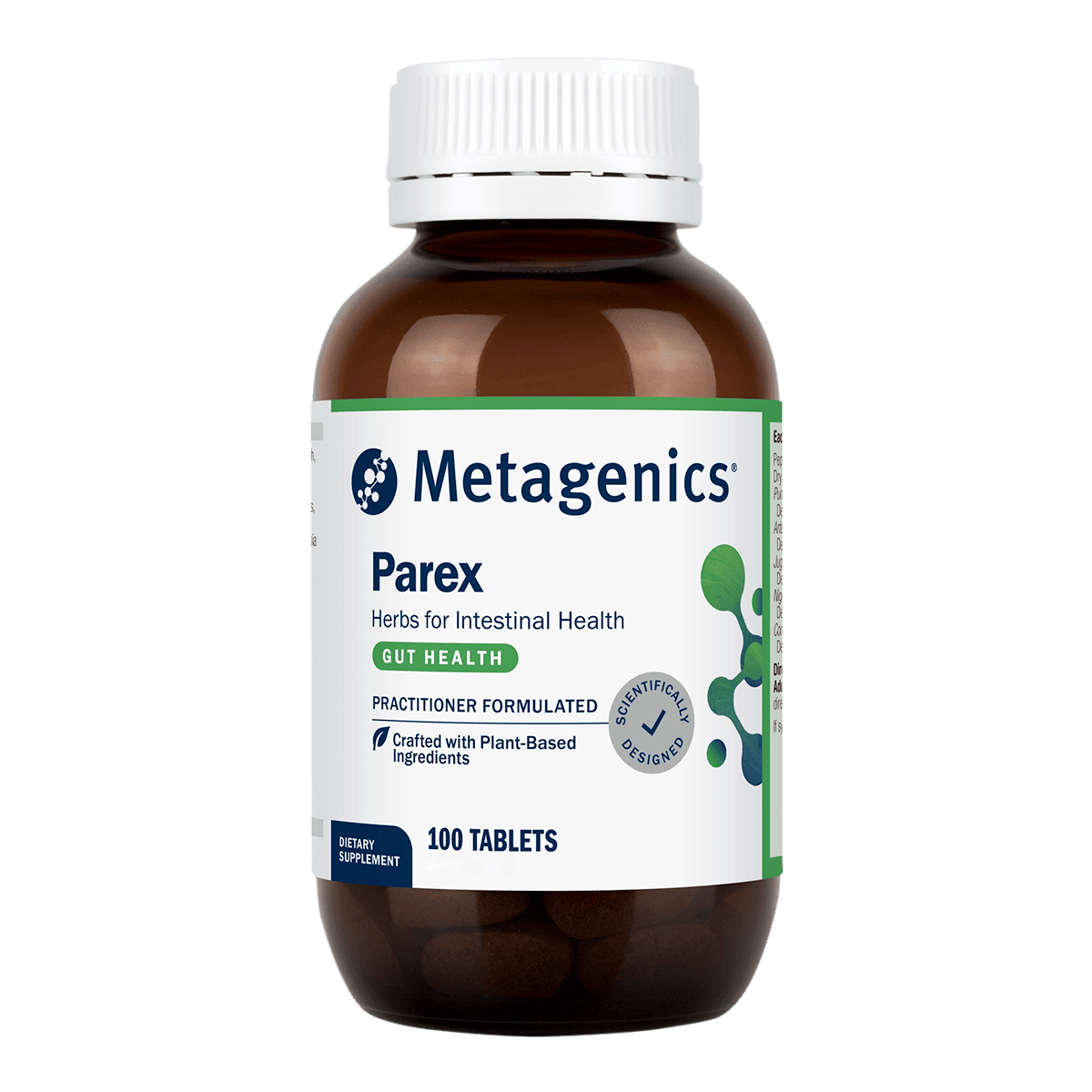
$14.78
Members Save
• Pomegranate peel achieves 97.4% cure rate against Giardia lamblia and complete Blastocystis cyst clearance by day 10
• Myrrh extract reduces Cryptosporidium parasite load while enhancing immune response through IFN-γ activation
• Clinical studies show 82% effectiveness against roundworm and significant reduction in tapeworm egg production