
Clinical Benefits
Clinical Benefits
Heavy metals like mercury, cadmium, lead, and arsenic accumulate in tissues throughout the body due to repeated exposure and limited natural excretion pathways. These toxic metals bind to proteins in the brain, liver, kidneys, and bones, generating oxidative stress and disrupting cellular function, ultimately contributing to neurological disorders, immune dysfunction, and systemic health issues. Supporting the body's natural detoxification systems through targeted nutrition becomes essential for mobilizing and eliminating these harmful substances.
Spirulina (Arthrospira platensis) demonstrates remarkable heavy metal binding capabilities through its unique polysaccharides and ferredoxin proteins, which contain carboxyl, hydroxyl, and amino clusters that form stable complexes with toxic metals [91]. In laboratory studies using human neuroblastoma cells exposed to heavy metals, a 25% spirulina extract solution provided a 108% improvement in cell health against cadmium and 100% improvement against lead toxicity over 48 hours [41]. Animal research further confirms spirulina's protective effects, where dietary supplementation with just 0.1% spirulina for two weeks significantly reduced cadmium levels in liver and kidney tissues while restoring glutathione levels and normalizing organ function markers [59].
Chlorella pyrenoidosa offers complementary detoxification support through its fibrous cell wall containing polysaccharides, peptidoglycans, and metal-binding functional groups like carboxyl, hydroxyl, and amine compounds. In controlled studies, chlorella demonstrated impressive metal removal rates, eliminating 90% of cadmium and 92% of lead from contaminated water within seven days of exposure [28]. Animal research shows even more compelling results, with rats receiving 5% dietary chlorella for 30 days achieving blood lead levels below control groups, significantly reduced metal accumulation in kidneys and liver, and complete restoration of memory performance [8]. Additional studies confirm chlorella's ability to remove 100% of arsenic [75] and markedly decrease whole-body mercury retention, including in brain tissue [46].
Kale (Brassica oleracea var. acephala) and broccoli (Brassica oleracea var. italica) provide crucial support through their high glucoraphanin content, which converts to sulforaphane in the body using the enzyme myrosinase. Sulforaphane strongly activates the Nrf2 pathway, triggering production of metallothioneins (MTs) - specialized proteins that bind and transport heavy metals for elimination [101]. Clinical studies demonstrate that while 403 mg of sulforaphane can increase metallothioneins by 10-fold, even 160 mg of glucoraphanin can achieve a 2-fold increase in these essential metal-binding proteins. With one cup of kale providing 67 mg of glucoraphanin, regular consumption of these cruciferous vegetables offers meaningful support for the body's metal detoxification capacity [101].
Barley (Hordeum vulgare) and wheatgrass provide essential nutritional cofactors that support the liver's primary detoxification pathways. The glutathionation pathway, which binds metals like mercury, cadmium, arsenic, and lead to glutathione for safe elimination, relies on nutrients including glycine, cysteine, vitamin C, zinc, and magnesium. The methylation pathway, particularly important for arsenic and mercury detoxification, requires B vitamins (B6, B9, B12), magnesium, and methionine to attach methyl groups that enhance metal excretion via bile or urine [95]. These grasses provide concentrated sources of these critical nutrients needed for optimal liver detoxification function.
[8]>https://www.mdpi.com/2305-6304/13/4/313
[28]>https://www.mdpi.com/2571-8797/7/2/35
[41]>https://pmc.ncbi.nlm.nih.gov/articles/PMC10707235/
[46]>https://link.springer.com/article/10.1007/s10811-020-02052-0
[59]>https://pubmed.ncbi.nlm.nih.gov/21455421/
[75]>https://pmc.ncbi.nlm.nih.gov/articles/PMC10222016/
[91]>https://www.mdpi.com/2073-4441/15/22/3962
[95]>https://www.sciencedirect.com/science/article/abs/pii/S0166445X98001167
[101]>https://pmc.ncbi.nlm.nih.gov/articles/PMC4488002/#B192
Ingredients
Arthrospira platensis (Spirulina)
1.24 g
Brassica oleracea var. acephala (leaf) powder (Kale)
870 mg
Brassica oleracea var. italica (Broccoli)
870 mg
Hordeum vulgare (Barley)
870 mg
Wheatgrass powder
870 mg
Chlorella pyrenoidosa powder
250 mg
Instructions
Instructions
Dosage
1 heaped teaspoon into smoothie, juice or water
Duration
4 weeks
Warnings
Dietary supplements should not replace a balanced diet
If symptoms persist, worsen or change unexpectedly, consult your healthcare professional
Contraindications
Contraindications
This supplement may interact with the following categories of medications, as well as specific active ingredients.
• Triclabendazone
• Warfarin
Further details are provided below.
Please note that medications may be sold under different brand names, so check the listed active ingredients against your medication packaging.
Major Interactions
Moderate Interactions
Triclabendazone
• Egaten
Theoretically, barley might decrease the clinical effects of triclabendazole.
Animal research suggests that a diet supplemented with barley can reduce the bioavailability of triclabendazole when taken concomitantly. This effect has not been shown in humans.
• Jantoven
• Used for: blood thinning, clot prevention
Chlorella contains large amounts of vitamin K. Vitamin K is used by the body to help the blood clot. Warfarin is used to slow blood clotting. Chlorella might decrease the effects of warfarin. Be sure to have your blood checked regularly. The dose of your warfarin might need to be changed.
Minor Interactions
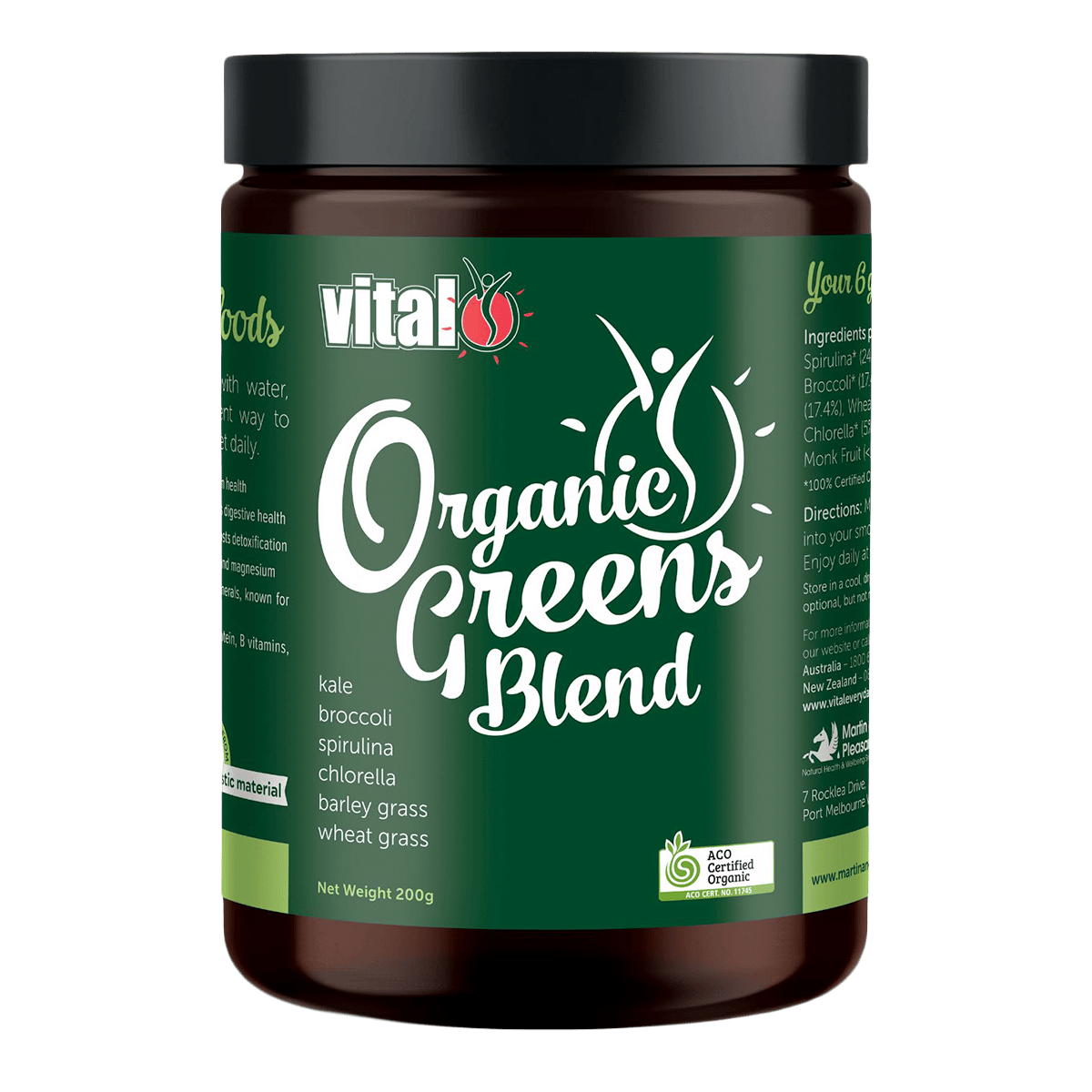
$9.34
Members Save
• Spirulina provides 108% improvement in cellular protection against cadmium toxicity and 100% against lead in laboratory studies
• Chlorella removes 90% of cadmium and 92% of lead from contaminated systems while reducing metal accumulation in organs
• Kale and broccoli's glucoraphanin increases metallothionein production by 2-10 fold, enhancing the body's natural metal-binding capacity