
Clinical Benefits
Clinical Benefits
Omega Brain Plus provides targeted nutritional support for optimal dopamine function, addressing the complex neurochemical imbalances that contribute to dopamine deficiency. This comprehensive formula combines omega-3 fatty acids, phospholipids, and essential vitamins to support both dopamine synthesis and transport throughout the brain and body.
The omega-3 fatty acids EPA and DHA serve as crucial structural components of neuronal membranes, with DHA being particularly important for dopaminergic neuron development and survival. DHA deficiency has been directly linked to reduced tyrosine hydroxylase (the enzyme involved in dopamine synthesis), decreased D2 dopamine receptor density, increased oxidative stress in dopamine-producing areas, and reduced dopamine receptor sensitivity [62,63]. By providing these essential fatty acids, Omega Brain Plus helps maintain the structural integrity needed for optimal dopamine neuron function and gene expression, including key proteins like the dopamine transporter (DAT).
Phosphatidylserine (PS), derived from the soy component, plays a critical role in dopamine synthesis and function through multiple mechanisms. PS integrates into neuronal dopamine membranes to support receptor activity, stimulates tyrosine hydroxylase enzyme activity, and directly binds dopamine and L-DOPA to facilitate dopamine reuptake [57,58]. Clinical studies demonstrate that PS supplementation of 200 mg per day for 2 months showed significant reduction in ADHD symptoms, particularly inattention and hyperactivity, while 300 mg daily for 3-6 months enhanced cognitive functions in elderly individuals, improving memory recall, verbal fluency, and learning ability [59,60]. Additionally, doses of 200-600 mg per day over 30 days reduced symptoms of apathy, anxiety, and low motivation.
The inclusion of Vitamin D3 (cholecalciferol) provides additional neurological support, as vitamin D receptors are found throughout the brain and play important roles in neurotransmitter regulation and neuroprotection. While not specifically detailed in the dopamine research, vitamin D deficiency has been associated with various neurological and mood disorders. The tocotrienol complex from palm (Vitamin E) offers potent antioxidant protection, helping to prevent oxidative damage to dopamine-producing neurons and maintaining the integrity of dopamine pathways.
Lecithin, providing phosphatidylcholine, supports overall brain health and neurotransmitter function. Though not specifically mentioned in the dopamine research, phosphatidylcholine is a precursor to acetylcholine, and studies show that poor memory should be treated simultaneously with both dopamine support and choline supplementation, as low dopamine coupled with low acetylcholine has a much more significant negative effect on memory than either deficiency alone [15,16]. This makes the inclusion of lecithin particularly valuable for comprehensive cognitive support in the context of dopamine deficiency.
[15]>https://pmc.ncbi.nlm.nih.gov/articles/PMC6333779/
[16]>https://pmc.ncbi.nlm.nih.gov/articles/PMC3529349/
[57]>https://pmc.ncbi.nlm.nih.gov/articles/PMC9382310/
[58]>https://www.biomedica.com.au/media/contentmanager/content/Cognition_Technical_Sheet.pdf
[59]>https://onlinelibrary.wiley.com/doi/10.1111/jhn.12090
[60]>https://www.sciencedirect.com/science/article/pii/S2590259823000328
Ingredients
Total Omega 3
2.3 g
Eicosapentaenoic acid (EPA)
346 mg
Docosahexaenoic acid (DHA)
1.2 g
Lecithin
equiv. Phosphatidylcholine
1.5 g
520 mg
Phosphatidylserine enriched soy
equiv. Phosphatidylserine
750 mg
150 mg
Tocotrienols complex - palm (Vitamin E)
160 mg
Cholecalciferol (Vitamin D3)
equiv. Vitamin D3
12.5 μg
500 IU
Instructions
Instructions
Dosage
1 metric teaspoon (5 mL) twice daily
Duration
Minimum 6 weeks
Suitable for long-term support of dopamine deficiency or general cognitive function
Warnings
Refrigerate after opening
Always read the label
Dietary supplements should not replace a balanced diet
If symptoms persist, worsen or change unexpectedly, consult your healthcare professional
Contraindications
Contraindications
This supplement may interact with the following categories of medications, as well as specific active ingredients.
• Medications for high blood pressure
• Medications that slow blood clotting
• Atorvastatin
• Calcipotriene
• Digoxin
• Diltiazem
• Verapamil
• Diuretics
• Medications changed by the liver - refer list
• Cyclosporine
• Medications for cancer
• Selumetinib
• Warfarin
Further details are provided below.
Please note that medications may be sold under different brand names, so check the listed active ingredients against your medication packaging.
Major Interactions
No drug interactions found on vital.ly
Moderate Interactions
Medications for high blood pressure
• Amlodipine
• Ramipril
• Perindopril
• Metoprolol
• Losartan
• Hydrochlorothiazide
DHA might lower blood pressure. Taking DHA along with medications that lower blood pressure might cause blood pressure to go too low. Monitor your blood pressure closely.
Medications that slow blood clotting
• Heparin
• Rivaroxaban
• Apixaban
• Dabigatran
• Clopidogrel
Taking DHA might slow blood clotting. Taking DHA along with medications that also slow blood clotting might increase the risk of bruising and bleeding.
EPA might slow blood clotting. Taking EPA along with medications that also slow blood clotting might increase the risk of bruising and bleeding.
Various medications used for glaucoma, Alzheimer disease, and other conditions
• Cholinergic drugs
Phosphatidylserine can increase a chemical in the body called acetylcholine. Some medications that are used for glaucoma, Alzheimer disease, and other conditions, also increase acetylcholine levels. Taking phosphatidylserine with these medications might increase the chance of side effects.
Atorvastatin
Vitamin D might decrease how much atorvastatin the body absorbs. Taking vitamin D with atorvastatin might decrease the effects of atorvastatin.
Calcipotriene
• Dovonex
Taking vitamin D along with calcipotriene might increase the effects and side effects of calcipotriene.
• Used for: heart failure, atrial fibrillation
Taking vitamin D along with digoxin might increase the effects and side effects of digoxin. If you are taking digoxin, talk to your doctor before taking vitamin D supplements.
Diltiazem
• Cardizem, others
Vitamin D helps your body absorb calcium. Calcium can affect the heart. Diltiazem can also affect the heart. Taking large amounts of vitamin D along with diltiazem might decrease the effects of diltiazem.
Verapamil
• Calan, others
Vitamin D helps the body absorb calcium. Calcium can affect the heart. Verapamil can also affect the heart. Do not take large amounts of vitamin D if you are taking verapamil.
Diuretics
• Thiazide diuretics
Vitamin D helps the body absorb calcium. Some "Diuretics" increase the amount of calcium in the body. Taking large amounts of vitamin D along with some "Diuretics" might cause too much calcium in the body. This could cause serious side effects, including kidney problems.
Cyclosporine
• Restasis
• Used for: organ transplant, autoimmune conditions
Taking large amounts of vitamin E along with cyclosporine might increase how much cyclosporine the body absorbs. This might increase the effects and side effects of cyclosporine.
Medications changed by the liver
• Atorvastatin
• Simvastatin
• Amlodipine
• Diltiazem
• Cyclosporine
• Tacrolimus
• Midazolam
• Alprazolam
• Rivaroxaban
• Some HIV antiretrovirals
Some medications are changed and broken down by the liver. Vitamin E might change how quickly the liver breaks down these medications. If you are taking medications metabolised by the liver, monitor for any changes in how your medication affects you.
Medications for cancer
• Cyclophosphamide
• Chlorambucil
• Melphalan
• Busulfan
• Temozolomide
Vitamin E is an antioxidant. There is some concern that antioxidants might decrease the effects of some medications used for cancer. If you are taking medications for cancer, check with your healthcare provider before taking vitamin E.
Vitamin E might slow blood clotting. Taking vitamin E along with medications that also slow blood clotting might increase the risk of bruising and bleeding.
Niacin
Taking niacin along with the drug simvastatin can increase good cholesterol levels. Taking niacin plus simvastatin along with vitamin E and other antioxidants can decrease the effects of niacin and simvastatin on good cholesterol levels. It is unknown if vitamin E alone decreases the effects of niacin plus simvastatin on good cholesterol levels.
Selumetinib
• Koselugo
Selumetinib, a drug used for cancer, contains vitamin E. Taking selumetinib with vitamin E-containing supplements can result in an unsafe dose of vitamin E. This could increase the risk of bleeding.
• Jantoven
• Used for: blood thinning, clot prevention
Warfarin is used to slow blood clotting. Vitamin E can also slow blood clotting. Taking vitamin E along with warfarin can increase the chances of bruising and bleeding. Be sure to have your blood checked regularly. The dose of your warfarin might need to be changed.
Minor Interactions
Medications changed by the liver
• Atorvastatin
• Simvastatin
• Amlodipine
• Diltiazem
• Cyclosporine
• Tacrolimus
• Midazolam
• Alprazolam
• Rivaroxaban
• Some HIV antiretrovirals
Some medications are changed and broken down by the liver. Vitamin D might change how quickly the liver breaks down these medications. If you are taking medications metabolised by the liver, monitor for any changes in how your medication affects you.
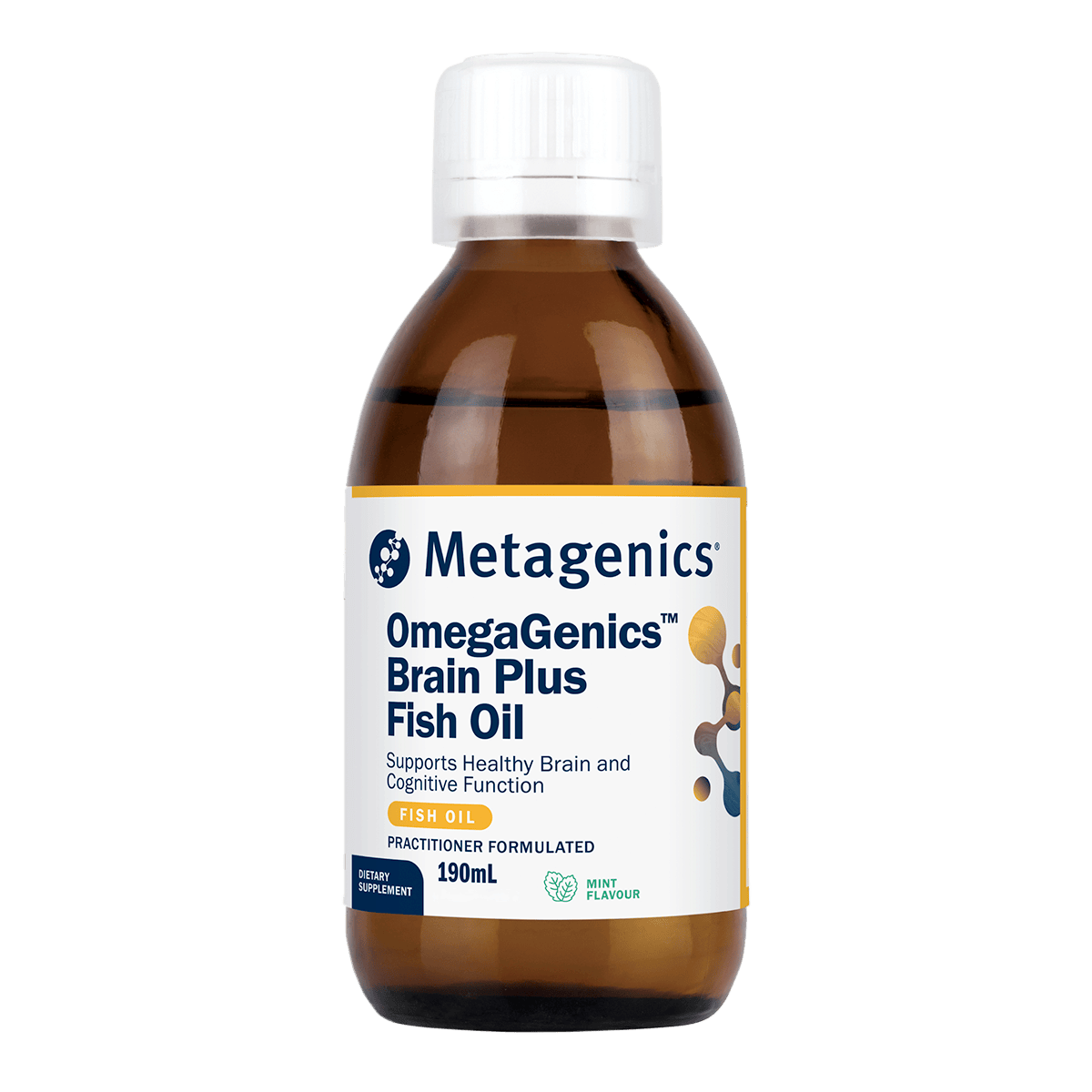
$29.83
Members Save
• DHA supports dopamine neuron development and prevents deficiency-related reductions in dopamine synthesis enzymes and receptor density
• Phosphatidylserine supplementation (200mg daily) significantly reduced ADHD symptoms including inattention and hyperactivity in clinical trials
• PS enhances cognitive function in elderly individuals, improving memory recall, verbal fluency and learning ability over 3-6 months