
Clinical Benefits
Clinical Benefits
Circadian disruption affects millions of people worldwide, causing delayed sleep onset, fragmented sleep, and daytime fatigue. NeuroCalm Sleep combines five scientifically-backed botanicals that target the underlying mechanisms of circadian rhythm dysfunction, working to restore natural melatonin production and enhance sleep architecture.
Passiflora incarnata (Passionflower) emerges as one of the most comprehensively studied herbal sleep aids, demonstrating remarkable effects on both sleep initiation and maintenance. Clinical research shows passionflower works through multiple pathways, promoting calretinin activity that helps GABAergic interneurons fire more rhythmically, which fine-tunes neural inhibitory signaling and promotes deep NREM sleep [40]. The herb also increases both serum serotonin and melatonin levels by enhancing tryptophan uptake toward serotonin synthesis, while its mild MAO inhibitory effects slow serotonin breakdown [40]. In a human study of 65 individuals with stress and sleep disturbances, 600 mg daily of passionflower improved sleep efficiency by 11% after 30 days and reduced sleep onset latency from 72 minutes to 42 minutes [43]. Animal studies show even more dramatic results, with rats experiencing a 49% increase in melatonin levels after administration [42].
Ziziphus jujuba var. spinosa (Zizyphus) seed extract has been traditionally used for sleep disorders and works synergistically with the other botanicals. While specific mechanisms weren't detailed in the circadian disruption document, this herb is well-established for its sedative and anxiolytic properties, helping to calm mental chatter that often prevents sleep onset.
Eschscholzia californica (California poppy) contains alkaloids that provide gentle sedative effects without the dependency risks of pharmaceutical sleep aids. Though not specifically covered in the circadian disruption research, California poppy is recognized for its ability to reduce anxiety and promote restful sleep through mild GABA receptor modulation.
Piscidia piscipula (Jamaican dogwood) rounds out the botanical complex with its traditional use as a natural sedative and pain reliever. While not detailed in the circadian document, this herb has historically been valued for its ability to ease both physical discomfort and mental tension that can interfere with sleep quality.
Lavandula angustifolia (Lavender) essential oil completes the formulation with its well-established aromatherapeutic and direct physiological benefits. Though not covered in the circadian disruption document, lavender is extensively researched for its ability to reduce cortisol levels, lower heart rate, and activate the parasympathetic nervous system, creating optimal conditions for sleep onset and maintenance.
Ingredients
Lavandula angustifolia (Lavender) (flower) essential oil
40 mg
Ziziphus jujuba var. spinosa (Zizyphus) ext.
ext. equiv. dry (seed)
278 mg
5 g
Passiflora incarnata (Passionflower) ext.
ext. equiv. dry (herb)
364 mg
2 g
Eschscholzia californica (Californian poppy) ext.
ext. equiv. dry (herb flowering)
125 mg
750 mg
Piscidia piscipula (Jamaican dogwood) ext.
ext. equiv. dry (stem bark)
188 mg
750 mg
Instructions
Instructions
Dosage
2 tablets 1 hour before bed
Duration
Suitable for long-term sleep support, with dosing adjusted according to symptoms
Warnings
Always read the label
Dietary supplements should not replace a balanced diet
If symptoms persist, worsen or change unexpectedly, consult your healthcare professional
Contraindications
Contraindications
This supplement may interact with the following categories of medications, as well as specific active ingredients.
• Sedative medications
• Medications moved by pumps in cells - refer list
• Medications for diabetes
Further details are provided below.
Please note that medications may be sold under different brand names, so check the listed active ingredients against your medication packaging.
Major Interactions
No drug interactions found on vital.ly
Moderate Interactions
CNS Depressants
Theoretically, taking California poppy with drugs with sedative effects may increase the risk of sedative effects.
Sedative medications
• Diazepam
• Alprazolam
• Temazepam
• Zolpidem
• Zopiclone
• Promethazine
Passion flower might cause sleepiness and slowed breathing. Some medications, called sedatives, can also cause sleepiness and slowed breathing. Taking passion flower with sedative medications might cause breathing problems and/or too much sleepiness.
Medications for diabetes
• Glyburide
• Glipizide
• Insulin
• Sitagliptin
• Empagliflozin
• Semaglutide
• Dapagliflozin
Zizyphus might lower blood sugar levels. Taking zizyphus along with diabetes medications might cause blood sugar to drop too low. Monitor your blood sugar closely.
Zizyphus might cause sleepiness and slowed breathing. Some medications, called sedatives, can also cause sleepiness and slowed breathing. Taking zizyphus with sedative medications might cause breathing problems and/or too much sleepiness.
Minor Interactions
Medications moved by pumps in cells
• Rosuvastatin
• Atorvastatin
• Simvastatin
• Methotrexate
• Fexofenadine
• Levothyroxine
Some medications are moved in and out of cells by pumps. Passion flower might change how these pumps work and change how much medication stays in the body. In some cases, this might change the effects and side effects of a medication.
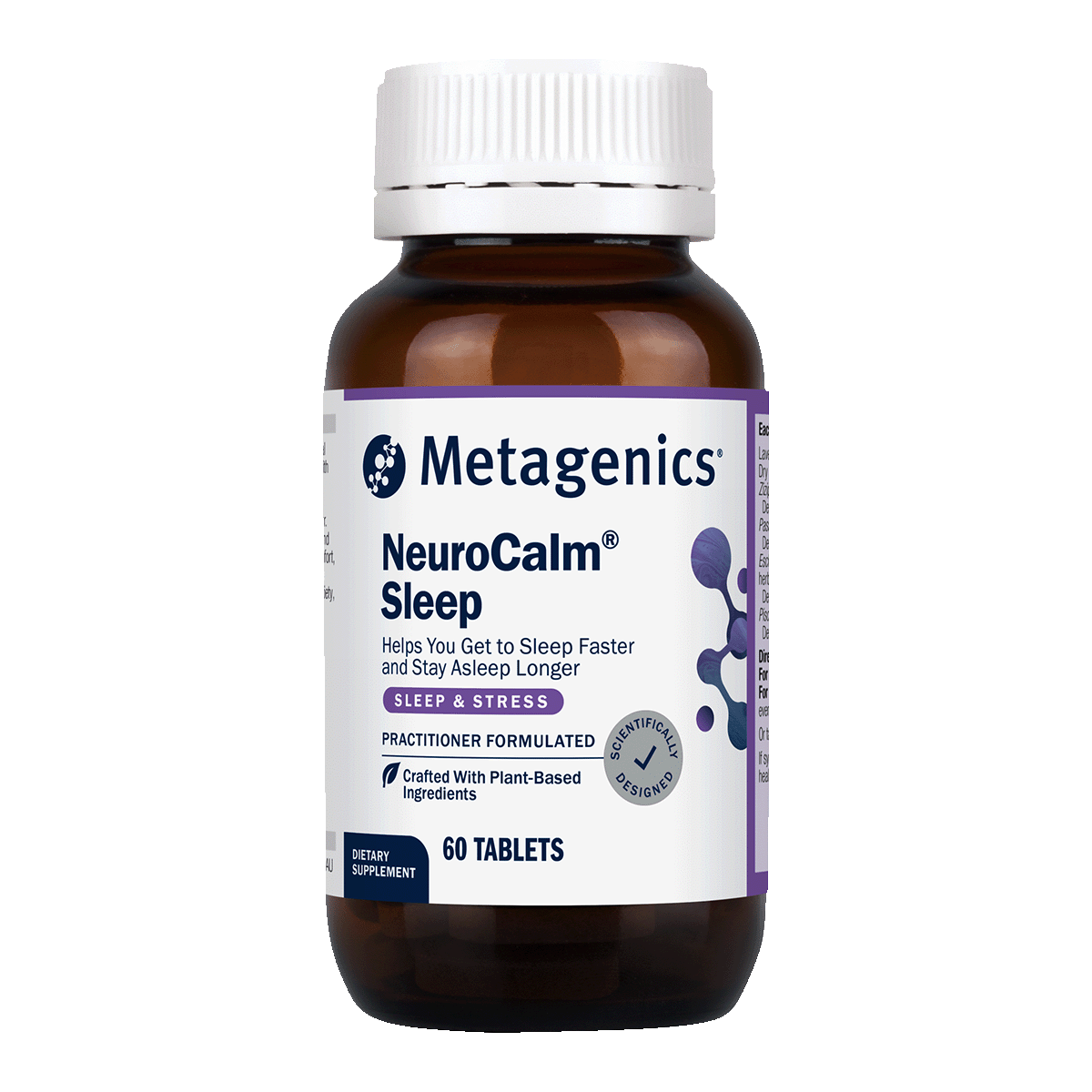
$16.33
Members Save
• Passionflower increases melatonin levels by 49% and reduces sleep onset time from 72 to 42 minutes in clinical trials
• Multiple botanicals target GABA and serotonin pathways to promote deeper, more restorative sleep stages
• Formula addresses circadian disruption through enhanced natural melatonin production rather than synthetic supplementation