
Clinical Benefits
Clinical Benefits
Biofilms are organized communities of bacteria and fungi that create protective barriers around themselves, making infections up to 1000 times more resistant to treatments [2]. These microbial shields are implicated in 80% of chronic infections and contribute to persistent conditions ranging from recurrent UTIs to chronic digestive disorders [2]. N-Acetylcysteine (NAC) offers a scientifically-backed approach to disrupting these stubborn bacterial communities.
N-Acetylcysteine works as a powerful biofilm disruptor by breaking the disulfide bonds that stabilize the extracellular polymeric substance (EPS) matrix - the protective slime layer that shields bacteria from immune cells and antibiotics. By cutting these chemical bridges, NAC loosens the biofilm structure, exposing hidden bacteria to both immune system attack and antimicrobial treatments. This dual action makes previously treatment-resistant infections more manageable and helps restore the body's natural ability to clear persistent pathogens.
Beyond its biofilm-disrupting properties, NAC functions as a potent antioxidant that boosts glutathione production in infected tissues. This is particularly important because chronic biofilm infections create ongoing oxidative stress and inflammation, which can actually encourage further biofilm formation. By reducing this oxidative damage, NAC helps break the cycle of tissue damage that allows biofilms to establish and persist in the body.
Clinical studies demonstrate NAC's effectiveness in improving mucus clearance and reducing biofilm-related infections, particularly in respiratory conditions where thick biofilms can block airways and harbor persistent bacteria. The compound's ability to thin mucus while simultaneously weakening biofilm structures makes it especially valuable for addressing chronic respiratory infections that have become resistant to conventional treatments.
This targeted approach to biofilm disruption represents a crucial strategy for managing chronic infections that have failed to respond to standard antimicrobial therapy, offering hope for conditions where biofilm formation has created a protective sanctuary for pathogenic microorganisms.
Ingredients
N-acetylcysteine (NAC)
945 mg
Instructions
Instructions
Dosage
2 level scoops (2 g) once daily in water
Duration
5 weeks
Warnings
Suitable in pregnancy until 36 weeks gestation; not recommended during lactation
After 36 weeks gestation please consult your health professional prior to use
Always read the label
Dietary supplements should not replace a balanced diet
If symptoms persist, worsen or change unexpectedly, consult your healthcare professional
Contraindications
Contraindications
This supplement may interact with the following categories of medications, as well as specific active ingredients.
• Chloroquine
• Medications for high blood pressure
• Medications that slow blood clotting
Further details are provided below.
Please note that medications may be sold under different brand names, so check the listed active ingredients against your medication packaging.
Major Interactions
Nitroglycerin
Nitroglycerin can dilate blood vessels and increase blood flow. Taking N-acetyl cysteine seems to increase the effects of nitroglycerin. This could increase the risk for side effects including headache, dizziness, and lightheadedness.
Moderate Interactions
Chloroquine
• Aralen
Chloroquine is a drug used to treat malaria. N-acetyl cysteine might reduce the effects of chloroquine against malaria.
Medications for high blood pressure
• Amlodipine
• Ramipril
• Perindopril
• Metoprolol
• Losartan
• Hydrochlorothiazide
N-acetyl cysteine might lower blood pressure. Taking N-acetyl cysteine along with medications that lower blood pressure might cause blood pressure to go too low. Monitor your blood pressure closely.
Medications that slow blood clotting
• Heparin
• Rivaroxaban
• Apixaban
• Dabigatran
• Clopidogrel
N-acetyl cysteine might slow blood clotting. Taking N-acetyl cysteine along with medications that also slow blood clotting might increase the risk of bruising and bleeding.
Minor Interactions
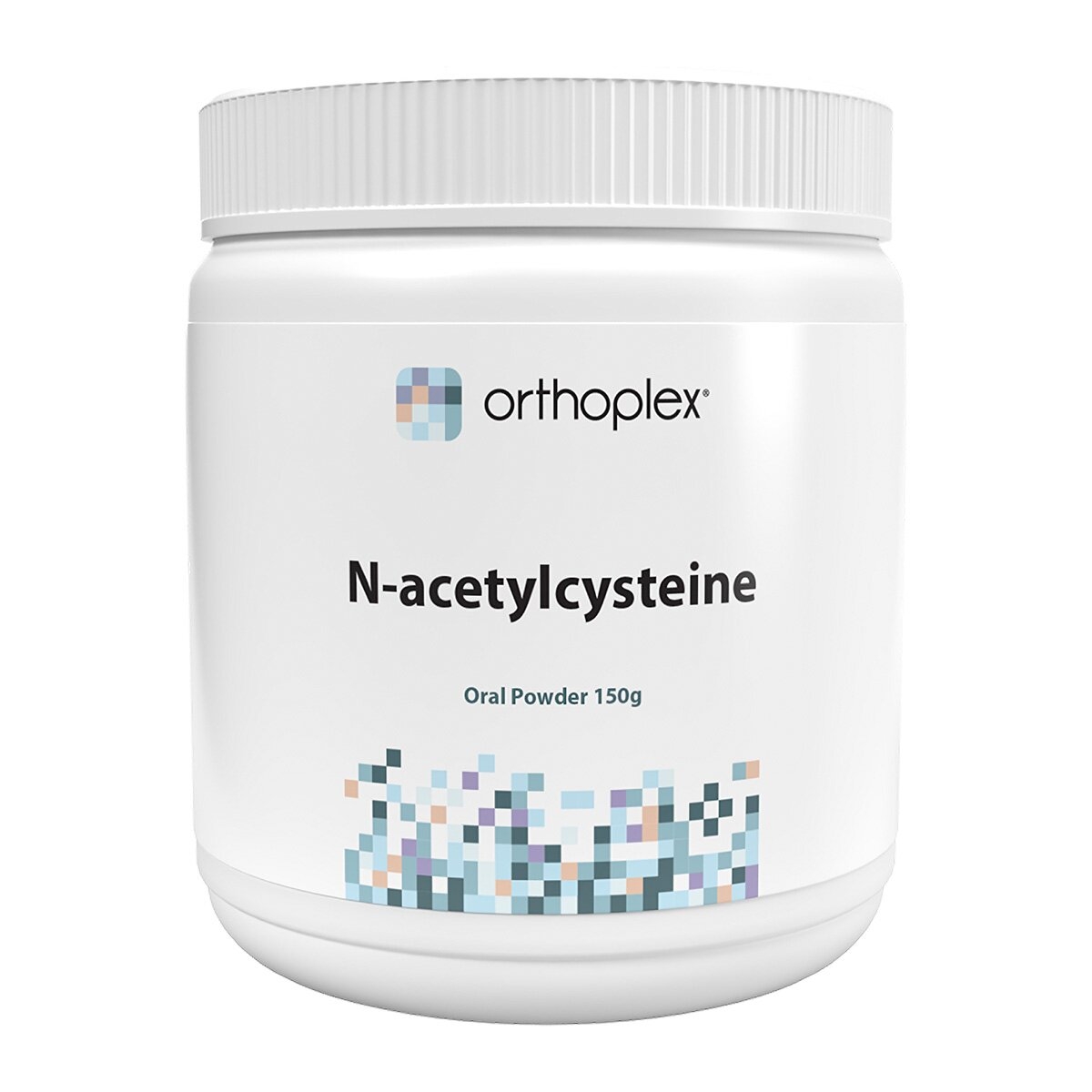
$8.79
Members Save
• Disrupts biofilm protective barriers that make infections up to 1000 times more treatment-resistant
• Breaks disulfide bonds in bacterial slime layers, exposing hidden pathogens to immune system attack
• Boosts glutathione production to reduce oxidative stress that encourages biofilm formation