top of page

Clinical Benefits
Clinical Benefits
Candidasis, caused by Candida yeast overgrowth, is one of the most common fungal infections affecting human health. Up to 88% of human fungal infections are caused by Candida species, with Candida albicans representing up to 90% of cases [1]. This intelligent and opportunistic organism can transform from a harmless single-celled form into invasive hyphae that penetrate tissues and evade immune clearance, making treatment challenging and often requiring a comprehensive approach.
Coconut medium-chain triglycerides (MCT) represent one of the most scientifically validated natural approaches for addressing Candida overgrowth. Coconut oil contains over 90% saturated fatty acids, with approximately 65% being medium-chain triglycerides including caprylic acid (C8) at 10% and capric acid (C10) at 5% [33]. Research reveals that both caprylic and capric acid enter the lipid bilayer of fungal membranes and physically disturb the fungal cell membrane, resulting in increased membrane fluidity that causes cell membrane disorganisation and ultimately cell disintegration [33][34].
Perhaps most significantly, these fatty acids interfere with yeast-to-hyphal signal transduction pathways, with caprylic acid demonstrated to downregulate this pathway by 5208 fold [34]. This is crucial because while Candida can exist harmlessly as single-celled organisms in the body, the hyphal form allows the organism to invade tissues and form protective biofilms, making it more problematic and virulent. Clinical studies have shown straight virgin coconut oil to have very little statistical difference in treating Candida compared to conventional 'azole' medications [35].
The effectiveness of coconut-derived MCTs extends beyond direct antifungal action. These medium-chain triglycerides not only disrupt existing Candida but also help prevent the morphological transformation that allows Candida to become invasive. By maintaining Candida in its less harmful single-cell state rather than allowing hyphal formation, MCT oil provides both therapeutic and preventive benefits against candidiasis. The compound caprylic acid in particular has been shown to significantly inhibit the cellular pathways that enable Candida's transformation into its more dangerous, tissue-invasive form.
For individuals dealing with Candida overgrowth, incorporating coconut MCT oil offers a research-backed approach that works through multiple mechanisms - direct membrane disruption, prevention of hyphal transformation, and interference with biofilm formation. This makes MCT oil a valuable component in comprehensive Candida management protocols, providing natural antifungal support that has been clinically validated against one of the most persistent fungal infections affecting human health.
Ingredients
Coconut medium-chain triglyceride (Coconut MCT)
20 mL
Instructions
Instructions
Dosage
1 tablespoon in tea, coffee or food daily
Duration
3 weeks
Warnings
Consult a doctor before use if you have diabetes, cirrhosis, acidosis or liver problems
Discontinue use if you experience nausea, diarrhoea, abdominal cramps or other gastrointestinal discomfort
Always read the label
Dietary supplements should not replace a balanced diet
If symptoms persist, worsen or change unexpectedly, consult your healthcare professional
Contraindications
Contraindications
Major Interactions
Moderate Interactions
Minor Interactions
$8.93
Members Save
• Caprylic acid downregulates Candida yeast-to-hyphae transformation pathways by 5208 fold, preventing tissue invasion
• Medium-chain triglycerides physically disrupt fungal cell membranes causing cell disintegration
• Clinically shown to be as effective as conventional azole medications for Candida treatment
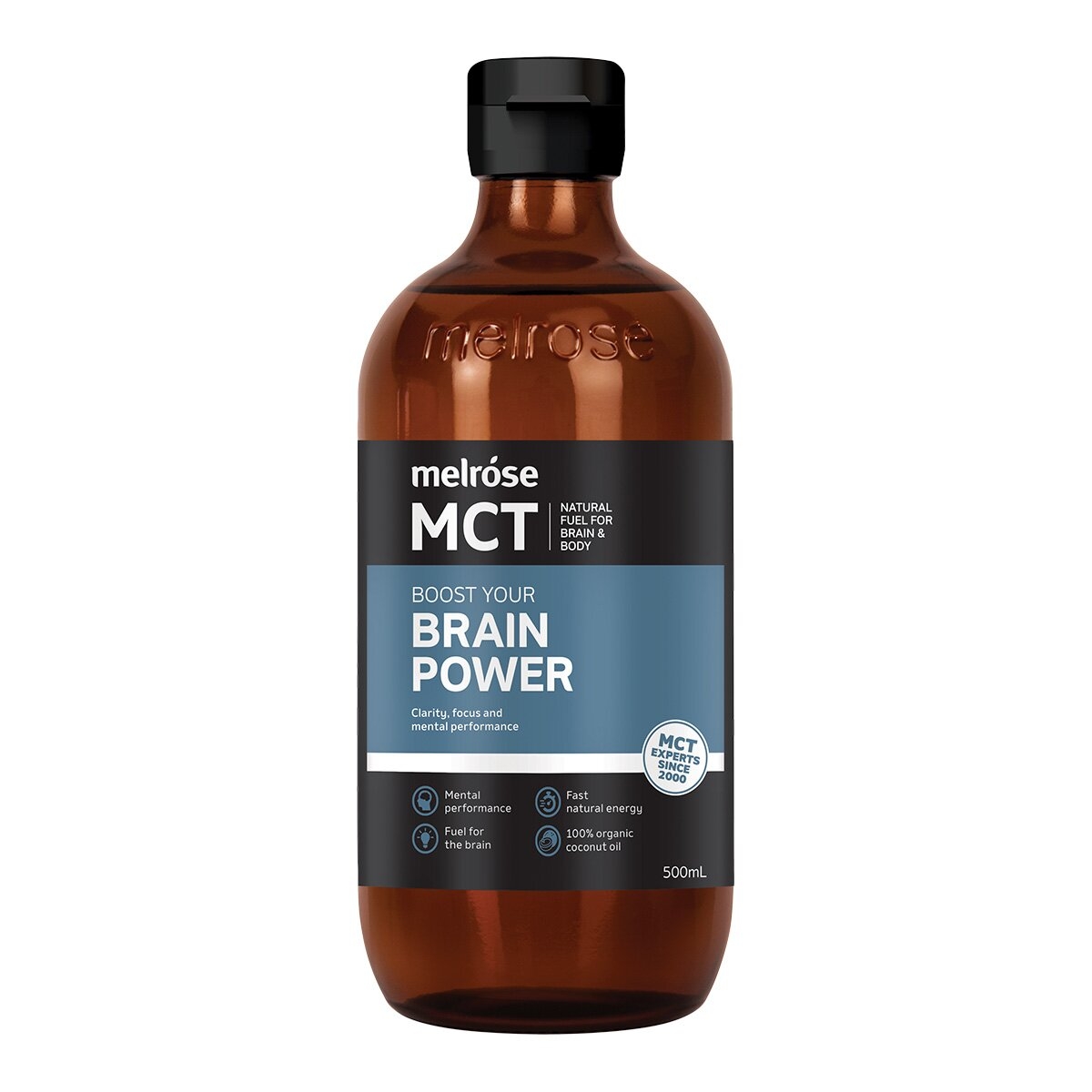
MCT Oil, Boost your brain power
Melrose
bottom of page