
Clinical Benefits
Clinical Benefits
Maple Matcha Powder contains EGCG which has potent bioactive compounds specifically researched for their ability to combat Epstein-Barr Virus (EBV) activity, targeting both latent and lytic phases of this persistent viral infection that affects over 95% of adults worldwide. EBV's ability to remain dormant in immune B cells while continuously expressing viral genes makes it a significant contributor to autoimmune conditions, chronic fatigue, and inflammatory diseases.
The primary active ingredient, matcha green tea (Camellia sinensis), contains high concentrations of EGCG (epigallocatechin gallate), a powerful polyphenol that directly targets EBV replication mechanisms. EGCG has been shown to bind directly to the viral protein LMP1, effectively blocking this central switch that activates EBV from its latent state into active replication. Additionally, EGCG reduces the activation of critical lytic genes BZLF1 and BMRF1, which are essential for initiating and sustaining the EBV lytic cycle where the virus actively replicates and spreads to other cells. Clinical studies demonstrate that this targeted action leads to a remarkable 50-75% reduction in EBV copies inside infected cells, effectively lowering the risk of EBV-related disease development and progression [16][27].
Ingredients
Camellia sinensis (Matcha green tea)
Maple sugar
Vanilla planifolia (Vanilla bean)
Pink Himalayan crystal salt
Instructions
Instructions
Dosage
1 teaspoon dissolved in a cup with boiled water and whisk until smooth
Duration
Long-term support for reducing and controlling EBV load
Warnings
Caffeine intake of more than 200 mg daily is not recommended during pregnancy or lactation; a cup of instant coffee contains approximately 80 mg of caffeine
Contraindications
Contraindications
This supplement may interact with the following categories of medications, as well as specific active ingredients.
• Adenosine
• Atorvastatin
• Nadolol
• Antibiotics
• Birth Control Pills
• Bortezomib
• Carbamazepine
• Celiprolol
• Cimetidine
• Clozapine
• Dipyridamole
• Disulfiram
• Estrogens
• Ethosuximide
• Felbamate
• Fexofenadine
• Flutamide
• Fluvoxamine
• Imatinib
• Medications for asthma
• Medications for depression
• Medications moved by pumps in cells - refer list - refer list
• Medications that can harm the liver - refer list
• Medications that slow blood clotting
• Nintedanib
• Pentobarbital
• Phenobarbital
• Phenytoin
• Pioglitazone
• Riluzole
• Rosuvastatin
• Verapamil
• Warfarin
• Diuretics
• Alcohol
• Fluconazole
• Medications changed by the liver - refer list - refer list
• Medications for diabetes
• Metformin
• Methoxsalen
• Mexiletine
• Midazolam
• Nicardipine
• Terbinafine
• Tiagabine
• Ticlopidine
Further details are provided below.
Please note that medications may be sold under different brand names, so check the listed active ingredients against your medication packaging.
Major Interactions
Atorvastatin
Green tea extract might decrease how much atorvastatin the body absorbs. Taking green tea extract along with atorvastatin might decrease the effects of atorvastatin.
Ephedrine
Stimulant drugs speed up the nervous system. Green tea contains caffeine. Caffeine and ephedrine are both stimulant drugs. Taking green tea along with ephedrine might cause too much stimulation and sometimes serious side effects and heart problems. Do not take caffeine-containing products and ephedrine at the same time.
Nadolol
• Corgard
Green tea might decrease how much nadolol the body absorbs. Taking green tea along with nadolol might decrease the effects of nadolol.
Moderate Interactions
Adenosine
• Adenocard
Green tea contains caffeine. The caffeine in green tea might block the effects of adenosine, which is often used by doctors to do a test called a cardiac stress test. Stop consuming green tea at least 24 hours before a cardiac stress test.
Antibiotics
• Doxycycline
• Ciprofloxacin
• Amoxicillin
• Azithromycin
• Norfloxacin
• Trimethoprim
The body breaks down caffeine to get rid of it. Some antibiotics might decrease how quickly the body breaks down caffeine. Taking these antibiotics along with green tea can increase the risk of side effects including jitteriness, headache, increased heart rate, and other side effects.
Birth control pills
Green tea contains caffeine. The body breaks down caffeine to get rid of it. Birth control pills can decrease how quickly the body breaks down caffeine. This might increase the risk for side effects from caffeine, such as jitteriness, headache, and fast heartbeat.
Bortezomib
• Velcade
Bortezomib is used in certain types of cancers. Green tea might interact with bortezomib and decrease its effects. If you take bortezomib, avoid taking green tea products.
Carbamazepine
Caffeine can decrease the effects of carbamazepine. Since green tea contains caffeine, taking green tea with carbamazepine might decrease the effects of carbamazepine.
Celiprolol
• Celicard
Green tea appears to decrease how much celiprolol is absorbed into the body. This might decrease the effects of celiprolol.
Cimetidine
• Tagamet
Green tea contains caffeine. The body breaks down caffeine to get rid of it. Cimetidine can decrease how quickly the body breaks down caffeine. Taking cimetidine along with green tea might increase the chance of caffeine side effects including jitteriness, headache, fast heartbeat, and others.
Clozapine
• Clozaril
The body breaks down clozapine to get rid of it. The caffeine in green tea seems to decrease how quickly the body breaks down clozapine. Taking green tea along with clozapine can increase the effects and side effects of clozapine.
Dipyridamole
• Persantine
Green tea contains caffeine. The caffeine in green tea might block the effects of dipyridamole. Dipyridamole is often used by doctors to do a test on the heart called a cardiac stress test. Stop drinking green tea at least 24 hours before a cardiac stress test.
Disulfiram
• Antabuse
The body breaks down caffeine to get rid of it. Disulfiram can decrease how quickly the body gets rid of caffeine. Taking green tea along with disulfiram might increase the effects and side effects of caffeine, including jitteriness, hyperactivity, irritability, and others.
Estrogens
• Oral contraceptive pill
• Estradiol
• Conjugated estrogens
• HRT combination products
The body breaks down the caffeine in green tea to get rid of it. Estrogens can decrease how quickly the body breaks down caffeine. Taking estrogen and drinking green tea can increase the risk of caffeine side effects, including jitteriness, headache, fast heartbeat, and others.
Ethosuximide
• Zarontin
Ethosuximide is a drug used to treat seizures. Caffeine in green tea can decrease the effects of ethosuximide. Taking green tea with ethosuximide might decrease the effects of ethosuximide. This might increase the risk of seizures.
Felbamate
• Felbatol
Felbamate is a drug used to treat seizures. The caffeine in green tea might decrease the effects of felbamate and increase the risk of seizures in some people.
Fexofenadine
• Allegra
Green tea might decrease how much fexofenadine the body absorbs. Separate taking this medication from consuming green tea.
Flutamide
• Eulexin
The body breaks down flutamide to get rid of it. The caffeine in green tea might decrease how quickly the body gets rid of flutamide. This could increase the effects and side effects of flutamide.
Fluvoxamine
• Luvox
The body breaks down the caffeine in green tea to get rid of it. Fluvoxamine can decrease how quickly the body breaks down caffeine. Taking fluvoxamine along with green tea might increase the risk of caffeine side effects such as jitteriness, headache, fast heartbeat, and others.
Imatinib
• Gleevec
Imatinib is used to treat certain types of cancer. Green tea appears to reduce how much imatinib gets into the body. This might decrease the effects of imatinib.
Lisinopril
Green tea appears to decrease how much lisinopril is absorbed into the body. This might decrease the effects of lisinopril.
The caffeine in green tea can increase how quickly the body gets rid of lithium. If you take products that contain caffeine and you take lithium, don't stop taking caffeine all at once. Decrease the daily dose of caffeine slowly. Stopping caffeine too quickly can increase the side effects of lithium.
Medications for asthma
• Beta-adrenergic agonists
Green tea contains caffeine. Caffeine can stimulate the heart. Some medications for asthma can also stimulate the heart. Taking caffeine with some medications for asthma might cause too much stimulation and cause heart problems.
Medications for depression
• MAOIs
Green tea contains caffeine. There is some concern that caffeine can interact with certain medications, called MAOIs. If caffeine is taken with these medications, it might increase the risk for serious side effects including fast heartbeat and very high blood pressure. Some common MAOIs include phenelzine, selegiline, and tranylcypromine.
Medications moved by pumps in cells
• Rosuvastatin
• Atorvastatin
• Simvastatin
• Methotrexate
• Fexofenadine
• Levothyroxine
Some medications are moved in and out of cells by pumps. Green tea might change how these pumps work and change how much medication stays in the body. In some cases, this might change the effects and side effects of a medication.
• Dabigatran
• Cyclosporine
• Fexofenadine
• Loperamide
• Some HIV antiretrovirals
Medications that can harm the liver
• Acetaminophen / Paracetamol
• Methotrexate
• Atorvastatin
• Simvastatin
• Isoniazid
Green tea extracts might harm the liver. Some medications can also harm the liver. Taking green tea extracts along with a medication that can harm the liver might increase the risk of liver damage.
Medications that slow blood clotting
• Heparin
• Rivaroxaban
• Apixaban
• Dabigatran
• Clopidogrel
Green tea might slow blood clotting. Taking green tea along with medications that also slow blood clotting might increase the risk of bruising and bleeding.
Nicotine
Stimulant drugs such as nicotine speed up the nervous system. The caffeine in green tea might also speed up the nervous system. Taking green tea along with stimulant drugs might cause serious problems, including increased heart rate and high blood pressure. Avoid taking stimulant drugs along with caffeine.
Nintedanib
• Ofev
Green tea might decrease how much nintedanib is in the body. It's not clear if this is a real concern.
Pentobarbital
• Nembutal
The stimulant effects of the caffeine in green tea can block the sleep-producing effects of pentobarbital.
Phenobarbital
• Luminal
Phenobarbital is a drug used to treat seizures. The caffeine in green tea might decrease the effects of phenobarbital and increase the risk of seizures in some people.
Phenylpropanolamine
Green tea contains caffeine. Caffeine can stimulate the body. Phenylpropanolamine can also stimulate the body. Taking green tea and phenylpropanolamine together might cause too much stimulation and increase heartbeat and blood pressure and cause nervousness.
Phenytoin
Phenytoin is a drug used to treat seizures. The caffeine in green tea can decrease the effects of phenytoin. Taking green tea with phenytoin might decrease the effects of phenytoin and increase the risk of seizures in some people.
Pioglitazone
• Actos
Green tea contains caffeine. Caffeine might increase the amount of pioglitazone that the body absorbs. Taking green tea might increase the effects and adverse effects of pioglitazone.
Riluzole
• Rilutek
Drinking green tea can decrease how quickly the body breaks down riluzole and increase the effects and side effects of riluzole.
Rosuvastatin
Taking green tea extract might change the amount of rosuvastatin in the blood. This might change the effects and side effects of rosuvastatin.
Stimulant drugs
Stimulants, such as amphetamines and cocaine, speed up the nervous system. By speeding up the nervous system, stimulant medications can increase blood pressure and speed up the heartbeat. Green tea contains caffeine. Caffeine can also speed up the nervous system. Taking green tea along with stimulant drugs might cause serious problems including increased heart rate and high blood pressure.
Theophylline
Green tea contains caffeine. Caffeine works similarly to theophylline. Caffeine can also decrease how quickly the body gets rid of theophylline. Taking green tea along with theophylline might increase the effects and side effects of theophylline.
The caffeine in green tea might decrease the effects of valproate.
Verapamil
• Calan, others
Verapamil can decrease how quickly the body gets rid of caffeine. Drinking green tea and taking verapamil can increase the risk of caffeine side effects including jitteriness, headache, and an increased heartbeat.
• Jantoven
• Used for: blood thinning, clot prevention
Green tea contains vitamin K. Vitamin K can reduce the effect of warfarin. But the amount of vitamin K in green tea is very small. So green tea is unlikely to interact with warfarin when used in moderation. Large amounts of green tea, such as 8 cups or more each day, should be avoided.
Diuretics
• Diuretic drugs
Green tea contains caffeine. Caffeine, especially in large amounts, can reduce potassium levels in the body. "Diuretics" can also decrease potassium in the body. Taking large amounts of caffeine along with "Diuretics" might decrease potassium in the body too much.
Minor Interactions
Alcohol
• Ethanol
The body breaks down the caffeine in green tea to get rid of it. Alcohol can decrease how quickly the body breaks down caffeine. Taking green tea along with alcohol might increase the effects and side effects of caffeine, including jitteriness, headache, and fast heartbeat.
Fluconazole
• Diflucan
Green tea contains caffeine. The body breaks down caffeine to get rid of it. Fluconazole might decrease how quickly the body gets rid of caffeine. Taking fluconazole along with green tea might increase the risk of caffeine side effects such as jitteriness, headache, fast heartbeat, and others.
Medications changed by the liver
• Atorvastatin
• Simvastatin
• Amlodipine
• Diltiazem
• Cyclosporine
• Tacrolimus
• Midazolam
• Alprazolam
• Rivaroxaban
• Some HIV antiretrovirals
Some medications are changed and broken down by the liver. Green tea might change how quickly the liver breaks down these medications. If you are taking medications metabolised by the liver, monitor for any changes in how your medication affects you.
Medications for diabetes
• Metformin
• Glyburide
• Glipizide
• Insulin
• Sitagliptin
• Empagliflozin
• Semaglutide
• Dapagliflozin
Green tea contains caffeine. Caffeine can either increase or decrease blood sugar. Diabetes medications are used to lower blood sugar. Taking some medications for diabetes along with caffeine might change the effects of the diabetes medications. Monitor your blood sugar closely. The dose of your diabetes medication might need to be changed.
Metformin
• Glucophage
Green tea contains caffeine. Metformin can decrease how quickly the body breaks down caffeine. Taking green tea along with metformin might increase the effects and side effects of caffeine.
Methoxsalen
• Oxsoralen
Green tea contains caffeine. Methoxsalen can decrease how quickly the body breaks down caffeine. Taking caffeine along with methoxsalen might increase the risk of caffeine side effects such as jitteriness, headache, fast heartbeat, and others.
Mexiletine
• Mexitil
Green tea contains caffeine. Mexiletine can decrease how quickly the body breaks down caffeine. Taking mexiletine along with green tea might increase the risk of caffeine side effects such as jitteriness, headache, fast heartbeat, and others.
Midazolam
• Versed
Green tea might decrease how quickly the body breaks down midazolam. Taking green tea along with midazolam might increase the effects and side effects of midazolam. But is not clear if this is a big concern.
Nicardipine
• Cardene
A chemical in green tea called EGCG might increase how much nicardipine is absorbed in the body. Green tea might increase the effects and side effects of nicardipine. But it's not clear if this is a real concern.
Phenothiazines
Green tea contains caffeine. Phenothiazines can decrease how quickly the body breaks down caffeine. Taking phenothiazines along with caffeine might increase the effects and side effects of caffeine.
Terbinafine
• Lamisil
Terbinafine can decrease how fast the body gets rid of caffeine. Taking green tea along with terbinafine can increase the risk of caffeine side effects including jitteriness, headache, increased heartbeat, and other effects.
Tiagabine
• Gabitril
Green tea contains caffeine. Taking caffeine over a long time period along with tiagabine can increase the amount of tiagabine in the body. This might increase the effects and side effects of tiagabine.
Ticlopidine
• Ticlid
Ticlopidine can decrease how quickly the body gets rid of caffeine. Taking green tea along with ticlopidine might increase the effects and side effects of caffeine, including jitteriness, hyperactivity, irritability, and others.
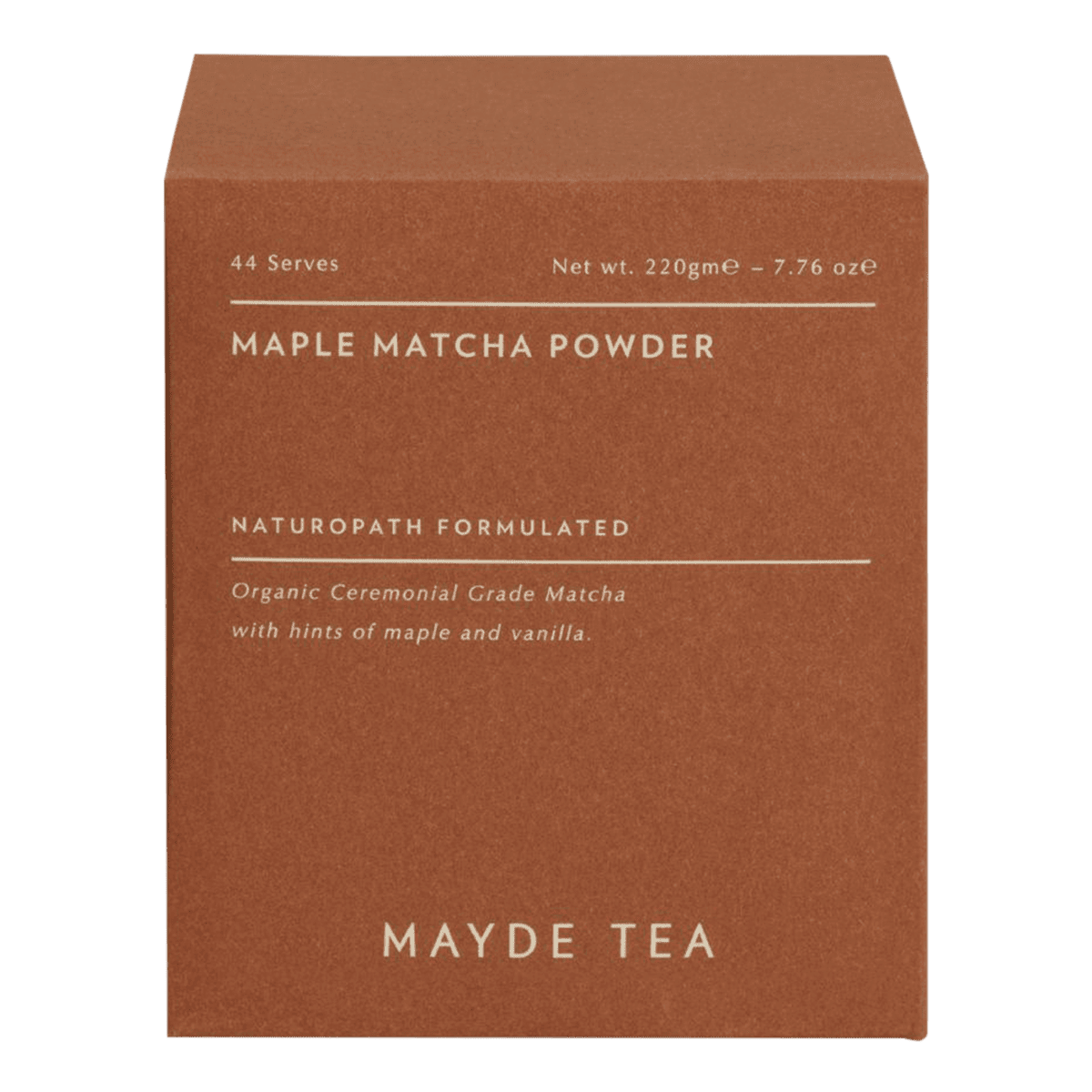
$21.44
Members Save
• EGCG from matcha directly blocks EBV protein LMP1, preventing viral reactivation from latent to active phases
• Clinical studies show 50-75% reduction in EBV viral copies within infected cells through targeted gene suppression
• Addresses chronic fatigue symptoms associated with EBV reactivation and mitochondrial dysfunction