
Clinical Benefits
Clinical Benefits
MagCalm is formulated to address circadian disruption, a condition where the body's natural 24-hour rhythm becomes misaligned, leading to poor sleep quality, delayed sleep onset, and fragmented rest. This disruption occurs when melatonin production is insufficient or mistimed, weakening the internal signaling network that governs our sleep-wake cycle.
Magnesium glycinate provides highly bioavailable magnesium, which acts as a crucial cofactor in the enzymatic conversion of 5-HTP to serotonin, a key step in the melatonin synthesis pathway. This chelated form delivers both magnesium and glycine, where glycine functions as an inhibitory neurotransmitter that helps calm neural activity and supports the transition into deeper sleep stages. Clinical research demonstrates that magnesium deficiency can impair the biochemical processes necessary for optimal melatonin production, making adequate magnesium essential for maintaining circadian rhythm stability.
Glycine serves dual roles in sleep support, functioning both as a building block released from magnesium glycinate and as an additional standalone ingredient. Research shows glycine helps lower core body temperature and reduces the time needed to fall asleep, while supporting the maintenance of deep, restorative sleep phases. This amino acid works by modulating neurotransmitter pathways in the brain stem and hypothalamus, regions critical for sleep regulation.
Taurine enhances sleep quality through its interaction with GABA receptors and its role in cellular membrane stabilization. This amino acid helps regulate neuronal excitability and supports the nervous system's transition from wakefulness to rest. Taurine also contributes to maintaining proper electrolyte balance, which is essential for optimal neurological function during sleep cycles.
Passionflower (Passiflora incarnata) stands out as one of the most clinically supported herbal sleep aids, with research showing it significantly enhances melatonin synthesis and sleep efficiency. In human studies, 600 mg of Passionflower daily improved sleep efficiency by 11% within 30 days and reduced sleep onset latency from 72 minutes to 42 minutes. The herb works by promoting calretinin activity, which helps GABAergic interneurons fire more rhythmically, supporting deep NREM sleep and preventing neural overexcitation. Passionflower also increases serum serotonin and melatonin levels by enhancing tryptophan metabolism and exhibiting mild MAO inhibitory effects that preserve serotonin availability [40][42][43].
Lemon balm (Melissa officinalis) provides additional nervous system support through its gentle calming properties and traditional use in promoting restful sleep. While not extensively covered in the circadian disruption research, lemon balm is well-established for its mild sedative effects and ability to reduce anxiety and nervous tension, complementing the other sleep-supporting ingredients in the formula.
Ingredients
Magnesium glycinate dihydrate
equiv. Magnesium
equiv. Glycine
2.63 g
300 mg
1.9 g
Glycine
2 g
Taurine
3 g
Passiflora incarnata (Passionflower) ext.
ext. dry conc. (herb)
150 mg
3 g
Melissa officinalis (Lemon balm) ext.
ext. dry conc. (leaf)
300 mg
3 g
Instructions
Instructions
Dosage
2 scoops (10.5 g) once daily with water. 1 hour before bed
Duration
Minimum 3 weeks
Suitable for long-term sleep support, with dosing adjusted according to symptoms
Warnings
Not suitable for use during pregnancy or lactation
Always read the label
Dietary supplements should not replace a balanced diet
If symptoms persist, worsen or change unexpectedly, consult your healthcare professional
Contraindications
Contraindications
This supplement may interact with the following categories of medications, as well as specific active ingredients.
• Medications for depression
• Estrogens
• Levothyroxine
• Medications for diabetes
• Medications for high blood pressure
• Tamoxifen
• Warfarin
• Diuretics
• Sedative medications
• Medications moved by pumps in cells - refer list
Further details are provided below.
Please note that medications may be sold under different brand names, so check the listed active ingredients against your medication packaging.
Major Interactions
Medications for depression
• MAOIs
Fermented soy products such as tofu and soy sauce contain tyramine. Tyramine is a naturally occurring chemical that is involved in blood pressure regulation. MAOIs can decrease how quickly the body breaks down tyramine. Consuming more than 6 mg of tyramine while taking one of these medications can increase the risk of serious side effects, such as very high blood pressure. If you take one of these medications, avoid fermented soy products that contain high amounts of tyramine. Some common MAOIs include phenelzine, selegiline, and tranylcypromine.
Moderate Interactions
Caffeine
Soy contains the chemical genistein. Genistein might slow down how quickly the body gets rid of caffeine. This might increase the effects of caffeine.
Estrogens
• Oral contraceptive pill
• Estradiol
• Conjugated estrogens
• HRT combination products
Large amounts of soy might have some of the same effects as estrogen. Taking soy along with estrogen pills might decrease the effects of estrogen pills.
Levothyroxine
• Synthroid, others
Levothyroxine is used for low thyroid function. Soy seems to decrease how much levothyroxine is absorbed by the body in infants, but not adults. This might decrease the effects of levothyroxine in infants. The dose of levothyroxine may need to be adjusted if soy is being used regularly, such as in soy-based formulas. Otherwise, take levothyroxine and soy at least 4 hours apart.
Medications for diabetes
• Glyburide
• Glipizide
• Insulin
• Sitagliptin
• Empagliflozin
• Semaglutide
• Dapagliflozin
Soy might lower blood sugar levels. Taking soy along with diabetes medications might cause blood sugar to drop too low. Monitor your blood sugar closely.
Medications for high blood pressure
• Amlodipine
• Ramipril
• Perindopril
• Metoprolol
• Losartan
• Hydrochlorothiazide
Soy might lower blood pressure. Taking soy along with medications that lower blood pressure might cause blood pressure to go too low. Monitor your blood pressure closely.
Progesterone
Some research shows that taking soy milk along with progesterone might increase bone loss in females with osteoporosis.
Tamoxifen
• Soltamox
• Used for: breast cancer treatment and prevention
Tamoxifen affects the activity of estrogen in the body. Soy seems to also affect estrogen activity in the body. Taking soy with tamoxifen might change the effects of tamoxifen. Speak with a healthcare provider if you are taking tamoxifen.
• Jantoven
• Used for: blood thinning, clot prevention
Warfarin is used to slow blood clotting. Soy has been reported to decrease the effects of warfarin. This might increase the risk of clotting. Be sure to have your blood checked regularly. The dose of your warfarin might need to be changed.
Diuretics
• Diuretic drugs
Soy can increase urine production. The effects seem to be similar to those of "Diuretics. " Taking soy along with "Diuretics" might increase the risk for side effects.
Taurine might lower blood pressure. Taking taurine along with medications that lower blood pressure might cause blood pressure to go too low. Monitor your blood pressure closely.
Sedative medications
• Diazepam
• Alprazolam
• Temazepam
• Zolpidem
• Zopiclone
• Promethazine
Passion flower might cause sleepiness and slowed breathing. Some medications, called sedatives, can also cause sleepiness and slowed breathing. Taking passion flower with sedative medications might cause breathing problems and/or too much sleepiness.
Thyroid hormone
Taking lemon balm seems to decrease how well thyroid hormone works in the body. Taking lemon balm with thyroid hormone might decrease the effects of the thyroid hormone.
Minor Interactions
Medications moved by pumps in cells
• Rosuvastatin
• Atorvastatin
• Simvastatin
• Methotrexate
• Fexofenadine
• Levothyroxine
Some medications are moved in and out of cells by pumps. Passion flower might change how these pumps work and change how much medication stays in the body. In some cases, this might change the effects and side effects of a medication.
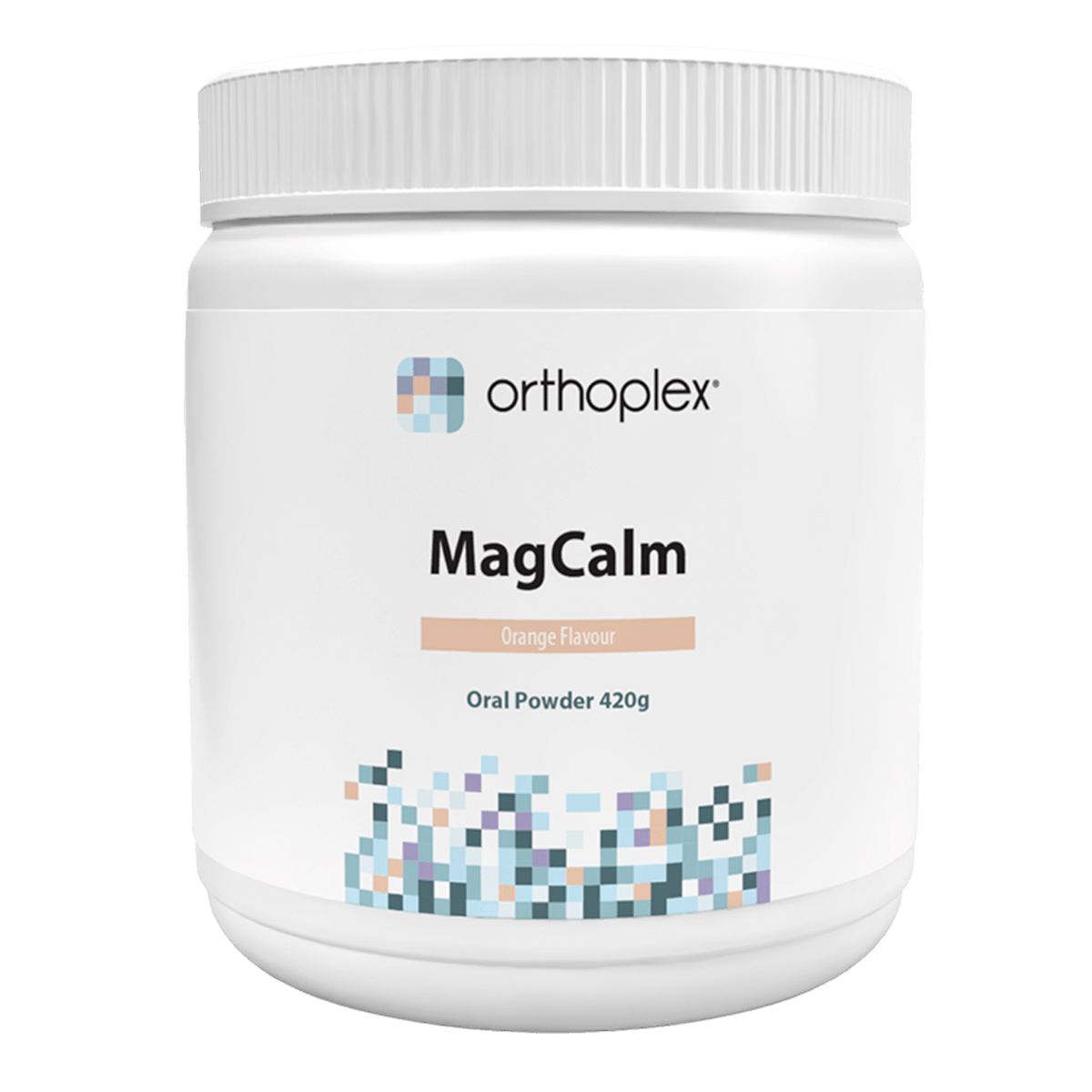
$16.51
Members Save
• Contains clinically-studied Passionflower that increased melatonin levels by 49% and improved sleep efficiency by 11% in human trials
• Provides bioavailable magnesium essential for the enzymatic conversion pathway that produces melatonin from serotonin
• Features glycine which helps lower core body temperature and reduces sleep onset time through neurotransmitter modulation