
Clinical Benefits
Clinical Benefits
Hydrozyme provides targeted digestive support for individuals experiencing hypochlorhydria, a condition characterized by insufficient stomach acid production that affects up to 69% of individuals in their eighth decade of life [14]. When stomach acid levels are inadequate (pH above 4), the cascade of digestive dysfunction begins, leading to incomplete protein breakdown, bacterial overgrowth, and nutrient malabsorption that can perpetuate the cycle of low acid production.
Betaine hydrochloride serves as the cornerstone ingredient, functioning as a direct source of hydrochloric acid to restore optimal gastric pH levels. This hydrochloride salt readily dissociates in the stomach to release hydrogen ions, rapidly lowering gastric pH and reestablishing the acidic environment essential for proper digestion [24]. Clinical research demonstrates that betaine HCl supplementation can dramatically restore stomach acidity: in one study, a 1500 mg dose reduced gastric pH from an average of 5.2 to 0.6 within 30 minutes [24]. By re-establishing strongly acidic gastric conditions, betaine HCl helps reactivate protein metabolism and initiates key digestive signaling pathways, including pepsin activation and cholecystokinin (CCK) release for pancreatic enzyme secretion.
L-glutamic acid provides additional support by serving as a precursor for gastric acid production and contributing to the amino acid pool that stimulates gastrin-secreting G cells. Natural amino acids that make up protein play an important role in stimulating gastric function, partly by activating these gastrin-secreting cells [20]. Gastrin then binds to specific receptors on parietal cells, leading to increased activity of proton pumps responsible for secreting hydrogen ions into the stomach lumen, thus increasing gastric acidity. This amino acid support helps maintain the natural feedback mechanisms that regulate stomach acid production.
Pepsin (porcine) addresses the enzymatic component of protein digestion that becomes compromised in hypochlorhydria. Pepsin is essential for initiating the breakdown of dietary proteins in the stomach, producing peptides and amino acids that stimulate gastrin release and help maintain healthy acid secretion [38]. When pepsin levels are low, as commonly occurs in hypochlorhydria, protein digestion remains incomplete, leading to food stagnation, fermentation, and the generation of inflammatory by-products that further suppress gastric acid production, creating a self-perpetuating cycle. Supplemental pepsin enhances protein digestion directly while helping restore the feedback signals needed to sustain gastric acidity, breaking this destructive cycle and supporting recovery of normal stomach function.
Ingredients
Betaine hydrochloride
400 mg
L-glutamic acid
100 mg
Pepsin (porcine)
100 mg
Instructions
Instructions
Dosage
1 tablet, always with a main meal, not away from food.
Duration
6 weeks
Advised to re-test for stool or urine beetroot staining and continue use if necessary
Warnings
Refrigerate after opening
Adults only
Large tablet, swallow with a glass of water
Contains sugars and ingredients of porcine origin
Always read the label
Dietary supplements should not replace a balanced diet
If symptoms persist, worsen or change unexpectedly, consult your healthcare professional
Contraindications
Contraindications
This supplement may interact with the following categories of medications, as well as specific active ingredients.
• Medications that decrease stomach acid
Further details are provided below.
Please note that medications may be sold under different brand names, so check the listed active ingredients against your medication packaging.
Major Interactions
Moderate Interactions
Minor Interactions
Medications that decrease stomach acid
• H2-blockers
H2-blockers are used to decrease stomach acid. Betaine hydrochloride can increase stomach acid. Taking betaine hydrochloride might decrease the effects of H2-blockers. Some common H2-blockers include cimetidine, ranitidine, and famotidine.
• Omeprazole
• Esomeprazole
• Pantoprazole
• Lansoprazole
• Rabeprazole
Proton pump inhibitors are used to decrease stomach acid. Betaine hydrochloride can increase stomach acid. Taking betaine hydrochloride might decrease the effects of proton pump inhibitors. Some common proton pump inhibitors include omeprazole, lansoprazole, rabeprazole, pantoprazole, and esomeprazole.
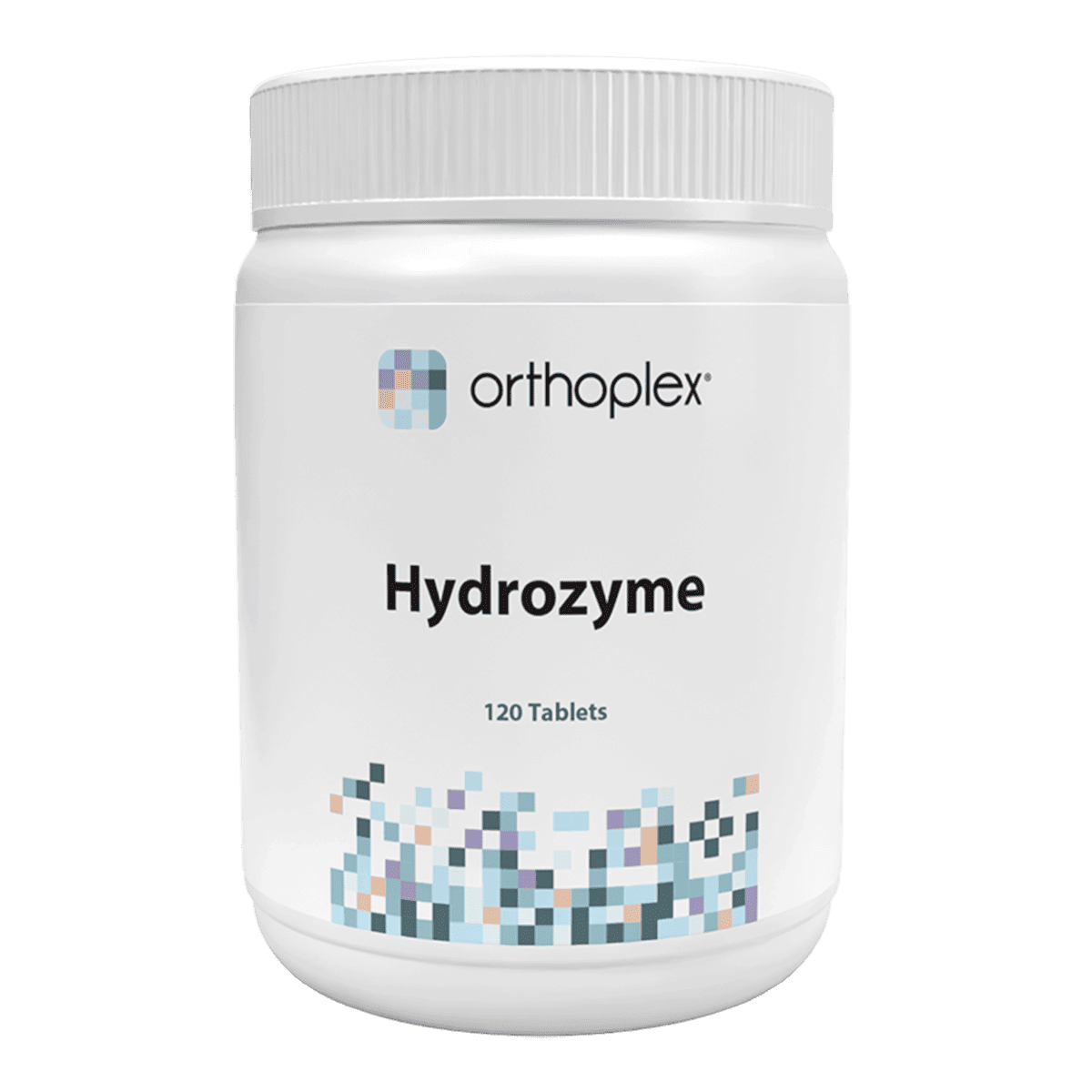
$12.00
Members Save
• Rapidly restores gastric pH from 5.2 to 0.6 within 30 minutes through direct acid supplementation
• Breaks the self-perpetuating cycle of low stomach acid by providing both acid and protein-digesting enzymes
• Supports natural gastrin production pathways to help restore long-term acid secretion capacity