
Clinical Benefits
Clinical Benefits
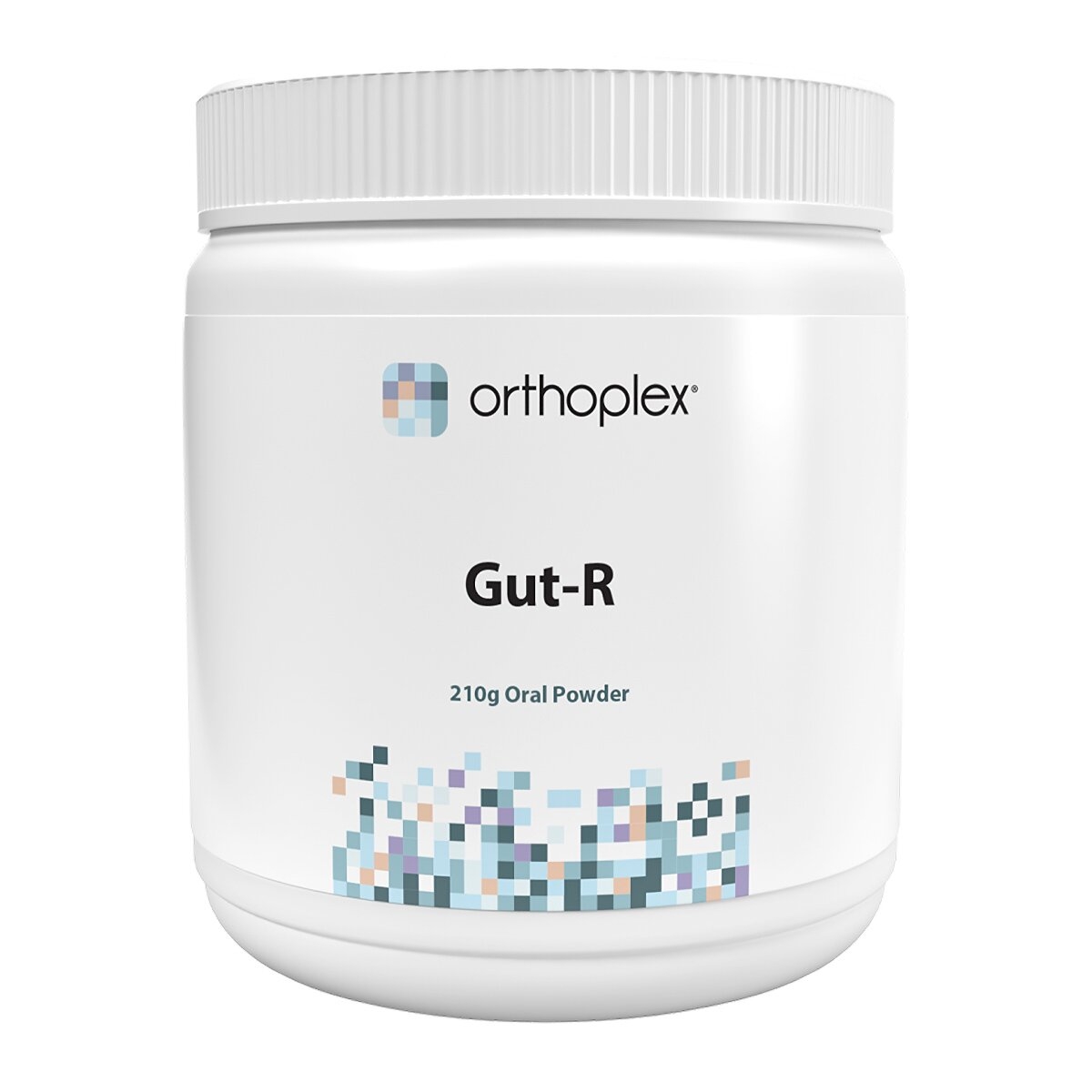
Gut-R provides comprehensive support for individuals managing histamine intolerance (HIT), a condition affecting 1-3% of the population where impaired histamine breakdown leads to uncomfortable symptoms like abdominal swelling, digestive discomfort, and systemic reactions [1][2]. This targeted formula addresses the root causes of histamine accumulation by supporting intestinal health, enhancing natural histamine-degrading enzyme function, and reducing inflammatory processes that compromise gut barrier integrity.
Quercetin, a powerful flavonoid in this formulation, works through multiple pathways to manage histamine levels. Research demonstrates that quercetin reduces the expression of histidine decarboxylase, the key enzyme responsible for converting histidine into histamine [23]. A randomized, double-blind study showed that 200 mg per day of quercetin for four weeks significantly improved histamine intolerance symptoms including nasal congestion, eye itching, and sneezing [6]. Beyond its direct antihistamine effects, quercetin serves as a potent anti-inflammatory agent at 500 mg daily, significantly lowering intestinal inflammation while modulating gut microbial balance and improving intestinal motility - all crucial factors for supporting the enterocytes responsible for DAO production [6].
Zinc carnosine (Polaprezinc) provides specialized mucosal healing support essential for optimal DAO enzyme production. As DAO is produced in the villus tips of intestinal epithelial cells, inflammatory conditions can damage these cells and impair enzyme secretion. Zinc carnosine delivers zinc directly to inflamed or ulcerated areas with prolonged healing effects due to its slow dissociation in the gut, thereby protecting DAO-producing tissues from damage [29]. This chelated compound is particularly valuable because zinc serves as a necessary cofactor for various enzymatic processes involved in gut repair and immune function.
Vitamin D3 (Cholecalciferol) plays a fundamental role in gut immunity and epithelial integrity through its action on the Vitamin D Receptor (VDR). In inflamed states, VDR expression becomes dysregulated, further damaging the intestinal barrier and disturbing microbiota-host interactions. Supplementation with vitamin D at 2000 IU per day has been shown to improve quality of life in patients with inflammatory bowel conditions while reducing disease activity, creating a more favorable environment for DAO synthesis [29]. Vitamin A (Retinol acetate) complements this anti-inflammatory framework by promoting immune tolerance in the intestinal mucosa and playing a key role in regulatory T cell differentiation, helping prevent inappropriate immune activation that compromises DAO expression [29].
Curcuma longa (Turmeric) extract, standardized for curcuminoids, provides additional anti-inflammatory support crucial for maintaining intestinal health. Like quercetin, curcumin has been shown to bind to and restore VDR expression, promoting mucosal healing and mitigating inflammation that can impair DAO-producing intestinal cells [29]. This creates an optimal environment for the natural production of diamine oxidase, the primary enzyme responsible for breaking down dietary histamine.
Glutamine serves as the primary fuel source for intestinal epithelial cells and supports gut barrier function, which is essential for individuals with histamine intolerance who often experience compromised intestinal permeability. While not specifically mentioned in histamine intolerance research, glutamine is well-established for its role in maintaining intestinal integrity and supporting the rapid turnover of gut lining cells.
[1]>https://www.sciencedirect.com/science/article/pii/S0002916523280533
[2]>https://pmc.ncbi.nlm.nih.gov/articles/PMC7463562/
[6]>https://www.bioceuticals.com.au/education/technical-guides/histamine-metabolism-support
[23]>https://pubmed.ncbi.nlm.nih.gov/17191019/
[29]>https://bioconceptsengage.com.au/eresources/synergistic-support-for-first-line-gut-healing
Ingredients
Glutamine
Zinc carnosine (Polaprezinc)
equiv. Zinc
5 g
79.1 mg
17 mg
Retinol acetate (Vitamin A)
equiv. Vitamin A
0.89 mg
750 µg RE
Cholecalciferol (Vitamin D3)
equiv. Vitamin D
25 µg
1000 IU
Quercetin dihydrate
250 mg
Curcuma longa (Turmeric) ext.
equiv. Curcuminoids
ext. equiv. dry (rhizome)
250 mg
119 mg
7.82 g
Instructions
Instructions
Dosage
1 level scoop (7 g) once daily in 200 mL water, consume immediately
Duration
4 weeks
Warnings
Not recommended for children under 12 years
Not recommended for use during pregnancy or lactation
In very rare cases curcuma species may harm the liver. Stop use and see a doctor if you have yellowing skin/eyes or unusual: fatigue, nausea, appetite loss, abdominal pain, dark urine or itching
Always read the label
Dietary supplements should not replace a balanced diet
If symptoms persist, worsen or change unexpectedly, consult your healthcare professional
Contains zinc which may be dangerous if taken in large amounts or for a long period
The recommended daily amount of vitamin A from all sources is 700 µg retinol equivalents for women and 900 µg equivalents for men
If you are pregnant or considering becoming pregnant, do not take vitamin A supplements without consulting your healthcare practitioner or pharmacist
When taken in excess of 3000 µg retinol equivalents, vitamin A can cause birth defects
Contraindications
Contraindications
This supplement may interact with the following categories of medications, as well as specific active ingredients.
• Medications changed by the liver - refer list
• Medications for cancer
• Medications for diabetes
• Medications moved by pumps in cells - refer list
• Medications that can harm the liver
• Medications that slow blood clotting
• Methotrexate
• Sulfasalazine
• Tacrolimus
• Talinolol
• Tamoxifen
• Tramadol
• Warfarin
• Docetaxel
• Estrogens
• Glyburide
• Losartan
• Norfloxacin
• Paclitaxel
• Medications for skin conditions
• Atorvastatin
• Calcipotriene
• Digoxin
• Diltiazem
• Verapamil
• Diuretics
• Antibiotics
• Bictegravir/emtricitabine/tenofovir alafenamide
• Cephalexin
• Cisplatin
• Medications for HIV/AIDS
• Penicillamine
• Ritonavir
• Atazanavir
Further details are provided below.
Please note that medications may be sold under different brand names, so check the listed active ingredients against your medication packaging.
Major Interactions
Medications for skin conditions
• Retinoids
Some medications for skin conditions are made from vitamin A. Taking vitamin A and these medications together could cause toxic effects.
Moderate Interactions
Medications changed by the liver
• Atorvastatin
• Simvastatin
• Amlodipine
• Diltiazem
• Cyclosporine
• Tacrolimus
• Midazolam
• Alprazolam
• Rivaroxaban
• Some HIV antiretrovirals
Some medications are changed and broken down by the liver. Turmeric might change how quickly the liver breaks down these medications. If you are taking medications metabolised by the liver, monitor for any changes in how your medication affects you.
Medications for cancer
• Cyclophosphamide
• Chlorambucil
• Melphalan
• Busulfan
• Temozolomide
Turmeric is an antioxidant. There is some concern that antioxidants might decrease the effects of some medications used for cancer. If you are taking medications for cancer, check with your healthcare provider before taking turmeric.
• Doxorubicin
• Bleomycin
• Daunorubicin
• Mitomycin
• Epirubicin
Turmeric is an antioxidant. There is some concern that antioxidants might decrease the effects of medications used for cancer. If you are taking medications for cancer, check with your healthcare provider before taking turmeric.
Medications for diabetes
• Glyburide
• Glipizide
• Insulin
• Sitagliptin
• Empagliflozin
• Semaglutide
• Dapagliflozin
Turmeric might lower blood sugar levels. Taking turmeric along with diabetes medications might cause blood sugar to drop too low. Monitor your blood sugar closely.
Medications moved by pumps in cells
• Rosuvastatin
• Atorvastatin
• Simvastatin
• Methotrexate
• Fexofenadine
• Levothyroxine
Some medications are moved in and out of cells by pumps. Turmeric might change how these pumps work and change how much medication stays in the body. In some cases, this might change the effects and side effects of a medication.
Medications that can harm the liver
• Acetaminophen / Paracetamol
• Methotrexate
• Atorvastatin
• Simvastatin
• Isoniazid
Turmeric might harm the liver. Some medications can also harm the liver. Taking turmeric along with a medication that can harm the liver might increase the risk of liver damage.
Medications that slow blood clotting
• Heparin
• Rivaroxaban
• Apixaban
• Dabigatran
• Clopidogrel
Turmeric might slow blood clotting. Taking turmeric along with medications that also slow blood clotting might increase the risk of bruising and bleeding.
Methotrexate
• Trexall
• Otrexup
• Rasuvo
• Used for: rheumatoid arthritis, psoriasis, certain cancers
Turmeric might harm the liver. Methotrexate can also harm the liver. Taking turmeric along with methotrexate might increase the risk of liver damage.
Sulfasalazine
• Azulfidine
• Used for: Crohn's disease, ulcerative colitis, rheumatoid arthritis
Turmeric might increase how much sulfasalazine the body absorbs. Taking turmeric while taking sulfasalazine might increase the effects and side effects of sulfasalazine.
Tacrolimus
• Astagraf
• Used for: organ transplant anti-rejection
Turmeric might increase the amount of tacrolimus in the body. This can increase the side effects of tacrolimus and even damage the kidneys.
Talinolol
• Cordanum
• Used for: angina, heart conditions
Turmeric might decrease how much talinolol the body absorbs. Taking turmeric while taking talinolol might decrease the effects of talinolol.
Tamoxifen
• Soltamox
• Used for: breast cancer treatment and prevention
Turmeric might decrease how much tamoxifen is in the body. Taking turmeric with tamoxifen might decrease the effects of tamoxifen.
Tramadol
• ConZip
• Used for: moderate to severe pain
Turmeric might decrease or increase how much tramadol is in the body. Taking turmeric with tramadol might increase or decrease the effects of tramadol.
• Jantoven
• Used for: blood thinning, clot prevention
Warfarin is used to slow blood clotting. Taking turmeric while taking warfarin might increase the effects of warfarin and increase the risk of bleeding and bruising.
Taking large amounts of vitamin A might harm the liver. Some medications can also harm the liver. Taking high doses of vitamin A along with a medication that can harm the liver might increase the risk of liver damage.
Warfarin is used to slow blood clotting. Large amounts of vitamin A can also slow blood clotting. Taking vitamin A along with warfarin can increase the chances of bruising and bleeding. Be sure to have your blood checked regularly. The dose of your warfarin might need to be changed.
Atorvastatin
Vitamin D might decrease how much atorvastatin the body absorbs. Taking vitamin D with atorvastatin might decrease the effects of atorvastatin.
Calcipotriene
• Dovonex
Taking vitamin D along with calcipotriene might increase the effects and side effects of calcipotriene.
• Used for: heart failure, atrial fibrillation
Taking vitamin D along with digoxin might increase the effects and side effects of digoxin. If you are taking digoxin, talk to your doctor before taking vitamin D supplements.
Diltiazem
• Cardizem, others
Vitamin D helps your body absorb calcium. Calcium can affect the heart. Diltiazem can also affect the heart. Taking large amounts of vitamin D along with diltiazem might decrease the effects of diltiazem.
Verapamil
• Calan, others
Vitamin D helps the body absorb calcium. Calcium can affect the heart. Verapamil can also affect the heart. Do not take large amounts of vitamin D if you are taking verapamil.
Diuretics
• Thiazide diuretics
Vitamin D helps the body absorb calcium. Some "Diuretics" increase the amount of calcium in the body. Taking large amounts of vitamin D along with some "Diuretics" might cause too much calcium in the body. This could cause serious side effects, including kidney problems.
Antibiotics
• Doxycycline
• Ciprofloxacin
• Amoxicillin
• Azithromycin
• Norfloxacin
• Trimethoprim
Zinc might decrease how much antibiotic the body absorbs from the gut. Taking zinc along with quinolone antibiotics might decrease the effects of these antibiotics. To avoid this interaction, take antibiotics at least 2 hours before or 4-6 hours after zinc supplements.
Zinc can decrease the amount of tetracyclines the body absorbs. Taking zinc with tetracyclines might decrease the effects of tetracyclines. To avoid this interaction, take tetracyclines 2 hours before or 4-6 hours after taking zinc supplements.
Bictegravir/emtricitabine/tenofovir alafenamide
• Biktarvy
In theory, zinc might decrease how much bictegravir/emtricitabine/tenofovir alafenamide the body absorbs from the stomach. To avoid this interaction, take bictegravir/emtricitabine/tenofovir alafenamide at least 2 hours before or 6 hours after zinc containing products.
Cephalexin
• Keflex
Zinc can reduce how much cephalexin the body absorbs. This might decrease how well cephalexin works for treating infections. To avoid this interaction, take zinc 3 hours after taking cephalexin.
Cisplatin
• Platinol-AQ
Cisplatin is used to treat cancer. Taking zinc along with cisplatin might inactivate cisplatin therapy. But it's not clear if this is a big concern.
Medications for HIV/AIDS
• Integrase inhibitors
Taking zinc along with integrase inhibitors might decrease blood levels of integrase inhibitors. This might decrease the effects of these medications. Talk to your healthcare provider if you are using integrase inhibitors and want to start taking zinc.
Penicillamine
• Cuprimine, Depen
Zinc might decrease how much penicillamine the body absorbs. Taking zinc with penicillamine might decrease the effects of penicillamine. Take zinc and penicillamine at least 2 hours apart.
Ritonavir
• Norvir
Ritonavir is a drug used for HIV infection. Zinc can reduce how much ritonavir the body absorbs. But it isn't clear if this is a big concern.
Minor Interactions
Docetaxel
• Taxotere
• Used for: breast, lung, prostate cancer
Turmeric might increase how much docetaxel the body absorbs. Taking turmeric while taking docetaxel might increase the effects and side effects of docetaxel.
Estrogens
• Oral contraceptive pill
• Estradiol
• Conjugated estrogens
• HRT combination products
Large amounts of turmeric might interfere with the effects of estrogen. Taking turmeric along with estrogen might decrease the effects of estrogens. Some estrogen pills include conjugated equine estrogens, ethinyl estradiol, estradiol, and others.
Glyburide
• Diabeta
• Micronase
• Glynase
• Used for: type 2 diabetes
Turmeric contains curcumin. Curcumin might lower blood sugar. Glyburide is also used to lower blood sugar. Taking curcumin or turmeric along with glyburide might cause your blood sugar to go too low. Monitor your blood sugar closely. Your dose of glyburide might need to be changed.
Losartan
• Cozaar
• Hyzaar
• Used for: high blood pressure, heart failure
Taking turmeric while taking losartan might increase the effects and side effects of losartan.
Medications changed by the liver
• Caffeine
• Clozapine
• Olanzapine
• Theophylline
• Tizanidine
• Duloxetine
• Ramelteon
Some medications are changed and broken down by the liver. Turmeric might change how quickly the liver breaks down these medications. If you are taking medications metabolised by the liver, monitor for any changes in how your medication affects you.
Medications moved by pumps in cells
• Digoxin
• Dabigatran
• Cyclosporine
• Fexofenadine
• Loperamide
• Some HIV antiretrovirals
Some medications are moved in and out of cells by pumps. Turmeric might change how these pumps work and change how much medication stays in the body. In some cases, this might change the effects and side effects of a medication.
Norfloxacin
• Noroxin
• Used for: urinary tract infections
Turmeric might increase how much norfloxacin the body absorbs. Taking turmeric while taking norfloxacin might increase the effects and side effects of norfloxacin.
Paclitaxel
• Abraxane
• Onxol
• Taxol
• Used for: various cancers
Turmeric might change how much paclitaxel stays in the body. Taking turmeric while taking paclitaxel might change the effects and side effects of paclitaxel. However, this doesn't seem to be a big concern.
• Atorvastatin
• Simvastatin
• Amlodipine
• Diltiazem
• Cyclosporine
• Tacrolimus
• Midazolam
• Alprazolam
• Rivaroxaban
• Some HIV antiretrovirals
Some medications are changed and broken down by the liver. Vitamin D might change how quickly the liver breaks down these medications. If you are taking medications metabolised by the liver, monitor for any changes in how your medication affects you.
Atazanavir
• Reyataz
Atazanavir is a drug used for HIV infection. Zinc decreases how much atazanavir the body absorbs. But the body still absorbs enough atazanavir for it to work for treating HIV. So this interaction is probably not a big concern.
$20.01
Members Save
• Quercetin reduces histamine production by suppressing histidine decarboxylase enzyme expression and improves HIT symptoms in clinical trials
• Zinc carnosine provides targeted mucosal healing to protect DAO-producing intestinal cells from inflammatory damage
• Vitamin D3 at therapeutic doses improves quality of life and reduces disease activity in inflammatory bowel conditions