
Clinical Benefits
Clinical Benefits
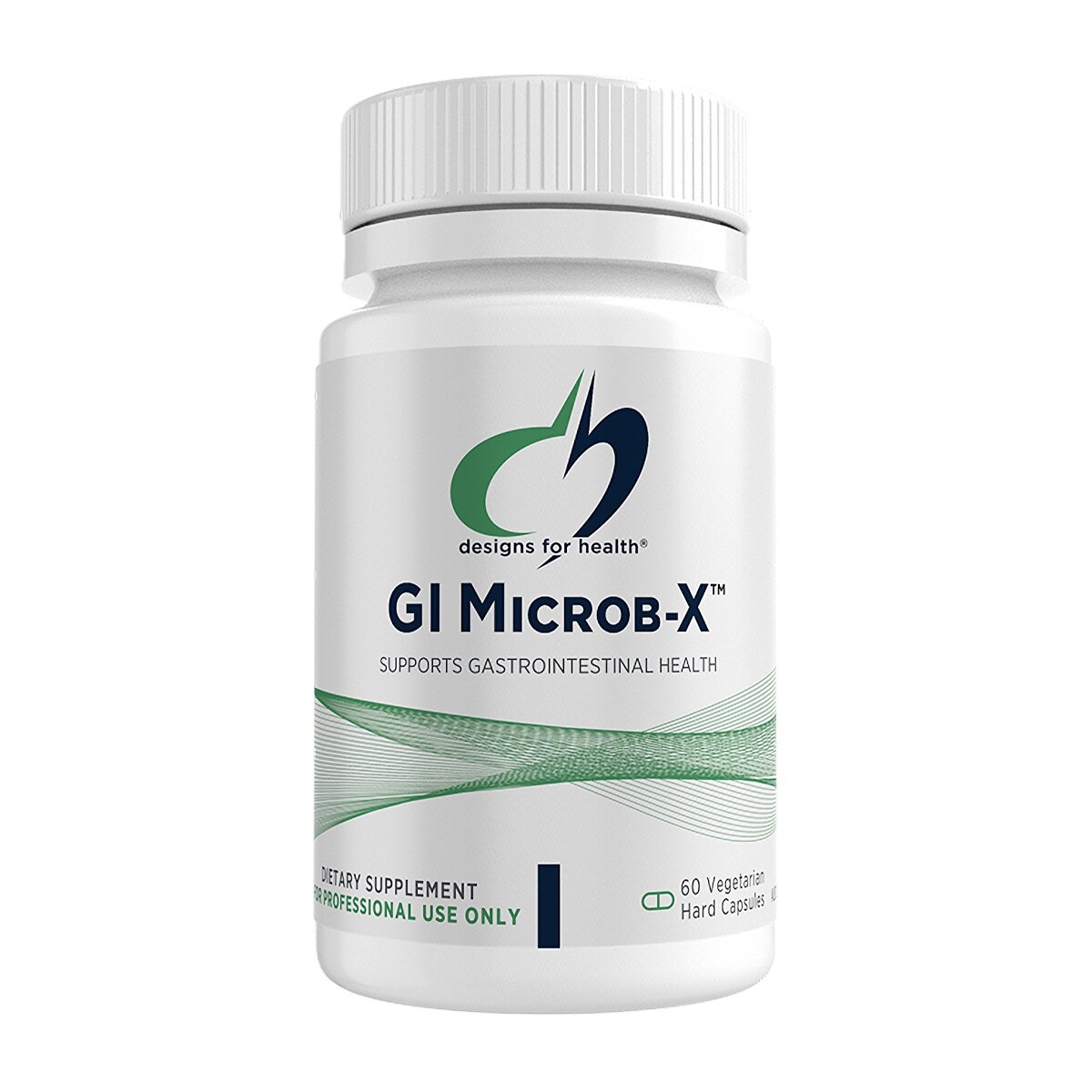
GI Microbe X combines clinically researched ingredients specifically selected for their documented effectiveness against parasitic protozoa infections and helminths (worms). These microscopic parasites affect an estimated 3.5 billion people globally, with clinical analysis in metropolitan regions showing Blastocystis spp. as the most common infection at 57%, Giardia at 27%, and Dientamoeba fragilis at 12% [1]. Meanwhile, helminth infections affect more than a quarter of the world's population, with 819 million people infected with roundworm, 464 million with whipworm, and 438 million with hookworm [7].
Pomegranate extract, a key component in this formula, has demonstrated remarkable clinical effectiveness against multiple parasitic species. The extract affects parasitic structure by altering tubulin proteins, leading to problems in microtubules essential for parasite shape and movement. This results in damage to the ventral disk used for surface attachment, impaired flagella movement, and cellular deformation [30]. In clinical studies comparing pomegranate peel extract to pharmaceutical treatments, both pomegranate and nitazoxanide significantly decreased cyst shedding compared to placebo, with the pomegranate group showing complete resolution by day 10. For Giardia infections, stool cyst counts reduced by 75.6% after 20 days of treatment, achieving an overall cure rate of 97.4% by day 28 [31]. Laboratory studies against Entamoeba histolytica showed strong growth inhibition and clear membrane damage over 48 hours [32].
Grape seed extract provides concentrated procyanidins, powerful compounds that support the body's natural defense mechanisms against parasitic infections. While the specific anti-parasitic mechanisms of grape seed procyanidins weren't detailed in the clinical literature reviewed, these polyphenolic compounds are well-documented for their antioxidant and anti-inflammatory properties that support overall immune function during parasitic challenges.
The inclusion of Livaux® gold kiwi fruit powder adds unique nutritional support to this parasitic management formula. Although not specifically mentioned in the parasitic infection protocols, kiwi fruit contains digestive enzymes like actinidin and provides prebiotic fiber that supports beneficial gut bacteria - important factors in maintaining intestinal health during parasitic treatment protocols. The gold variety used in Livaux® is particularly rich in vitamin C and antioxidants that support immune system function.
This combination of clinically researched ingredients works synergistically to address both protozoan parasites and helminths through multiple mechanisms. The pomegranate extract directly targets parasite structure and reproduction, while the supporting ingredients provide antioxidant protection and immune system support during the treatment process. Clinical evidence demonstrates that natural compounds can be as effective as pharmaceutical interventions, with pomegranate showing comparable results to established anti-parasitic medications while supporting overall digestive health.
Ingredients
Punica granatum (Pomegranate) ext.
ext. equiv. dry (fruit hull)
200 mg
3 g
Punica granatum (Pomegranate) ext.
ext. equiv. dry (fruit)
100 mg
1500 mg
Juglans nigra (Black walnut) ext.
ext. equiv. dry (fruit hull)
150 mg
750 mg
Artemisia annua (Sweet wormwood) ext.
ext. equiv. dry (herb)
150 mg
1500 mg
Berberis aristata (Indian barberry) ext.
ext. equiv. dry (root)
100 mg
4 g
Berberis vulgaris (Barberry) ext.
ext. equiv. dry (root)
50 mg
550 mg
Instructions
Instructions
Dosage
2 capsules daily with water
Duration
4 weeks
Warnings
Contains tree nuts
Dietary supplements should not replace a balanced diet
Not recommended for use by pregnant and lactating women or women likely to become pregnant
Contraindications
Contraindications
This supplement may interact with the following categories of medications, as well as specific active ingredients.
• Medications changed by the liver - refer list
• Medications that can harm the liver
• Dextromethorphan
• Losartan
• Medications for diabetes
• Medications for high blood pressure
• Medications that slow blood clotting
• Metformin
• Midazolam
• Pentobarbital
• Sedative medications
• Tacrolimus
• Rosuvastatin
• Warfarin
• Tolbutamide
• Diuretics
• Various medications used for glaucoma, Alzheimer disease, and other conditions
Further details are provided below.
Please note that medications may be sold under different brand names, so check the listed active ingredients against your medication packaging.
Major Interactions
Moderate Interactions
Medications changed by the liver
• Atorvastatin
• Simvastatin
• Amlodipine
• Diltiazem
• Cyclosporine
• Tacrolimus
• Midazolam
• Alprazolam
• Rivaroxaban
• Some HIV antiretrovirals
Some medications are changed and broken down by the liver. Sweet Annie might change how quickly the liver breaks down these medications. If you are taking medications metabolised by the liver, monitor for any changes in how your medication affects you.
Medications that can harm the liver
• Acetaminophen / Paracetamol
• Methotrexate
• Atorvastatin
• Simvastatin
• Isoniazid
Sweet Annie might harm the liver. Some medications can also harm the liver. Taking Sweet Annie along with a medication that can harm the liver might increase the risk of liver damage.
Dextromethorphan
• Robitussin DM, others
Berberine might decrease how quickly the body breaks down dextromethorphan. This might increase the effects and side effects of dextromethorphan.
Losartan
• Cozaar
• Hyzaar
• Used for: high blood pressure, heart failure
The liver activates losartan to make it work. Berberine might decrease how quickly the body activates it, which might decrease the effects of losartan.
• Glipizide
• Phenytoin
• Losartan
Some medications are changed and broken down by the liver. Berberine might change how quickly the liver breaks down these medications. If you are taking medications metabolised by the liver, monitor for any changes in how your medication affects you.
• Tramadol
• Metoprolol
• Fluoxetine
• Paroxetine
• Tamoxifen
• Amitriptyline
Medications for diabetes
• Glyburide
• Glipizide
• Insulin
• Sitagliptin
• Empagliflozin
• Semaglutide
• Dapagliflozin
Berberine might lower blood sugar levels. Taking berberine along with diabetes medications might cause blood sugar to drop too low. Monitor your blood sugar closely.
Medications for high blood pressure
• Amlodipine
• Ramipril
• Perindopril
• Metoprolol
• Losartan
• Hydrochlorothiazide
Berberine might lower blood pressure. Taking berberine along with medications that lower blood pressure might cause blood pressure to go too low. Monitor your blood pressure closely.
Medications that slow blood clotting
• Heparin
• Rivaroxaban
• Apixaban
• Dabigatran
• Clopidogrel
Berberine might slow blood clotting. Taking berberine along with medications that also slow blood clotting might increase the risk of bruising and bleeding.
Berberine might increase the amount of metformin in the body. This may increase its effects and side effects. This interaction seems to occur when berberine is taken around 2 hours before metformin. Taking berberine and metformin at the same time doesn't appear to increase the amount of metformin in the body.
Midazolam
• Versed
The body breaks down midazolam to get rid of it. Berberine can decrease how quickly the body breaks it down. This might increase the effects and side effects of midazolam.
Pentobarbital
• Nembutal
Pentobarbital is a medication that can cause sleepiness. Berberine might also cause sleepiness and drowsiness. Taking berberine with pentobarbital might cause too much sleepiness.
Sedative medications
• Diazepam
• Alprazolam
• Temazepam
• Zolpidem
• Zopiclone
• Promethazine
Berberine might cause sleepiness and slowed breathing. Some medications, called sedatives, can also cause sleepiness and slowed breathing. Taking berberine with sedative medications might cause breathing problems and/or too much sleepiness.
Tacrolimus
• Astagraf
• Used for: organ transplant anti-rejection
Tacrolimus is removed from the body by the liver. Berberine might slow down the body's ability to remove tacrolimus. This might increase the effects and side effects of tacrolimus.
Some medications are changed and broken down by the liver. Pomegranate might change how quickly the liver breaks down these medications. If you are taking medications metabolised by the liver, monitor for any changes in how your medication affects you.
• ACE inhibitors
Pomegranate might lower blood pressure. Taking pomegranate along with medications that lower blood pressure might cause blood pressure to go too low. Monitor your blood pressure closely.
Rosuvastatin
Rosuvastatin is broken down by the body. Taking pomegranate might decrease how quickly the body breaks down rosuvastatin. This might increase the effects and side effects of rosuvastatin.
• Jantoven
• Used for: blood thinning, clot prevention
Warfarin is broken down by the body. Drinking pomegranate juice might decrease how quickly the body breaks down warfarin. This might increase the effects and side effects of warfarin.
Drying medications
• Anticholinergic drugs
European barberry can block a chemical in the body called acetylcholine, which has many important functions. Some medications, called anticholinergic drugs, also block acetylcholine. There is some concern that taking them together might increase the risk for confusion, blurred vision, increased sweating, and increased heart rate.
Some medications are changed and broken down by the liver. European barberry might change how quickly the liver breaks down these medications. If you are taking medications metabolised by the liver, monitor for any changes in how your medication affects you.
European barberry might lower blood sugar levels. Taking European barberry along with diabetes medications might cause blood sugar to drop too low. Monitor your blood sugar closely.
European barberry might lower blood pressure. Taking European barberry along with medications that lower blood pressure might cause blood pressure to go too low. Monitor your blood pressure closely.
European barberry might slow blood clotting. Taking European barberry along with medications that also slow blood clotting might increase the risk of bruising and bleeding.
European barberry might cause sleepiness and slowed breathing. Some medications, called sedatives, can also cause sleepiness and slowed breathing. Taking European barberry with sedative medications might cause breathing problems and/or too much sleepiness.
Various medications used for glaucoma, Alzheimer disease, and other conditions
• Cholinergic drugs
Some medications that are used for glaucoma, Alzheimer disease, and other conditions increase acetylcholine levels. But European barberry can block acetylcholine. Taking European barberry with these medications might decrease the effects of these drugs.
Minor Interactions
Medications changed by the liver
• Warfarin
• Ibuprofen
• Diclofenac
• Glipizide
• Phenytoin
• Losartan
• Celecoxib
Some medications are changed and broken down by the liver. Pomegranate might change how quickly the liver breaks down these medications. If you are taking medications metabolised by the liver, monitor for any changes in how your medication affects you.
Tolbutamide
• Orinase
Tolbutamide is broken down by the body. Taking pomegranate might decrease how quickly the body breaks down tolbutamide. This might increase the effects and side effects of tolbutamide.
$11.19
Members Save
• Pomegranate extract achieved 97.4% cure rate against Giardia infections and 100% clearance of parasitic cysts in clinical trials
• Demonstrated effectiveness against multiple parasitic species including Blastocystis, Giardia, and Entamoeba histolytica through direct structural damage
• Clinical studies show pomegranate extract performs comparably to pharmaceutical anti-parasitic medications while supporting digestive health