
Clinical Benefits
Clinical Benefits
One of the key mechanisms through which GutGard® supports the management of functional dyspepsia (FD) is its ability to inhibit inflammatory prostaglandin synthesis. Prostaglandins are lipid-derived compounds that play a central role in triggering gastric pain and inflammation, primarily by sensitizing nerve endings and promoting mucosal irritation. In FD, even without visible ulcers, low-grade inflammation of the gastric lining contributes to symptoms such as bloating, discomfort, and early satiety. By reducing prostaglandin production, GutGard helps alleviate this inflammation, thereby relieving associated gastrointestinal symptoms.
This anti-inflammatory effect has been supported by clinical research. In a placebo-controlled trial involving 50 patients with FD, participants received either 75 mg of GutGard twice daily or a placebo for 30 days. Symptom severity was tracked throughout the study. By day 15, the GutGard group experienced a 39% reduction in total symptom scores and by day 30, symptom scores had decreased by 50%.[34]
Curcumin exerts multiple pharmacological actions relevant to FD. It selectively inhibits cyclooxygenase-2 (COX-2), reducing the production of pro-inflammatory prostaglandins that contribute to gastric irritation and visceral pain. It also suppresses tumor necrosis factor-alpha (TNF-α), a key mediator in chronic inflammation, while enhancing mucosal defense mechanisms, helping protect the gastric lining from irritation and inflammation.
In a clinical trial involving 206 patients with functional dyspepsia, curcumin, administered at 500 mg twice daily was found to be as effective as a proton pump inhibitor (PPI) in relieving hallmark symptoms such as epigastric pain, bloating, and postprandial fullness over an 8-week treatment period. This suggests that curcumin could serve as a non-acid-suppressive alternative to PPIs.[2]
Chamomile has long been used as a traditional remedy for various gastrointestinal issues, including functional dyspepsia. Its therapeutic value lies in its anti-inflammatory, antispasmodic, and sedative properties, which are particularly beneficial for soothing the gastrointestinal tract. The active compounds in chamomile, especially flavonoids like apigenin, and essential oils such as bisabolol and chamazulene help relax smooth muscles, reduce intestinal gas, and alleviate digestive discomfort.
For dyspepsia, chamomile is thought to support gastric motility, relieve abdominal cramps, and calm visceral hypersensitivity, which are often observed in FD. Clinical findings support its use as part of multi-herbal preparations , like Iberogast, showing chamomile can lower gastric acidity, increase mucin secretion, and inhibit inflammation, helping reduce upper GI symptoms like bloating, epigastric pain, and post eating fullness.[33]
Ingredients
BCM-95™ Turmeric Curcuma longa (Turmeric)
ext. ext. equiv. dry (root & rhizome)
100 mg
2.5 g
GutGard® Glycyrrhiza glabra deglycyrrhizinated (Licorice)
ext. ext. equiv. dry (root)
75 mg
2.1 g
Cynara scolymus (Globe artichoke)
ext. ext. equiv. dry (leaf)
80 mg
2 g
Matricaria chamomilla (Chamomile)
ext. ext. equiv. dry (flower)
83 mg
500 mg
Instructions
Instructions
Dosage
Take 1 tablet morning and night with food
Duration
8 weeks
Suitable for long-term management of upper digestive disorders
Warnings
Not recommended for children under 12 years
Do not use if pregnant, during lactation or if likely to become pregnant
Dietary supplements should not replace a balanced diet
Contraindications
Contraindications
This supplement may interact with the following categories of medications, as well as specific active ingredients.
• Medications changed by the liver
• Medications for cancer
• Medications for diabetes
• Medications moved by pumps in cells
• Medications that can harm the liver
• Medications that slow blood clotting
• Methotrexate
• Sulfasalazine
• Tacrolimus
• Talinolol
• Tamoxifen
• Tramadol
• Warfarin
• Docetaxel
• Estrogens
• Glyburide
• Losartan
• Norfloxacin
• Paclitaxel
Further details are provided below.
Please note that medications may be sold under different brand names, so check the listed active ingredients against your medication packaging.
Major Interactions
Moderate Interactions
Medications for cancer
• Doxorubicin
• Bleomycin
• Daunorubicin
• Mitomycin
• Epirubicin
• Cyclophosphamide
• Chlorambucil
• Melphalan
• Busulfan
• Temozolomide
Turmeric is an antioxidant. There is some concern that antioxidants might decrease the effects of medications used for cancer. If you are taking medications for cancer, check with your healthcare provider before taking turmeric.
Medications for diabetes
• Glyburide
• Glipizide
• Insulin
• Sitagliptin
• Empagliflozin
• Semaglutide
• Dapagliflozin
Turmeric might lower blood sugar levels. Taking turmeric along with diabetes medications might cause blood sugar to drop too low. Monitor your blood sugar closely.
Medications moved by pumps in cells
• Rosuvastatin
• Atorvastatin
• Simvastatin
• Methotrexate
• Fexofenadine (Telfast / Allegra)
• Levothyroxine (Eutroxsig / Oroxine)
• Dabigatran
• Cyclosporine
• Loperamide
• Some HIV antiretrovirals
Some medications are moved in and out of cells by pumps. Turmeric might change how these pumps work and change how much medication stays in the body. In some cases, this might change the effects and side effects of a medication.
Medications that can harm the liver
• Acetaminophen / Paracetamol (Tylenol, Panadol)
• Methotrexate
• Atorvastatin
• Simvastatin
• Isoniazid
Turmeric might harm the liver. Some medications can also harm the liver. Taking turmeric along with a medication that can harm the liver might increase the risk of liver damage.
Medications that slow blood clotting
• Heparin
• Rivaroxaban
• Apixaban
• Dabigatran
• Clopidogrel
Turmeric might slow blood clotting. Taking turmeric along with medications that also slow blood clotting might increase the risk of bruising and bleeding.
Medications changed by the liver
• Atorvastatin
• Simvastatin
• Amlodipine
• Diltiazem
• Cyclosporine
• Tacrolimus
• Midazolam
• Alprazolam
• Rivaroxaban
• Some HIV antiretrovirals
• Caffeine
• Clozapine
• Olanzapine
• Theophylline
• Tizanidine
• Duloxetine
• Ramelteon
Some medications are changed and broken down by the liver. Turmeric might change how quickly the liver breaks down these medications. If you are taking medications metabolised by the liver, monitor for any changes in how your medication affects you.
Methotrexate
Turmeric might harm the liver. Methotrexate can also harm the liver. Taking turmeric along with methotrexate might increase the risk of liver damage.
Sulfasalazine
Turmeric might increase how much sulfasalazine the body absorbs. Taking turmeric while taking sulfasalazine might increase the effects and side effects of sulfasalazine.
Tacrolimus
Turmeric might increase the amount of tacrolimus in the body. This can increase the side effects of tacrolimus and even damage the kidneys.
Talinolol
Turmeric might decrease how much talinolol the body absorbs. Taking turmeric while taking talinolol might decrease the effects of talinolol.
Tamoxifen
Turmeric might decrease how much tamoxifen is in the body. Taking turmeric with tamoxifen might decrease the effects of tamoxifen.
Tramadol
Turmeric might decrease or increase how much tramadol is in the body. Taking turmeric with tramadol might increase or decrease the effects of tramadol.
Minor Interactions
Docetaxel
Turmeric might increase how much docetaxel the body absorbs. Taking turmeric while taking docetaxel might increase the effects and side effects of docetaxel.
Estrogens
• Oral contraceptive pill (ethinyl estradiol)
• Estradiol (Estradot, Estrace)
• Conjugated estrogens
• HRT combination products (Premia, Kliogest)
Large amounts of turmeric might interfere with the effects of estrogen. Taking turmeric along with estrogen might decrease the effects of estrogens. Some estrogen pills include conjugated equine estrogens , ethinyl estradiol, estradiol, and others.
Glyburide
Turmeric contains curcumin. Curcumin might lower blood sugar. Glyburide is also used to lower blood sugar. Taking curcumin or turmeric along with glyburide might cause your blood sugar to go too low. Monitor your blood sugar closely. Your dose of glyburide might need to be changed.
Losartan
Taking turmeric while taking losartan might increase the effects and side effects of losartan.
Norfloxacin
Turmeric might increase how much norfloxacin the body absorbs. Taking turmeric while taking norfloxacin might increase the effects and side effects of norfloxacin.
Paclitaxel
Turmeric might change how much paclitaxel stays in the body. Taking turmeric while taking paclitaxel might change the effects and side effects of paclitaxel. However, this doesn't seem to be a big concern.
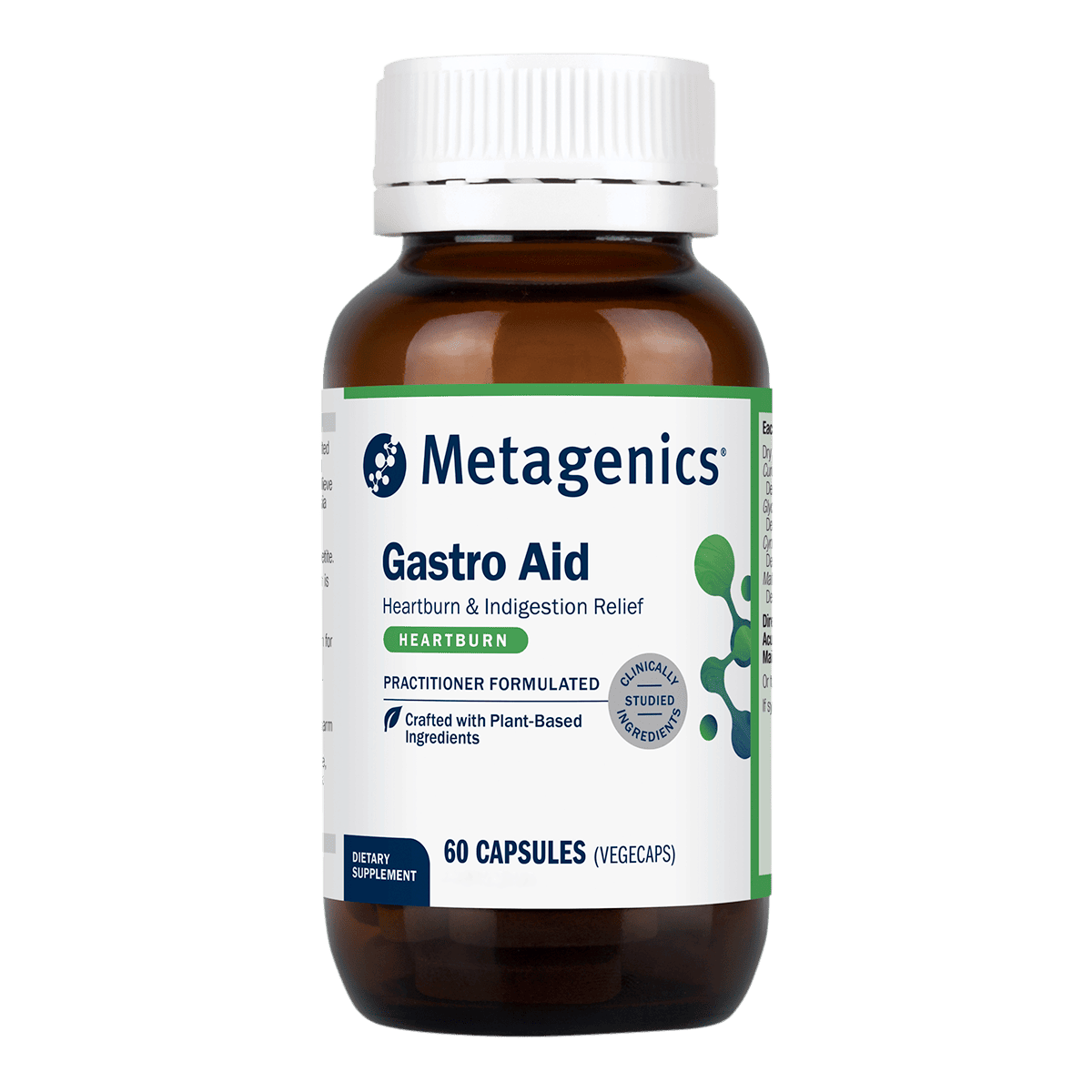
$13.30
Members Save
• GutGard® licorice extract reduced functional dyspepsia symptoms by 50% within 30 days in placebo-controlled studies
• GutGard® demonstrated 56% H. pylori eradication rate, addressing a key underlying cause found in up to 50% of dyspepsia cases
• Curcuminhas been found to be as effective as a proton pump inhibitor (PPI) in relieving hallmark symptoms such as epigastric pain, bloating, and postprandial fullness over 8-weeks