
Clinical Benefits
Clinical Benefits
During SIBO eradication, antimicrobial therapy leads to bacterial die-off, resulting in the release of endotoxins such as lipopolysaccharide (LPS). This can trigger a Herxheimer-type response, characterised by increased inflammatory signalling and symptoms including fatigue, malaise, and gastrointestinal discomfort. Curcumin, the active constituent of turmeric, plays a key role in modulating this response by interfering with LPS activation of the TLR4 receptor, thereby attenuating the downstream immune “alarm” and reducing the release of pro-inflammatory cytokines.
Experimental data supports this mechanism. In a rat model of induced TLR4 activation, curcumin administration (equivalent to approximately 1–1.3 g of curcuminoids in humans) resulted in significant downregulation of LPS-responsive inflammatory pathways. This was associated with measurable reductions in key cytokines, including TNF-α (27%), IL-1 (45%), and IL-6 (21%). Clinically, this translates to improved tolerance of antimicrobial protocols by reducing the local and systemic impact of die-off reactions. [33]
Ingredients
Curcuma longa (Turmeric) (rhizome) ext. equiv. dry
equiv. ext.
equiv. Curcumin
equiv. Curcuminoids
33 g
1000 mg
165 mg
200 mg
Instructions
Instructions
Dosage
1 capsule morning and night with food
Duration
4 weeks
Warnings
Not suitable during pregnancy or lactation
In very cases curcuma species may harm the liver. Stop use and see a doctor if you have yellowing of the skin/ eyes or unusual fatigue, nausea, appetite loss, abdominal pain, dark urine or itching
Dietary supplements should not replace a balanced diet
Contraindications
Contraindications
This supplement may interact with the following categories of medications, as well as specific active ingredients.
• Medications changed by the liver
• Medications for cancer
• Medications for diabetes
• Medications moved by pumps in cells
• Medications that can harm the liver
• Medications that slow blood clotting
• Methotrexate
• Sulfasalazine
• Tacrolimus
• Talinolol
• Tamoxifen
• Tramadol
• Warfarin
• Docetaxel
• Estrogens
• Glyburide
• Losartan
• Norfloxacin
• Paclitaxel
Further details are provided below.
Please note that medications may be sold under different brand names, so check the listed active ingredients against your medication packaging.
Major Interactions
Moderate Interactions
Medications for cancer
• Doxorubicin
• Bleomycin
• Daunorubicin
• Mitomycin
• Epirubicin
• Cyclophosphamide
• Chlorambucil
• Melphalan
• Busulfan
• Temozolomide
Turmeric is an antioxidant. There is some concern that antioxidants might decrease the effects of medications used for cancer. If you are taking medications for cancer, check with your healthcare provider before taking turmeric.
Medications for diabetes
• Glyburide
• Glipizide
• Insulin
• Sitagliptin
• Empagliflozin
• Semaglutide
• Dapagliflozin
Turmeric might lower blood sugar levels. Taking turmeric along with diabetes medications might cause blood sugar to drop too low. Monitor your blood sugar closely.
Medications moved by pumps in cells
• Rosuvastatin
• Atorvastatin
• Simvastatin
• Methotrexate
• Fexofenadine (Telfast / Allegra)
• Levothyroxine (Eutroxsig / Oroxine)
• Dabigatran
• Cyclosporine
• Loperamide
• Some HIV antiretrovirals
Some medications are moved in and out of cells by pumps. Turmeric might change how these pumps work and change how much medication stays in the body. In some cases, this might change the effects and side effects of a medication.
Medications that can harm the liver
• Acetaminophen / Paracetamol (Tylenol, Panadol)
• Methotrexate
• Atorvastatin
• Simvastatin
• Isoniazid
Turmeric might harm the liver. Some medications can also harm the liver. Taking turmeric along with a medication that can harm the liver might increase the risk of liver damage.
Medications that slow blood clotting
• Heparin
• Rivaroxaban
• Apixaban
• Dabigatran
• Clopidogrel
Turmeric might slow blood clotting. Taking turmeric along with medications that also slow blood clotting might increase the risk of bruising and bleeding.
Medications changed by the liver
• Atorvastatin
• Simvastatin
• Amlodipine
• Diltiazem
• Cyclosporine
• Tacrolimus
• Midazolam
• Alprazolam
• Rivaroxaban
• Some HIV antiretrovirals
• Caffeine
• Clozapine
• Olanzapine
• Theophylline
• Tizanidine
• Duloxetine
• Ramelteon
Some medications are changed and broken down by the liver. Turmeric might change how quickly the liver breaks down these medications. If you are taking medications metabolised by the liver, monitor for any changes in how your medication affects you.
Methotrexate
Turmeric might harm the liver. Methotrexate can also harm the liver. Taking turmeric along with methotrexate might increase the risk of liver damage.
Sulfasalazine
Turmeric might increase how much sulfasalazine the body absorbs. Taking turmeric while taking sulfasalazine might increase the effects and side effects of sulfasalazine.
Tacrolimus
Turmeric might increase the amount of tacrolimus in the body. This can increase the side effects of tacrolimus and even damage the kidneys.
Talinolol
Turmeric might decrease how much talinolol the body absorbs. Taking turmeric while taking talinolol might decrease the effects of talinolol.
Tamoxifen
Turmeric might decrease how much tamoxifen is in the body. Taking turmeric with tamoxifen might decrease the effects of tamoxifen.
Tramadol
Turmeric might decrease or increase how much tramadol is in the body. Taking turmeric with tramadol might increase or decrease the effects of tramadol.
Minor Interactions
Docetaxel
Turmeric might increase how much docetaxel the body absorbs. Taking turmeric while taking docetaxel might increase the effects and side effects of docetaxel.
Estrogens
• Oral contraceptive pill (ethinyl estradiol)
• Estradiol (Estradot, Estrace)
• Conjugated estrogens
• HRT combination products (Premia, Kliogest)
Large amounts of turmeric might interfere with the effects of estrogen. Taking turmeric along with estrogen might decrease the effects of estrogens. Some estrogen pills include conjugated equine estrogens , ethinyl estradiol, estradiol, and others.
Glyburide
Turmeric contains curcumin. Curcumin might lower blood sugar. Glyburide is also used to lower blood sugar. Taking curcumin or turmeric along with glyburide might cause your blood sugar to go too low. Monitor your blood sugar closely. Your dose of glyburide might need to be changed.
Losartan
Taking turmeric while taking losartan might increase the effects and side effects of losartan.
Norfloxacin
Turmeric might increase how much norfloxacin the body absorbs. Taking turmeric while taking norfloxacin might increase the effects and side effects of norfloxacin.
Paclitaxel
Turmeric might change how much paclitaxel stays in the body. Taking turmeric while taking paclitaxel might change the effects and side effects of paclitaxel. However, this doesn't seem to be a big concern.
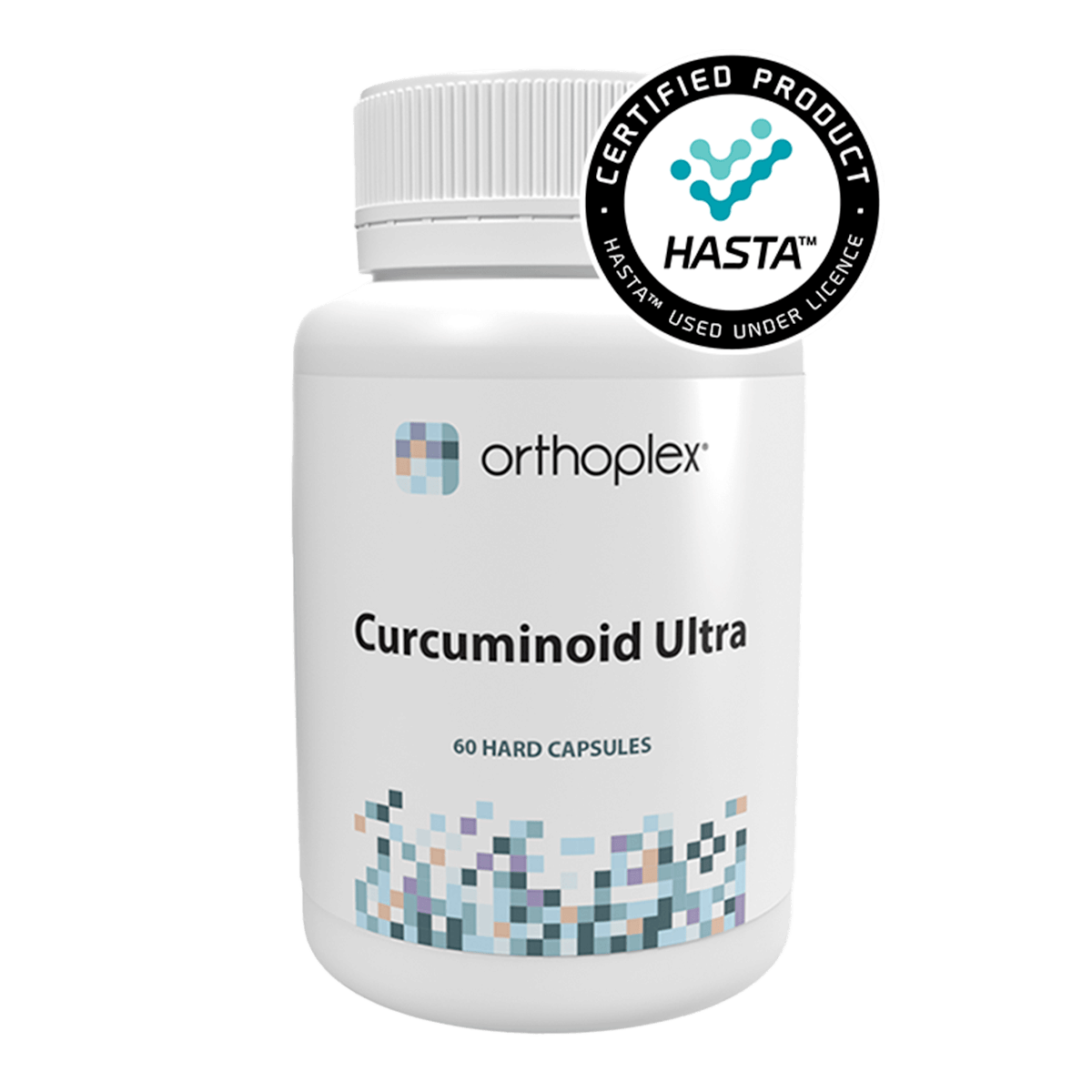
$15.99
Members Save
• Curcumin inhibits activation of the TLR4 receptor, reducing the intensity of the immune “alarm” triggered by bacterial endotoxins during SIBO die-off
• By dampening endotoxin-induced inflammation, curcumin reduces fatigue and gastrointestinal irritation associated with antimicrobial therapy
• Reduces key inflammatory mediators, including TNF-α (27%), IL-1 (45%), and IL-6 (21%), helping to attenuate gastrointestinal inflammatory responses