
Clinical Benefits
Clinical Benefits
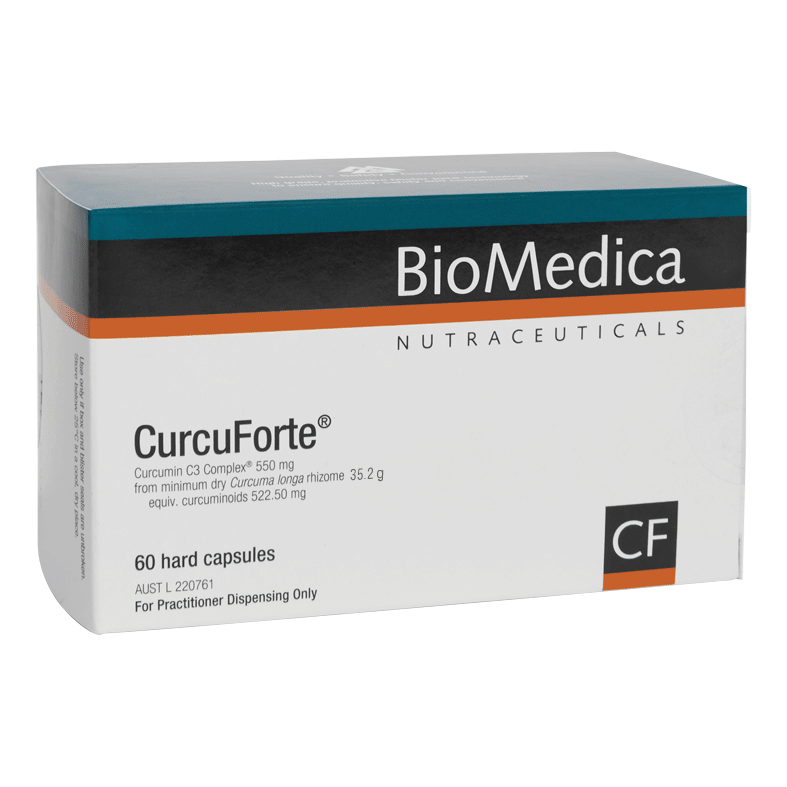
Curcuforte contains Curcumin C3 Complex®, a standardized turmeric extract targeting Helicobacter pylori, the bacterial culprit behind up to 90% of gastric ulcers and chronic gastric inflammation. This potent formulation leverages the clinically-proven antimicrobial properties of curcumin to combat H. pylori colonization while supporting gastric healing and immune balance.
Curcumin exhibits both bactericidal and anti-adhesive properties against H. pylori through multiple mechanisms. It kills the bacteria directly via phenolic compounds like curcumin, which disrupt bacterial membranes and metabolic enzymes, while simultaneously blocking H. pylori's ability to adhere to gastric epithelial cells by interfering with bacterial adhesins like BabA, thus preventing colonization [40]. This dual action makes curcumin particularly effective at both eliminating existing infections and preventing reestablishment.
Clinical trials demonstrate impressive eradication rates with curcumin supplementation. In one study, curcumin extract standardized to 95% given for 2 weeks achieved a 62% reduction in H. pylori colonization, accompanied by notable suppression of urease activity—a key enzyme critical to the bacterium's survival in acidic gastric conditions. The treatment also inhibited biofilm formation by over 66%, preventing H. pylori from establishing persistent colonies that are typically resistant to treatment [41].
Beyond direct antimicrobial effects, curcumin supports immune system recovery from H. pylori infection. The same clinical trial showed curcumin increased H. pylori IgG immune antibody production by over 40% and modulated cytokine activity, with anti-inflammatory IL-4 levels rising by roughly 30% while pro-inflammatory IFN-γ levels decreased by about 35%. This shift toward anti-inflammatory immune balance helps resolve the chronic gastric inflammation that H. pylori typically perpetuates [41].
Curcumin also addresses the hormonal disruptions caused by H. pylori infection. The treatment restored gastrin and somatostatin levels, which had been suppressed by the infection, showing significant recovery of gastric hormone balance essential for proper digestive function. This restoration helps normalize gastric acid production and digestive signaling that H. pylori disrupts [41]. These comprehensive effects highlight curcumin as an effective natural approach for reducing H. pylori-induced gastric pathology while supporting overall gastric health recovery.
Ingredients
Curcumin C3 Complex® Curcuma longa (Turmeric) ext.
equiv. Curcuminoids dry (rhizome)
550 mg
522.5 mg
35.2 g
Instructions
Instructions
Dosage
1 capsule 3 times daily with water
Alternatively, 1 morning, 2 night
Duration
20 days
Warnings
In very rare cases, curcumin may harm the liver. Stop use and see a doctor if you have yellowing skin/ eyes or unusual: fatigue, nausea, appetite loss, abdominal pain, dark urine, or itching
Always read the label
Dietary supplements should not replace a balanced diet
If symptoms persist, worsen or change unexpectedly, consult your healthcare professional
Contraindications
Contraindications
This supplement may interact with the following categories of medications, as well as specific active ingredients.
• Medications changed by the liver - refer list
• Medications for cancer
• Medications for diabetes
• Medications moved by pumps in cells - refer list
• Medications that can harm the liver
• Medications that slow blood clotting
• Methotrexate
• Sulfasalazine
• Tacrolimus
• Talinolol
• Tamoxifen
• Tramadol
• Warfarin
• Docetaxel
• Estrogens
• Glyburide
• Losartan
• Norfloxacin
• Paclitaxel
Further details are provided below.
Please note that medications may be sold under different brand names, so check the listed active ingredients against your medication packaging.
Major Interactions
Moderate Interactions
Medications changed by the liver
• Atorvastatin
• Simvastatin
• Amlodipine
• Diltiazem
• Cyclosporine
• Tacrolimus
• Midazolam
• Alprazolam
• Rivaroxaban
• Some HIV antiretrovirals
Some medications are changed and broken down by the liver. Turmeric might change how quickly the liver breaks down these medications. If you are taking medications metabolised by the liver, monitor for any changes in how your medication affects you.
Medications for cancer
• Cyclophosphamide
• Chlorambucil
• Melphalan
• Busulfan
• Temozolomide
Turmeric is an antioxidant. There is some concern that antioxidants might decrease the effects of some medications used for cancer. If you are taking medications for cancer, check with your healthcare provider before taking turmeric.
• Doxorubicin
• Bleomycin
• Daunorubicin
• Mitomycin
• Epirubicin
Turmeric is an antioxidant. There is some concern that antioxidants might decrease the effects of medications used for cancer. If you are taking medications for cancer, check with your healthcare provider before taking turmeric.
Medications for diabetes
• Glyburide
• Glipizide
• Insulin
• Sitagliptin
• Empagliflozin
• Semaglutide
• Dapagliflozin
Turmeric might lower blood sugar levels. Taking turmeric along with diabetes medications might cause blood sugar to drop too low. Monitor your blood sugar closely.
Medications moved by pumps in cells
• Rosuvastatin
• Atorvastatin
• Simvastatin
• Methotrexate
• Fexofenadine
• Levothyroxine
Some medications are moved in and out of cells by pumps. Turmeric might change how these pumps work and change how much medication stays in the body. In some cases, this might change the effects and side effects of a medication.
Medications that can harm the liver
• Acetaminophen / Paracetamol
• Methotrexate
• Atorvastatin
• Simvastatin
• Isoniazid
Turmeric might harm the liver. Some medications can also harm the liver. Taking turmeric along with a medication that can harm the liver might increase the risk of liver damage.
Medications that slow blood clotting
• Heparin
• Rivaroxaban
• Apixaban
• Dabigatran
• Clopidogrel
Turmeric might slow blood clotting. Taking turmeric along with medications that also slow blood clotting might increase the risk of bruising and bleeding.
Methotrexate
• Trexall
• Otrexup
• Rasuvo
• Used for: rheumatoid arthritis, psoriasis, certain cancers
Turmeric might harm the liver. Methotrexate can also harm the liver. Taking turmeric along with methotrexate might increase the risk of liver damage.
Sulfasalazine
• Azulfidine
• Used for: Crohn's disease, ulcerative colitis, rheumatoid arthritis
Turmeric might increase how much sulfasalazine the body absorbs. Taking turmeric while taking sulfasalazine might increase the effects and side effects of sulfasalazine.
Tacrolimus
• Astagraf
• Used for: organ transplant anti-rejection
Turmeric might increase the amount of tacrolimus in the body. This can increase the side effects of tacrolimus and even damage the kidneys.
Talinolol
• Cordanum
• Used for: angina, heart conditions
Turmeric might decrease how much talinolol the body absorbs. Taking turmeric while taking talinolol might decrease the effects of talinolol.
Tamoxifen
• Soltamox
• Used for: breast cancer treatment and prevention
Turmeric might decrease how much tamoxifen is in the body. Taking turmeric with tamoxifen might decrease the effects of tamoxifen.
Tramadol
• ConZip
• Used for: moderate to severe pain
Turmeric might decrease or increase how much tramadol is in the body. Taking turmeric with tramadol might increase or decrease the effects of tramadol.
• Jantoven
• Used for: blood thinning, clot prevention
Warfarin is used to slow blood clotting. Taking turmeric while taking warfarin might increase the effects of warfarin and increase the risk of bleeding and bruising.
Minor Interactions
Docetaxel
• Taxotere
• Used for: breast, lung, prostate cancer
Turmeric might increase how much docetaxel the body absorbs. Taking turmeric while taking docetaxel might increase the effects and side effects of docetaxel.
Estrogens
• Oral contraceptive pill
• Estradiol
• Conjugated estrogens
• HRT combination products
Large amounts of turmeric might interfere with the effects of estrogen. Taking turmeric along with estrogen might decrease the effects of estrogens. Some estrogen pills include conjugated equine estrogens, ethinyl estradiol, estradiol, and others.
Glyburide
• Diabeta
• Micronase
• Glynase
• Used for: type 2 diabetes
Turmeric contains curcumin. Curcumin might lower blood sugar. Glyburide is also used to lower blood sugar. Taking curcumin or turmeric along with glyburide might cause your blood sugar to go too low. Monitor your blood sugar closely. Your dose of glyburide might need to be changed.
Losartan
• Cozaar
• Hyzaar
• Used for: high blood pressure, heart failure
Taking turmeric while taking losartan might increase the effects and side effects of losartan.
Medications changed by the liver
• Caffeine
• Clozapine
• Olanzapine
• Theophylline
• Tizanidine
• Duloxetine
• Ramelteon
Some medications are changed and broken down by the liver. Turmeric might change how quickly the liver breaks down these medications. If you are taking medications metabolised by the liver, monitor for any changes in how your medication affects you.
Medications moved by pumps in cells
• Digoxin
• Dabigatran
• Cyclosporine
• Fexofenadine
• Loperamide
• Some HIV antiretrovirals
Some medications are moved in and out of cells by pumps. Turmeric might change how these pumps work and change how much medication stays in the body. In some cases, this might change the effects and side effects of a medication.
Norfloxacin
• Noroxin
• Used for: urinary tract infections
Turmeric might increase how much norfloxacin the body absorbs. Taking turmeric while taking norfloxacin might increase the effects and side effects of norfloxacin.
Paclitaxel
• Abraxane
• Onxol
• Taxol
• Used for: various cancers
Turmeric might change how much paclitaxel stays in the body. Taking turmeric while taking paclitaxel might change the effects and side effects of paclitaxel. However, this doesn't seem to be a big concern.
$22.34
Members Save
• Achieves 62% H. pylori eradication rate in clinical trials with standardized 95% curcumin extract
• Inhibits bacterial biofilm formation by over 66%, preventing resistant colony establishment
• Increases immune antibody production by 40% while reducing inflammatory cytokines by 35%