
Clinical Benefits
Clinical Benefits
Cell Protect is formulated to support regulatory T cell (Treg) function, addressing the immune dysfunction that underlies autoimmune conditions. Tregs serve as critical gatekeepers of immune tolerance, functioning like brakes that prevent autoreactive immune responses from attacking healthy tissues. When these cells become functionally impaired or lose their stability, autoimmune diseases can develop or progress.
Vitamin D3 plays a fundamental role in Treg function by directly triggering FOXP3 expression, the master transcription factor essential for Treg development and stability. Clinical studies demonstrate that vitamin D can stimulate FOXP3 production both directly and by influencing dendritic cells to create a more tolerant immune environment. Additionally, vitamin D3 helps maintain proper functioning of the IL-2 pathway by preserving IL-2 receptor expression, which is crucial for Treg survival and activity, preventing the decline in Treg function that could worsen autoimmune activity [27][28].
Zinc deficiency significantly impacts Treg quality and function. Research shows that under zinc deficiency, Treg production increases but these cells are functionally impaired, unable to provide proper immune regulation. When zinc levels are adequate, both Treg numbers and their full functioning capacity are optimized. Zinc is essential for Treg growth because it enables IL-2 to fully activate the ERK signaling pathway, which promotes gene expression important for Treg survival and expansion. Furthermore, zinc helps regulate IL-6 signaling by keeping Smad pathway activation in check, supporting immune balance and preventing the overproduction of inflammatory Th17 cells that drive autoimmune diseases [35][36].
The BCM-95 turmeric extract and resveratrol from Japanese knotweed work synergistically to support Treg stability. Resveratrol activates a key transcription factor (AhR) involved in Treg differentiation, helping restore FOXP3 expression and stabilize Treg identity. This enhances the function of existing Tregs by increasing their suppressive capacity and helps maintain immune balance [23][37]. Green tea extract provides EGCG, which strongly increases Treg numbers by promoting FOXP3 expression through epigenetic mechanisms. EGCG inhibits DNA methyltransferase activity, leading to demethylation of the Foxp3 promoter, an essential change required for stable and long-lasting Treg differentiation [26].
Korean ginseng (Panax ginseng) provides comprehensive immune modulation particularly beneficial for autoimmune conditions through its regulation of key cytokines. Clinical studies show that Panax ginseng consistently down-regulates IL-6 expression in various tissues and robustly inhibits TNF-α, both master pro-inflammatory cytokines that impair FOXP3 expression and contribute to autoimmune disease pathogenesis. These anti-inflammatory effects occur through inhibition of NF-κB and MAPK signaling cascades. Concurrently, Panax ginseng stimulates IL-2 synthesis by enhancing its secretion through T-cell activation, making it effective for autoimmune management at multiple checkpoints [40][41][42].
Selenium and molybdenum provide additional antioxidant support, while vitamin K1 supports overall immune function. These nutrients work together to create an optimal environment for Treg development and maintenance, complementing the primary active ingredients in addressing the root immune dysfunction underlying autoimmune conditions.
[23]>https://pubmed.ncbi.nlm.nih.gov/34950150/
[26]>https://pmc.ncbi.nlm.nih.gov/articles/PMC4125122/
[27]>https://pmc.ncbi.nlm.nih.gov/articles/PMC6759203/
[28]>https://pubmed.ncbi.nlm.nih.gov/29153546/
[35]>https://www.sciencedirect.com/science/article/pii/S0946672X24001767
[36]>https://pubmed.ncbi.nlm.nih.gov/20201035/
[37]>https://pubmed.ncbi.nlm.nih.gov/24176237/
[40]>https://pmc.ncbi.nlm.nih.gov/articles/PMC6606836/
Ingredients
Cholecalciferol (Vitamin D3)
equiv. Vitamin D3
12.5 μg
500 IU
Phytomenadione (Vitamin K1)
2.5 mg
Zinc sulphate monohydrate
equiv. Zinc
41 mg
15 mg
Selenomethionine (Selenium)
equiv. Selenium
188 μg
75 μg
Molybdenum trioxide
equiv. Molybdenum
94 μg
62.5 μg
Fallopia japonica (Japanese knotweed) ext.
equiv. Resveratrol
ext. equiv. dry (root)
125 mg
25 mg
12.5 g
Camellia sinensis (Green tea) ext.
ext. equiv. dry (leaf)
200 mg
5 g
BCM-95™ Turmeric Curcuma longa (Turmeric) ext.
ext. equiv. dry (rhizome)
76 mg
1.9 g
Panax ginseng (Korean ginseng) ext.
ext. equiv. dry (root)
50 mg
500 mg
Instructions
Instructions
Dosage
1 tablet twice daily with meals
Duration
Long-term support for immune regulation and autoimmune correction
Warnings
Adults only
Contains 20 mg caffeine per tablet
Always read the label
Dietary supplements should not replace a balanced diet
If symptoms persist, worsen or change unexpectedly, consult your healthcare professional
Contains zinc which may be dangerous if taken in large amounts or for a long period
Do not take while on warfarin therapy without medical advice
Contains selenium which is toxic in high doses; a daily dose of 150 µg for adults of selenium from dietary supplements should not be exceeded
Caffeine intake of more than 200 mg daily is not recommended during pregnancy or lactation; a cup of instant coffee contains approximately 80 mg of caffeine
Contraindications
Contraindications
This supplement may interact with the following categories of medications, as well as specific active ingredients.
• Adenosine
• Atorvastatin
• Nadolol
• Antibiotics
• Birth Control Pills
• Bortezomib
• Carbamazepine
• Celiprolol
• Cimetidine
• Clozapine
• Dipyridamole
• Disulfiram
• Estrogens
• Ethosuximide
• Felbamate
• Fexofenadine
• Flutamide
• Fluvoxamine
• Imatinib
• Medications for asthma
• Medications for depression
• Medications moved by pumps in cells - refer list - refer list
• Medications that can harm the liver - refer list
• Medications that slow blood clotting
• Nintedanib
• Pentobarbital
• Phenobarbital
• Phenytoin
• Pioglitazone
• Riluzole
• Rosuvastatin
• Verapamil
• Warfarin
• Diuretics
• Alcohol
• Fluconazole
• Medications changed by the liver - refer list - refer list
• Medications for diabetes
• Metformin
• Methoxsalen
• Mexiletine
• Midazolam
• Nicardipine
• Terbinafine
• Tiagabine
• Ticlopidine
• Medications that decrease the immune system
• Sedative medications
• Furosemide
• Medications changed by the liver - refer list
• Medications that can cause an irregular heartbeat
• Nifedipine
• Raltegravir
• Selegiline
• Medications for cancer
• Medications moved by pumps in cells - refer list
• Medications that can harm the liver
• Methotrexate
• Sulfasalazine
• Tacrolimus
• Talinolol
• Tamoxifen
• Tramadol
• Docetaxel
• Glyburide
• Losartan
• Norfloxacin
• Paclitaxel
• Bictegravir/emtricitabine/tenofovir alafenamide
• Cephalexin
• Cisplatin
• Medications for HIV/AIDS
• Penicillamine
• Ritonavir
• Atazanavir
• Calcipotriene
• Digoxin
• Diltiazem
Further details are provided below.
Please note that medications may be sold under different brand names, so check the listed active ingredients against your medication packaging.
Major Interactions
Atorvastatin
Green tea extract might decrease how much atorvastatin the body absorbs. Taking green tea extract along with atorvastatin might decrease the effects of atorvastatin.
Ephedrine
Stimulant drugs speed up the nervous system. Green tea contains caffeine. Caffeine and ephedrine are both stimulant drugs. Taking green tea along with ephedrine might cause too much stimulation and sometimes serious side effects and heart problems. Do not take caffeine-containing products and ephedrine at the same time.
Nadolol
• Corgard
Green tea might decrease how much nadolol the body absorbs. Taking green tea along with nadolol might decrease the effects of nadolol.
Moderate Interactions
Adenosine
• Adenocard
Green tea contains caffeine. The caffeine in green tea might block the effects of adenosine, which is often used by doctors to do a test called a cardiac stress test. Stop consuming green tea at least 24 hours before a cardiac stress test.
Antibiotics
• Doxycycline
• Ciprofloxacin
• Amoxicillin
• Azithromycin
• Norfloxacin
• Trimethoprim
The body breaks down caffeine to get rid of it. Some antibiotics might decrease how quickly the body breaks down caffeine. Taking these antibiotics along with green tea can increase the risk of side effects including jitteriness, headache, increased heart rate, and other side effects.
Birth control pills
Green tea contains caffeine. The body breaks down caffeine to get rid of it. Birth control pills can decrease how quickly the body breaks down caffeine. This might increase the risk for side effects from caffeine, such as jitteriness, headache, and fast heartbeat.
Bortezomib
• Velcade
Bortezomib is used in certain types of cancers. Green tea might interact with bortezomib and decrease its effects. If you take bortezomib, avoid taking green tea products.
Carbamazepine
Caffeine can decrease the effects of carbamazepine. Since green tea contains caffeine, taking green tea with carbamazepine might decrease the effects of carbamazepine.
Celiprolol
• Celicard
Green tea appears to decrease how much celiprolol is absorbed into the body. This might decrease the effects of celiprolol.
Cimetidine
• Tagamet
Green tea contains caffeine. The body breaks down caffeine to get rid of it. Cimetidine can decrease how quickly the body breaks down caffeine. Taking cimetidine along with green tea might increase the chance of caffeine side effects including jitteriness, headache, fast heartbeat, and others.
Clozapine
• Clozaril
The body breaks down clozapine to get rid of it. The caffeine in green tea seems to decrease how quickly the body breaks down clozapine. Taking green tea along with clozapine can increase the effects and side effects of clozapine.
Dipyridamole
• Persantine
Green tea contains caffeine. The caffeine in green tea might block the effects of dipyridamole. Dipyridamole is often used by doctors to do a test on the heart called a cardiac stress test. Stop drinking green tea at least 24 hours before a cardiac stress test.
Disulfiram
• Antabuse
The body breaks down caffeine to get rid of it. Disulfiram can decrease how quickly the body gets rid of caffeine. Taking green tea along with disulfiram might increase the effects and side effects of caffeine, including jitteriness, hyperactivity, irritability, and others.
Estrogens
• Oral contraceptive pill
• Estradiol
• Conjugated estrogens
• HRT combination products
The body breaks down the caffeine in green tea to get rid of it. Estrogens can decrease how quickly the body breaks down caffeine. Taking estrogen and drinking green tea can increase the risk of caffeine side effects, including jitteriness, headache, fast heartbeat, and others.
Ethosuximide
• Zarontin
Ethosuximide is a drug used to treat seizures. Caffeine in green tea can decrease the effects of ethosuximide. Taking green tea with ethosuximide might decrease the effects of ethosuximide. This might increase the risk of seizures.
Felbamate
• Felbatol
Felbamate is a drug used to treat seizures. The caffeine in green tea might decrease the effects of felbamate and increase the risk of seizures in some people.
Fexofenadine
• Allegra
Green tea might decrease how much fexofenadine the body absorbs. Separate taking this medication from consuming green tea.
Flutamide
• Eulexin
The body breaks down flutamide to get rid of it. The caffeine in green tea might decrease how quickly the body gets rid of flutamide. This could increase the effects and side effects of flutamide.
Fluvoxamine
• Luvox
The body breaks down the caffeine in green tea to get rid of it. Fluvoxamine can decrease how quickly the body breaks down caffeine. Taking fluvoxamine along with green tea might increase the risk of caffeine side effects such as jitteriness, headache, fast heartbeat, and others.
Imatinib
• Gleevec
Imatinib is used to treat certain types of cancer. Green tea appears to reduce how much imatinib gets into the body. This might decrease the effects of imatinib.
Lisinopril
Green tea appears to decrease how much lisinopril is absorbed into the body. This might decrease the effects of lisinopril.
The caffeine in green tea can increase how quickly the body gets rid of lithium. If you take products that contain caffeine and you take lithium, don't stop taking caffeine all at once. Decrease the daily dose of caffeine slowly. Stopping caffeine too quickly can increase the side effects of lithium.
Medications for asthma
• Beta-adrenergic agonists
Green tea contains caffeine. Caffeine can stimulate the heart. Some medications for asthma can also stimulate the heart. Taking caffeine with some medications for asthma might cause too much stimulation and cause heart problems.
Medications for depression
• MAOIs
Green tea contains caffeine. There is some concern that caffeine can interact with certain medications, called MAOIs. If caffeine is taken with these medications, it might increase the risk for serious side effects including fast heartbeat and very high blood pressure. Some common MAOIs include phenelzine, selegiline, and tranylcypromine.
Medications moved by pumps in cells
• Rosuvastatin
• Atorvastatin
• Simvastatin
• Methotrexate
• Fexofenadine
• Levothyroxine
Some medications are moved in and out of cells by pumps. Green tea might change how these pumps work and change how much medication stays in the body. In some cases, this might change the effects and side effects of a medication.
• Dabigatran
• Cyclosporine
• Fexofenadine
• Loperamide
• Some HIV antiretrovirals
Medications that can harm the liver
• Acetaminophen / Paracetamol
• Methotrexate
• Atorvastatin
• Simvastatin
• Isoniazid
Green tea extracts might harm the liver. Some medications can also harm the liver. Taking green tea extracts along with a medication that can harm the liver might increase the risk of liver damage.
Medications that slow blood clotting
• Heparin
• Rivaroxaban
• Apixaban
• Dabigatran
• Clopidogrel
Green tea might slow blood clotting. Taking green tea along with medications that also slow blood clotting might increase the risk of bruising and bleeding.
Nicotine
Stimulant drugs such as nicotine speed up the nervous system. The caffeine in green tea might also speed up the nervous system. Taking green tea along with stimulant drugs might cause serious problems, including increased heart rate and high blood pressure. Avoid taking stimulant drugs along with caffeine.
Nintedanib
• Ofev
Green tea might decrease how much nintedanib is in the body. It's not clear if this is a real concern.
Pentobarbital
• Nembutal
The stimulant effects of the caffeine in green tea can block the sleep-producing effects of pentobarbital.
Phenobarbital
• Luminal
Phenobarbital is a drug used to treat seizures. The caffeine in green tea might decrease the effects of phenobarbital and increase the risk of seizures in some people.
Phenylpropanolamine
Green tea contains caffeine. Caffeine can stimulate the body. Phenylpropanolamine can also stimulate the body. Taking green tea and phenylpropanolamine together might cause too much stimulation and increase heartbeat and blood pressure and cause nervousness.
Phenytoin
Phenytoin is a drug used to treat seizures. The caffeine in green tea can decrease the effects of phenytoin. Taking green tea with phenytoin might decrease the effects of phenytoin and increase the risk of seizures in some people.
Pioglitazone
• Actos
Green tea contains caffeine. Caffeine might increase the amount of pioglitazone that the body absorbs. Taking green tea might increase the effects and adverse effects of pioglitazone.
Riluzole
• Rilutek
Drinking green tea can decrease how quickly the body breaks down riluzole and increase the effects and side effects of riluzole.
Rosuvastatin
Taking green tea extract might change the amount of rosuvastatin in the blood. This might change the effects and side effects of rosuvastatin.
Stimulant drugs
Stimulants, such as amphetamines and cocaine, speed up the nervous system. By speeding up the nervous system, stimulant medications can increase blood pressure and speed up the heartbeat. Green tea contains caffeine. Caffeine can also speed up the nervous system. Taking green tea along with stimulant drugs might cause serious problems including increased heart rate and high blood pressure.
Theophylline
Green tea contains caffeine. Caffeine works similarly to theophylline. Caffeine can also decrease how quickly the body gets rid of theophylline. Taking green tea along with theophylline might increase the effects and side effects of theophylline.
The caffeine in green tea might decrease the effects of valproate.
Verapamil
• Calan, others
Verapamil can decrease how quickly the body gets rid of caffeine. Drinking green tea and taking verapamil can increase the risk of caffeine side effects including jitteriness, headache, and an increased heartbeat.
• Jantoven
• Used for: blood thinning, clot prevention
Green tea contains vitamin K. Vitamin K can reduce the effect of warfarin. But the amount of vitamin K in green tea is very small. So green tea is unlikely to interact with warfarin when used in moderation. Large amounts of green tea, such as 8 cups or more each day, should be avoided.
Diuretics
• Diuretic drugs
Green tea contains caffeine. Caffeine, especially in large amounts, can reduce potassium levels in the body. "Diuretics" can also decrease potassium in the body. Taking large amounts of caffeine along with "Diuretics" might decrease potassium in the body too much.
Medications that decrease the immune system
• Cyclosporine
• Tacrolimus
• Mycophenolate
• Prednisone
• Methotrexate
• Azathioprine
Selenium can increase the activity of the immune system. Some medications, such as those used after a transplant, decrease the activity of the immune system. Taking selenium along with these medications might decrease the effects of these medications.
Selenium might slow blood clotting. Taking selenium along with medications that also slow blood clotting might increase the risk of bruising and bleeding.
Niacin
Taking niacin along with the drug simvastatin can increase good cholesterol levels. Taking niacin plus simvastatin along with selenium and other antioxidants can decrease the effects of niacin and simvastatin on good cholesterol levels. It is unknown if selenium alone decreases the effects of niacin plus simvastatin on good cholesterol levels.
Sedative medications
• Diazepam
• Alprazolam
• Temazepam
• Zolpidem
• Zopiclone
• Promethazine
Selenium might reduce how quickly the body breaks down sedative medications. Taking selenium with these medications might increase the effects and side effects of these medications.
Selenium might slow blood clotting. Selenium might also increase the effects of warfarin in the body. Taking selenium along with warfarin might increase the chances of bruising and bleeding.
Panax ginseng might have some of the same effects as estrogen. Taking Panax ginseng along with estrogen pills might decrease the effects of estrogen.
Furosemide
Panax ginseng might decrease how well furosemide works. But there isn't enough information to know if this is a big concern.
Panax ginseng might decrease how quickly the liver breaks down imatinib. Taking Panax ginseng with imatinib might increase the effects and side effects of imatinib.
Insulin
Panax ginseng might decrease blood sugar. Insulin is also used to decrease blood sugar. Taking Panax ginseng along with insulin might cause your blood sugar to be too low. Monitor your blood sugar closely. The dose of your insulin might need to be changed.
Medications changed by the liver
• Tramadol
• Metoprolol
• Fluoxetine
• Paroxetine
• Tamoxifen
• Amitriptyline
Some medications are changed and broken down by the liver. Panax ginseng might change how quickly the liver breaks down these medications. If you are taking medications metabolised by the liver, monitor for any changes in how your medication affects you.
• Atorvastatin
• Simvastatin
• Amlodipine
• Diltiazem
• Cyclosporine
• Tacrolimus
• Midazolam
• Alprazolam
• Rivaroxaban
• Some HIV antiretrovirals
Taking Panax ginseng with MAOIs might increase the risk for certain side effects, such as anxiousness, headache, restlessness, and insomnia. Some common MAOIs include phenelzine, selegiline, and tranylcypromine.
Medications for diabetes
• Glyburide
• Glipizide
• Insulin
• Sitagliptin
• Empagliflozin
• Semaglutide
• Dapagliflozin
Panax ginseng might lower blood sugar levels. Taking panax ginseng along with diabetes medications might cause blood sugar to drop too low. Monitor your blood sugar closely.
Medications that can cause an irregular heartbeat
• QT interval-prolonging drugs
Panax ginseng might affect electrical currents in the heart. This can increase the risk of having an irregular heartbeat. Some medications can have this same effect. Taking panax ginseng with these medications might increase the risk for a serious heart issue.
Panax ginseng can increase the activity of the immune system. Some medications, such as those used after a transplant, decrease the activity of the immune system. Taking panax ginseng along with these medications might decrease the effects of these medications.
Panax ginseng might slow blood clotting. Taking panax ginseng along with medications that also slow blood clotting might increase the risk of bruising and bleeding.
Midazolam
• Versed
Panax ginseng might increase how quickly the liver breaks down midazolam. Taking Panax ginseng with midazolam may decrease the effects of midazolam.
Nifedipine
• Procardia
Panax ginseng might affect how much nifedipine is available in the body. Taking Panax ginseng along with nifedipine might increase the effects and side effects of nifedipine.
Raltegravir
• Isentress
Raltegravir has been associated with liver toxicity in some people. Taking Panax ginseng with raltegravir might increase the risk of liver toxicity in some people taking raltegravir.
Selegiline
• Eldepryl
Panax ginseng might decrease or increase how much selegiline is absorbed by the body. This might change the effects and side effects of selegiline.
Stimulant drugs speed up the nervous system. By speeding up the nervous system, stimulant medications can make you feel jittery and speed up your heartbeat. Panax ginseng might also speed up the nervous system. Taking Panax ginseng along with stimulant drugs might cause serious problems including increased heart rate and high blood pressure. Avoid taking stimulant drugs along with Panax ginseng.
Warfarin is used to slow blood clotting. Panax ginseng might decrease the effects of warfarin. But it's not clear if this interaction is a big problem. Be sure to have your blood checked regularly. The dose of your warfarin might need to be changed.
Some medications are changed and broken down by the liver. Turmeric might change how quickly the liver breaks down these medications. If you are taking medications metabolised by the liver, monitor for any changes in how your medication affects you.
Medications for cancer
• Cyclophosphamide
• Chlorambucil
• Melphalan
• Busulfan
• Temozolomide
Turmeric is an antioxidant. There is some concern that antioxidants might decrease the effects of some medications used for cancer. If you are taking medications for cancer, check with your healthcare provider before taking turmeric.
• Doxorubicin
• Bleomycin
• Daunorubicin
• Mitomycin
• Epirubicin
Turmeric is an antioxidant. There is some concern that antioxidants might decrease the effects of medications used for cancer. If you are taking medications for cancer, check with your healthcare provider before taking turmeric.
Turmeric might lower blood sugar levels. Taking turmeric along with diabetes medications might cause blood sugar to drop too low. Monitor your blood sugar closely.
Some medications are moved in and out of cells by pumps. Turmeric might change how these pumps work and change how much medication stays in the body. In some cases, this might change the effects and side effects of a medication.
Turmeric might harm the liver. Some medications can also harm the liver. Taking turmeric along with a medication that can harm the liver might increase the risk of liver damage.
Turmeric might slow blood clotting. Taking turmeric along with medications that also slow blood clotting might increase the risk of bruising and bleeding.
Methotrexate
• Trexall
• Otrexup
• Rasuvo
• Used for: rheumatoid arthritis, psoriasis, certain cancers
Turmeric might harm the liver. Methotrexate can also harm the liver. Taking turmeric along with methotrexate might increase the risk of liver damage.
Sulfasalazine
• Azulfidine
• Used for: Crohn's disease, ulcerative colitis, rheumatoid arthritis
Turmeric might increase how much sulfasalazine the body absorbs. Taking turmeric while taking sulfasalazine might increase the effects and side effects of sulfasalazine.
Tacrolimus
• Astagraf
• Used for: organ transplant anti-rejection
Turmeric might increase the amount of tacrolimus in the body. This can increase the side effects of tacrolimus and even damage the kidneys.
Talinolol
• Cordanum
• Used for: angina, heart conditions
Turmeric might decrease how much talinolol the body absorbs. Taking turmeric while taking talinolol might decrease the effects of talinolol.
Tamoxifen
• Soltamox
• Used for: breast cancer treatment and prevention
Turmeric might decrease how much tamoxifen is in the body. Taking turmeric with tamoxifen might decrease the effects of tamoxifen.
Tramadol
• ConZip
• Used for: moderate to severe pain
Turmeric might decrease or increase how much tramadol is in the body. Taking turmeric with tramadol might increase or decrease the effects of tramadol.
Warfarin is used to slow blood clotting. Taking turmeric while taking warfarin might increase the effects of warfarin and increase the risk of bleeding and bruising.
Zinc might decrease how much antibiotic the body absorbs from the gut. Taking zinc along with quinolone antibiotics might decrease the effects of these antibiotics. To avoid this interaction, take antibiotics at least 2 hours before or 4-6 hours after zinc supplements.
Zinc can decrease the amount of tetracyclines the body absorbs. Taking zinc with tetracyclines might decrease the effects of tetracyclines. To avoid this interaction, take tetracyclines 2 hours before or 4-6 hours after taking zinc supplements.
Bictegravir/emtricitabine/tenofovir alafenamide
• Biktarvy
In theory, zinc might decrease how much bictegravir/emtricitabine/tenofovir alafenamide the body absorbs from the stomach. To avoid this interaction, take bictegravir/emtricitabine/tenofovir alafenamide at least 2 hours before or 6 hours after zinc containing products.
Cephalexin
• Keflex
Zinc can reduce how much cephalexin the body absorbs. This might decrease how well cephalexin works for treating infections. To avoid this interaction, take zinc 3 hours after taking cephalexin.
Cisplatin
• Platinol-AQ
Cisplatin is used to treat cancer. Taking zinc along with cisplatin might inactivate cisplatin therapy. But it's not clear if this is a big concern.
Medications for HIV/AIDS
• Integrase inhibitors
Taking zinc along with integrase inhibitors might decrease blood levels of integrase inhibitors. This might decrease the effects of these medications. Talk to your healthcare provider if you are using integrase inhibitors and want to start taking zinc.
Penicillamine
• Cuprimine, Depen
Zinc might decrease how much penicillamine the body absorbs. Taking zinc with penicillamine might decrease the effects of penicillamine. Take zinc and penicillamine at least 2 hours apart.
Ritonavir
• Norvir
Ritonavir is a drug used for HIV infection. Zinc can reduce how much ritonavir the body absorbs. But it isn't clear if this is a big concern.
Atorvastatin
Vitamin D might decrease how much atorvastatin the body absorbs. Taking vitamin D with atorvastatin might decrease the effects of atorvastatin.
Calcipotriene
• Dovonex
Taking vitamin D along with calcipotriene might increase the effects and side effects of calcipotriene.
• Used for: heart failure, atrial fibrillation
Taking vitamin D along with digoxin might increase the effects and side effects of digoxin. If you are taking digoxin, talk to your doctor before taking vitamin D supplements.
Diltiazem
• Cardizem, others
Vitamin D helps your body absorb calcium. Calcium can affect the heart. Diltiazem can also affect the heart. Taking large amounts of vitamin D along with diltiazem might decrease the effects of diltiazem.
Verapamil
• Calan, others
Vitamin D helps the body absorb calcium. Calcium can affect the heart. Verapamil can also affect the heart. Do not take large amounts of vitamin D if you are taking verapamil.
Diuretics
• Thiazide diuretics
Vitamin D helps the body absorb calcium. Some "Diuretics" increase the amount of calcium in the body. Taking large amounts of vitamin D along with some "Diuretics" might cause too much calcium in the body. This could cause serious side effects, including kidney problems.
Minor Interactions
Alcohol
• Ethanol
The body breaks down the caffeine in green tea to get rid of it. Alcohol can decrease how quickly the body breaks down caffeine. Taking green tea along with alcohol might increase the effects and side effects of caffeine, including jitteriness, headache, and fast heartbeat.
Fluconazole
• Diflucan
Green tea contains caffeine. The body breaks down caffeine to get rid of it. Fluconazole might decrease how quickly the body gets rid of caffeine. Taking fluconazole along with green tea might increase the risk of caffeine side effects such as jitteriness, headache, fast heartbeat, and others.
Medications changed by the liver
• Atorvastatin
• Simvastatin
• Amlodipine
• Diltiazem
• Cyclosporine
• Tacrolimus
• Midazolam
• Alprazolam
• Rivaroxaban
• Some HIV antiretrovirals
Some medications are changed and broken down by the liver. Green tea might change how quickly the liver breaks down these medications. If you are taking medications metabolised by the liver, monitor for any changes in how your medication affects you.
Medications for diabetes
• Metformin
• Glyburide
• Glipizide
• Insulin
• Sitagliptin
• Empagliflozin
• Semaglutide
• Dapagliflozin
Green tea contains caffeine. Caffeine can either increase or decrease blood sugar. Diabetes medications are used to lower blood sugar. Taking some medications for diabetes along with caffeine might change the effects of the diabetes medications. Monitor your blood sugar closely. The dose of your diabetes medication might need to be changed.
Metformin
• Glucophage
Green tea contains caffeine. Metformin can decrease how quickly the body breaks down caffeine. Taking green tea along with metformin might increase the effects and side effects of caffeine.
Methoxsalen
• Oxsoralen
Green tea contains caffeine. Methoxsalen can decrease how quickly the body breaks down caffeine. Taking caffeine along with methoxsalen might increase the risk of caffeine side effects such as jitteriness, headache, fast heartbeat, and others.
Mexiletine
• Mexitil
Green tea contains caffeine. Mexiletine can decrease how quickly the body breaks down caffeine. Taking mexiletine along with green tea might increase the risk of caffeine side effects such as jitteriness, headache, fast heartbeat, and others.
Midazolam
• Versed
Green tea might decrease how quickly the body breaks down midazolam. Taking green tea along with midazolam might increase the effects and side effects of midazolam. But is not clear if this is a big concern.
Nicardipine
• Cardene
A chemical in green tea called EGCG might increase how much nicardipine is absorbed in the body. Green tea might increase the effects and side effects of nicardipine. But it's not clear if this is a real concern.
Phenothiazines
Green tea contains caffeine. Phenothiazines can decrease how quickly the body breaks down caffeine. Taking phenothiazines along with caffeine might increase the effects and side effects of caffeine.
Terbinafine
• Lamisil
Terbinafine can decrease how fast the body gets rid of caffeine. Taking green tea along with terbinafine can increase the risk of caffeine side effects including jitteriness, headache, increased heartbeat, and other effects.
Tiagabine
• Gabitril
Green tea contains caffeine. Taking caffeine over a long time period along with tiagabine can increase the amount of tiagabine in the body. This might increase the effects and side effects of tiagabine.
Ticlopidine
• Ticlid
Ticlopidine can decrease how quickly the body gets rid of caffeine. Taking green tea along with ticlopidine might increase the effects and side effects of caffeine, including jitteriness, hyperactivity, irritability, and others.
Fexofenadine
• Allegra
Fexofenadine is taken to treat seasonal allergies. Panax ginseng might reduce how much fexofenadine is available in the body. But there isn't enough information to know if this is a big concern.
Docetaxel
• Taxotere
• Used for: breast, lung, prostate cancer
Turmeric might increase how much docetaxel the body absorbs. Taking turmeric while taking docetaxel might increase the effects and side effects of docetaxel.
Estrogens
• Oral contraceptive pill
• Estradiol
• Conjugated estrogens
• HRT combination products
Large amounts of turmeric might interfere with the effects of estrogen. Taking turmeric along with estrogen might decrease the effects of estrogens. Some estrogen pills include conjugated equine estrogens, ethinyl estradiol, estradiol, and others.
Glyburide
• Diabeta
• Micronase
• Glynase
• Used for: type 2 diabetes
Turmeric contains curcumin. Curcumin might lower blood sugar. Glyburide is also used to lower blood sugar. Taking curcumin or turmeric along with glyburide might cause your blood sugar to go too low. Monitor your blood sugar closely. Your dose of glyburide might need to be changed.
Losartan
• Cozaar
• Hyzaar
• Used for: high blood pressure, heart failure
Taking turmeric while taking losartan might increase the effects and side effects of losartan.
• Caffeine
• Clozapine
• Olanzapine
• Theophylline
• Tizanidine
• Duloxetine
• Ramelteon
Some medications are changed and broken down by the liver. Turmeric might change how quickly the liver breaks down these medications. If you are taking medications metabolised by the liver, monitor for any changes in how your medication affects you.
Medications moved by pumps in cells
• Digoxin
• Dabigatran
• Cyclosporine
• Fexofenadine
• Loperamide
• Some HIV antiretrovirals
Some medications are moved in and out of cells by pumps. Turmeric might change how these pumps work and change how much medication stays in the body. In some cases, this might change the effects and side effects of a medication.
Norfloxacin
• Noroxin
• Used for: urinary tract infections
Turmeric might increase how much norfloxacin the body absorbs. Taking turmeric while taking norfloxacin might increase the effects and side effects of norfloxacin.
Paclitaxel
• Abraxane
• Onxol
• Taxol
• Used for: various cancers
Turmeric might change how much paclitaxel stays in the body. Taking turmeric while taking paclitaxel might change the effects and side effects of paclitaxel. However, this doesn't seem to be a big concern.
Atazanavir
• Reyataz
Atazanavir is a drug used for HIV infection. Zinc decreases how much atazanavir the body absorbs. But the body still absorbs enough atazanavir for it to work for treating HIV. So this interaction is probably not a big concern.
Some medications are changed and broken down by the liver. Vitamin D might change how quickly the liver breaks down these medications. If you are taking medications metabolised by the liver, monitor for any changes in how your medication affects you.
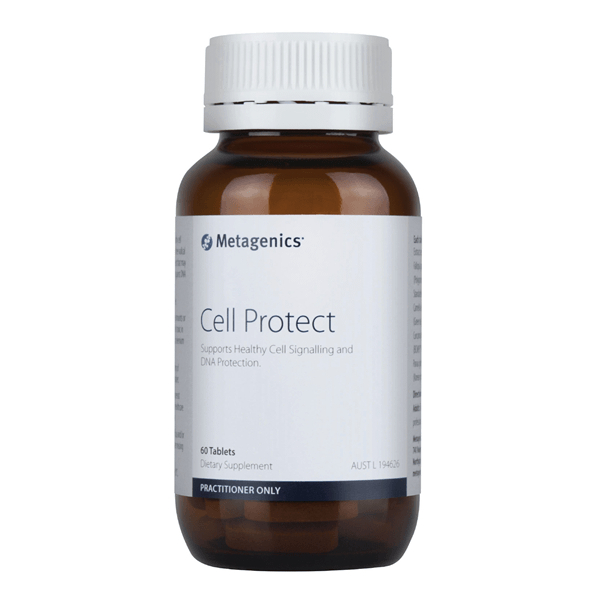
$18.47
Members Save
• Vitamin D3 directly triggers FOXP3 expression and maintains IL-2 receptor function, essential for regulatory T cell survival and immune tolerance
• Zinc deficiency impairs Treg function quality - adequate levels optimize both Treg numbers and their suppressive capacity through IL-2 pathway support
• EGCG from green tea increases Treg numbers by promoting stable FOXP3 expression through beneficial epigenetic changes