
Clinical Benefits
Clinical Benefits
Nigella sativa, commonly known as black seed, contains the bioactive compound thymoquinone, renowned for its antiviral and immune-modulating properties. Clinical studies in individuals with Hashimoto’s thyroiditis have shown that Nigella sativa can directly induce cell death in autoreactive T cells targeting thyroid tissue. This effect plays a vital role in re-establishing immune tolerance, as the unchecked survival and activation of these autoreactive T cells are key contributors to the progressive destruction of the thyroid gland.
Simultaneously, Nigella sativa is also proven to reduce pro-inflammatory cytokines, notably IL-17 and tumor necrosis factor-alpha (TNF-α), both of which are elevated in HT and contribute to chronic inflammation and autoimmune progression.[26]
These actions are contributing factors to Nigella Sativa’s astounding capacity to reduce Hashimoto's autoimmune antibodies, demonstrated in a clinical trial where Nigella sativa was tested on 40 patients with Hashimoto's, at a dose of 2g per day for 8 weeks. The results indicated a significant reduction in anti-thyroid peroxidase antibodies (TPOAb). At the start of the 8-week intervention, patients had elevated levels of anti-TPO antibodies, averaging around 294 IU/mL, but at 8 weeks of supplementation, this level dropped substantially to an average of 147 IU/mL, which is approximately a 50% reduction. [20]
Ingredients
Nigella sativa (Black seed) (seed) oil
500 mg
Instructions
Instructions
Dosage
1 capsule twice daily with water after meals
Duration
Long-term support for Hashimoto's correction, with continuation guided by normalization of antibody titres
Warnings
If fluid retention persists, seek medical advice
Not for children under two years without medical advice
Do not take during pregnancy, lactation or if likely to become pregnant
Always read the label
Dietary supplements should not replace a balanced diet
If symptoms persist, worsen or change unexpectedly, consult your healthcare professional
Contraindications
Contraindications
This supplement may interact with the following categories of medications, as well as specific active ingredients.
• Clopidogrel
• Cyclosporine
• Medications changed by the liver - refer list
• Medications for diabetes
• Medications for high blood pressure
• Medications that decrease the immune system
• Medications that increase serotonin levels in the brain
• Medications that slow blood clotting
• Phenytoin
• Sedative medications
• Sildenafil
• Warfarin
• Diuretics
• Prednisolone
Further details are provided below.
Please note that medications may be sold under different brand names, so check the listed active ingredients against your medication packaging.
Major Interactions
Moderate Interactions
Clopidogrel
Clopidogrel can slow blood clotting. Black seed might also slow blood clotting. Taking black seed along with clopidogrel might increase the chances of bruising and bleeding.
Cyclosporine
• Restasis
• Used for: organ transplant, autoimmune conditions
Black seed might decrease levels of cyclosporine in the blood. This might reduce how well cyclosporine is able to work.
Medications changed by the liver
• Glipizide
• Phenytoin
• Losartan
Some medications are changed and broken down by the liver. Black seed might change how quickly the liver breaks down these medications. If you are taking medications metabolised by the liver, monitor for any changes in how your medication affects you.
Medications for diabetes
• Glyburide
• Glipizide
• Insulin
• Sitagliptin
• Empagliflozin
• Semaglutide
• Dapagliflozin
Black seed might lower blood sugar levels. Taking black seed along with diabetes medications might cause blood sugar to drop too low. Monitor your blood sugar closely.
Medications for high blood pressure
• Amlodipine
• Ramipril
• Perindopril
• Metoprolol
• Losartan
• Hydrochlorothiazide
Black seed might lower blood pressure. Taking black seed along with medications that lower blood pressure might cause blood pressure to go too low. Monitor your blood pressure closely.
Medications that decrease the immune system
• Cyclosporine
• Tacrolimus
• Mycophenolate
• Prednisone
• Methotrexate
• Azathioprine
Black seed can increase the activity of the immune system. Some medications, such as those used after a transplant, decrease the activity of the immune system. Taking black seed along with these medications might decrease the effects of these medications.
Medications that increase serotonin levels in the brain
• Serotonergic Drugs
Black seed might increase a brain chemical called serotonin. Some medications also have this effect. Taking black seed along with these medications might increase serotonin too much. This might cause serious side effects including heart problems, seizures, and vomiting.
Medications that slow blood clotting
• Heparin
• Rivaroxaban
• Apixaban
• Dabigatran
• Clopidogrel
Black seed might slow blood clotting. Taking black seed along with medications that also slow blood clotting might increase the risk of bruising and bleeding.
Phenytoin
Phenytoin is used to control some types of seizures. Black seed may increase or decrease levels of phenytoin in the blood. Taking black seed with phenytoin might reduce the effects or increase the risk of having side effects to phenytoin.
Sedative medications
• Diazepam
• Alprazolam
• Temazepam
• Zolpidem
• Zopiclone
• Promethazine
Black seed might cause sleepiness and slowed breathing. Some medications, called sedatives, can also cause sleepiness and slowed breathing. Taking black seed with sedative medications might cause breathing problems and/or too much sleepiness.
Sildenafil
Black seed might reduce levels of sildenafil in the body. Taking black seed with sildenafil might reduce the effects of sildenafil.
• Jantoven
• Used for: blood thinning, clot prevention
Warfarin is used to slow blood clotting. Black seed might increase the effects of warfarin, which could increase the risk of bleeding.
Diuretics
• Diuretic drugs
Black seed can decrease potassium levels. "Diuretics" can also decrease potassium levels. Taking black seed along with "Diuretics" might make potassium levels drop too low.
Minor Interactions
Prednisolone
Black seed might decrease levels of prednisolone in the blood. This might reduce the effects of prednisolone.
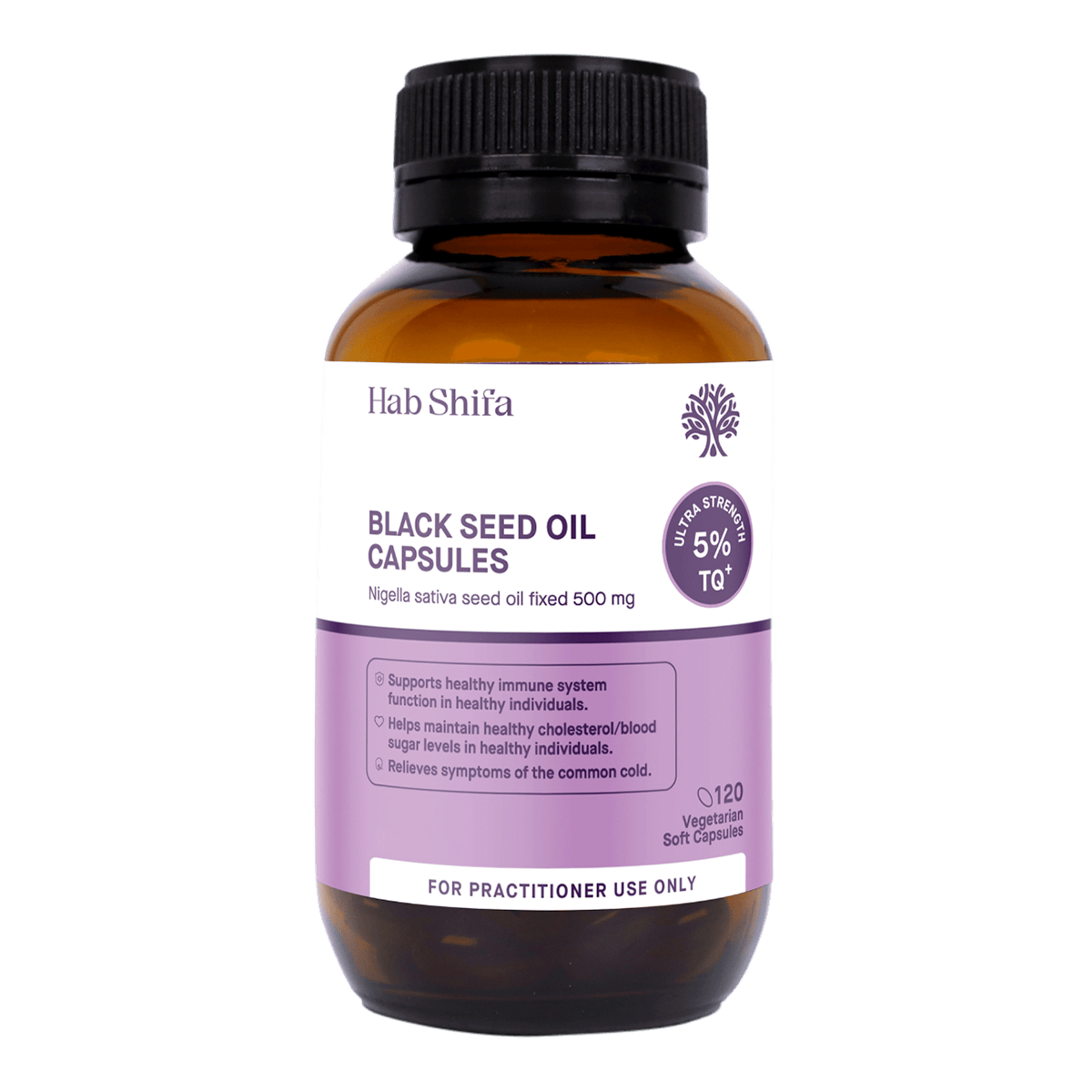
$15.98
Members Save
• Directly induces cell death in autoreactive T cells targeting thyroid tissue
• Reduce pro-inflammatory cytokines, notably IL-17 and TNF-α, both of which are elevated in HT
• 8 week dosing has clinically demonstrated a reduction in thyroid antibodies by 50%