
Clinical Benefits
Clinical Benefits
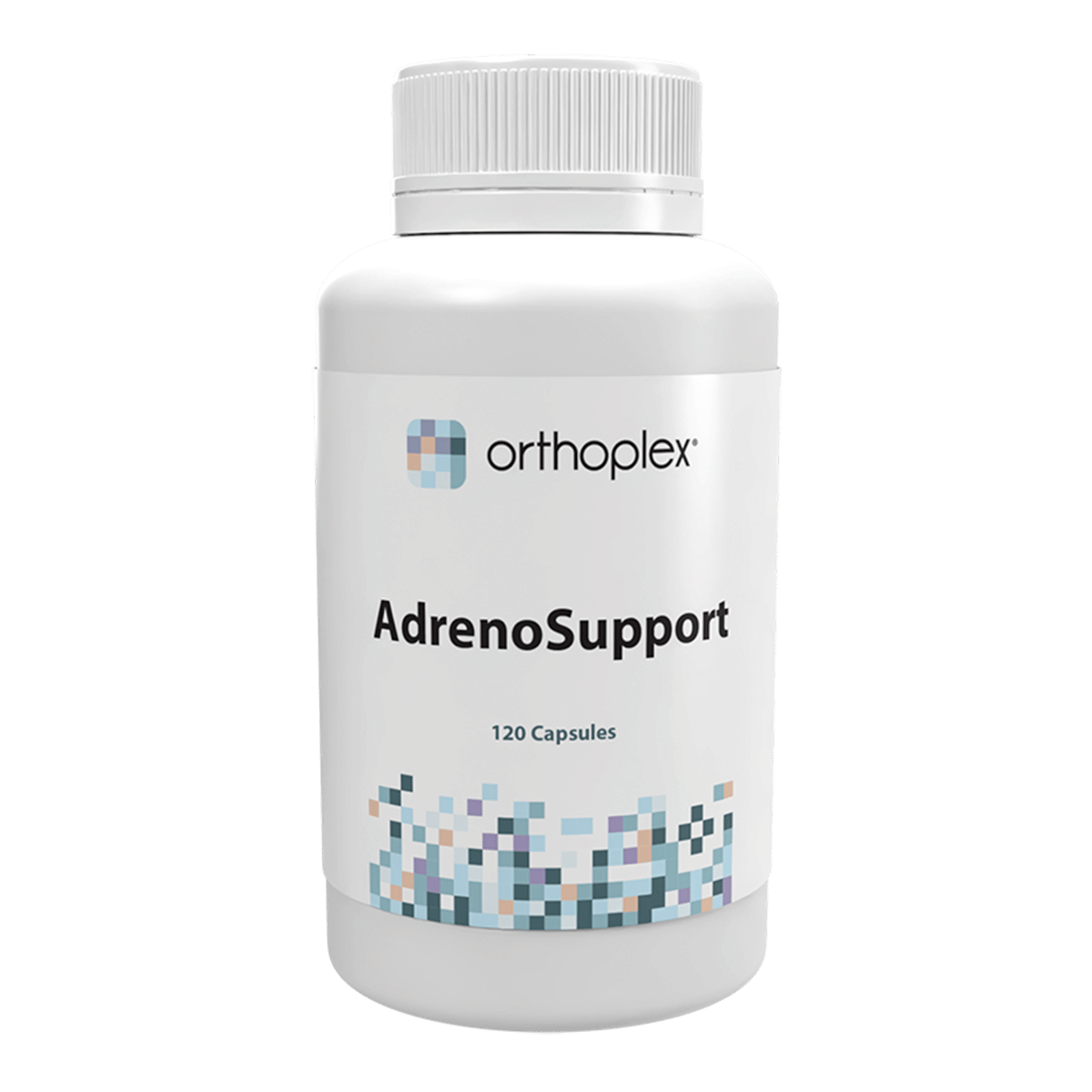
Adrenosupport is a comprehensive formula designed to address HPA Axis Hypofunction, a condition where the body's stress-response system becomes blunted or exhausted following chronic stress exposure. This targeted combination of adaptogenic herbs and essential B-vitamins works to restore healthy cortisol production, enhance adrenal responsiveness, and support the intricate feedback mechanisms that regulate the hypothalamic-pituitary-adrenal axis.
Rehmannia glutinosa serves as a foundational adrenal restorative, primarily supporting the structure and function of the adrenal glands while enhancing glucocorticoid receptor activity and modulating hypothalamic and pituitary signaling during periods of chronic stress [14]. In adrenal-insufficient models, Rehmannia has been shown to restore cortisol levels without inducing hyperactivation of the HPA axis, suggesting a regulatory mechanism that promotes recovery rather than overstimulation [14]. Its active constituents, polysaccharides and iridoid glycosides, protect adrenal cells, shield mitochondrial structures from oxidative stress, and enhance adrenal responsiveness to ACTH stimulation [14]. Clinical studies have demonstrated that Rehmannia supplementation leads to reduced anxiety, normalized adrenal weight, and improved stress adaptation, with one animal study showing a significant rise in serum cortisol and reversal of adrenal hypertrophy after 21 days of treatment [14].
Withania somnifera (Ashwagandha) and American ginseng (Panax quinquefolius) work synergistically as adaptogens to normalize HPA axis function, though their specific mechanisms aren't detailed in this document. Schisandra chinensis demonstrates dual action on the nervous and endocrine systems, making it particularly valuable for HPA axis hypofunction characterized by low cortisol output and reduced stress resilience [29]. Experimental studies indicate that Schisandra extract can upregulate ACTH expression and increase corticosterone levels, reflecting improved adrenal responsiveness [29]. This adaptogenic effect is especially beneficial when the HPA axis has been suppressed by chronic stress, overtraining, or persistent inflammation. Schisandra's active compounds, including schisandrin A, B, and C, exhibit potent antioxidant and neuroprotective properties that counteract oxidative damage often seen in adrenal hypofunction, while supporting mitochondrial efficiency and energy metabolism [29].
Glycyrrhiza glabra (Licorice) provides unique support by directly influencing cortisol metabolism through its active metabolite glycyrrhetic acid, which inhibits the enzyme 11β-hydroxysteroid dehydrogenase type 2 (11β-HSD2) [17][18]. This enzyme normally converts active cortisol into inactive cortisone, so by inhibiting it, licorice effectively increases circulating cortisol levels, thereby mimicking mild glucocorticoid activity [17][18]. This mechanism is particularly beneficial for individuals with HPA axis hypofunction who struggle with low cortisol availability.
The comprehensive B-vitamin complex addresses the critical micronutrient deficiencies that impair HPA axis function, particularly during chronic stress. Vitamin B5 (Pantothenic acid) serves as an essential precursor for Coenzyme A (CoA), a molecule critical to cortisol synthesis [4]. Without adequate B5, mitochondrial acetylation processes are impaired, resulting in reduced cortisol output, particularly under stress [4]. Animal studies have shown that B5 deficiency leads to adrenal atrophy and reduced corticosterone production, while supplementation with 500 to 1,000 mg per day during periods of high stress has been associated with improved energy, reduced fatigue, and enhanced stress resilience [4]. The activated forms of B-vitamins (including riboflavin 5-phosphate, pyridoxal 5-phosphate, calcium folinate, and mecobalamin) ensure optimal bioavailability and cellular utilization during periods of increased metabolic demand.
While not specifically covered in this HPA axis document, thiamine hydrochloride (Vitamin B1) supports energy metabolism and nervous system function, nicotinamide (Vitamin B3) aids in cellular energy production, and biotin supports metabolic processes essential for maintaining stable blood sugar and energy levels - all important for individuals recovering from adrenal exhaustion.
Ingredients
Rehmannia glutinosa ext.
ext. equiv. dry (root)
166.7 mg
3.33 g
Withania somnifera ext.
ext. equiv. dry (root)
106.7 mg
1.33 g
Panax quinquefolius (American ginseng) ext.
ext. equiv. dry (root)
100 mg
1 g
Schisandra chinensis ext.
ext. equiv. dry (fruit)
66.7 mg
667 mg
Glycyrrhiza glabra (Licorice) ext.
ext. equiv. dry (root)
83.3 mg
667 mg
Thiamine hydrochloride (Vitamin B1)
equiv. Thiamine
910 μg
716 μg
Riboflavin 5-phosphate sodium (Activated B2)
equiv. Riboflavin
1.11 mg
812 μg
Nicotinamide (Vitamin B3)
10.7 mg
Calcium pantothenate (Vitamin B5)
equiv. Pantothenic acid
3.98 mg
3.66 mg
Pyridoxal 5-phosphate (P5P)
equiv. Pyridoxine
1.13 mg
774 μg
Biotin
20 μg
Calcium folinate (Activated folate)
equiv. Folinic acid
36 μg
33 μg
Mecobalamin (Vitamin B12)
1.6 μg
Instructions
Instructions
Dosage
2 tablets in the morning
Duration
Minimum 4 weeks
Suitable for continued support in periods of high stress or physical demand
Warnings
Contraindicated with warfarin medication
Large capsule. Swallow with a glass of water
Not recommended for use during pregnancy or lactation
Always read the label
Dietary supplements should not replace a balanced diet
If symptoms persist, worsen or change unexpectedly, consult your healthcare professional
Contains vitamin B6; stop taking this medication if you experience tingling, burning or numbness and see your healthcare practitioner as soon as possible
Contraindications
Contraindications
This supplement may interact with the following categories of medications, as well as specific active ingredients.
• Allopurinol
• Gemfibrozil
• Medications for diabetes
• Medications for high blood pressure
• Medications that can harm the liver
• Medications that slow blood clotting
• Medications used for lowering cholesterol
• Nicotine patch
• Probenecid
• Sulfinpyrazone
• Warfarin
• Medications that decrease the immune system
• Sedative medications
• Medications changed by the liver - refer list
• Digoxin
• Estrogens
• Medications for inflammation
• Medications moved by pumps in cells - refer list
• Midazolam
• Paclitaxel
• Diuretics
• Methotrexate
• Cyclosporine
• Sirolimus
• Tacrolimus
• Talinolol
• Voriconazole
Further details are provided below.
Please note that medications may be sold under different brand names, so check the listed active ingredients against your medication packaging.
Major Interactions
• Jantoven
• Used for: blood thinning, clot prevention
Warfarin is used to slow blood clotting. American ginseng has been reported to decrease the effects of warfarin. This might increase the risk of clotting. It is unclear why this interaction might occur. To avoid this interaction, do not take American ginseng if you take warfarin.
Moderate Interactions
Allopurinol is used to treat gout. Taking large doses of niacin might worsen gout and decrease the effects of allopurinol.
Gemfibrozil
• Lopid
Taking niacin along with gemfibrozil might increase the risk for muscle damage in some people. Use with caution.
Medications for diabetes
• Glyburide
• Glipizide
• Insulin
• Sitagliptin
• Empagliflozin
• Semaglutide
• Dapagliflozin
High doses of niacin might increase blood sugar levels. Taking niacin along with diabetes medications might reduce the effects of these medications. Monitor your blood sugar closely.
Medications for high blood pressure
• Amlodipine
• Ramipril
• Perindopril
• Metoprolol
• Losartan
• Hydrochlorothiazide
Niacin might lower blood pressure. Taking niacin along with medications that lower blood pressure might cause blood pressure to go too low. Monitor your blood pressure closely.
Medications that can harm the liver
• Acetaminophen / Paracetamol
• Methotrexate
• Atorvastatin
• Simvastatin
• Isoniazid
Niacin might harm the liver. Some medications can also harm the liver. Taking niacin along with a medication that can harm the liver might increase the risk of liver damage.
Medications that slow blood clotting
• Heparin
• Rivaroxaban
• Apixaban
• Dabigatran
• Clopidogrel
Niacin might slow blood clotting. Taking niacin along with medications that also slow blood clotting might increase the risk of bruising and bleeding.
Medications used for lowering cholesterol
• Bile acid sequestrants
Some medications called bile acid sequestrants can decrease how much niacin the body absorbs. This might reduce the effects of niacin. Take niacin and these medications at least 4-6 hours apart.
• Atorvastatin
• Rosuvastatin
• Simvastatin
• Pravastatin
• Fluvastatin
Taking niacin along with statins might increase the risk for muscle damage in some people. Use with caution.
Nicotine patch
• Nicoderm
Niacin can sometimes cause flushing and dizziness. Nicotine patches can also cause flushing and dizziness. Taking niacin and using a nicotine patch may increase the risk of flushing and dizziness.
Probenecid
• Benemid
Probenecid is used to treat gout. Taking large doses of niacin might worsen gout and decrease the effects of probenecid.
Sulfinpyrazone
• Anturane
Sulfinpyrazone is used to treat gout. Taking large doses of niacin might worsen gout and decrease the effects of sulfinpyrazone.
Thyroid hormone
The body naturally produces thyroid hormones. Niacin might decrease thyroid hormone levels. Taking niacin with thyroid hormone pills might decrease the effects of thyroid hormone.
• Jantoven
• Used for: blood thinning, clot prevention
Niacin might increase the blood thinning effects of warfarin and potentially increase the chance of bleeding. Your healthcare provider may need to monitor you more often if you take niacin along with warfarin. The dose of your warfarin medication may need to be changed.
American ginseng might lower blood sugar levels. Taking American ginseng along with diabetes medications might cause blood sugar to drop too low. Monitor your blood sugar closely.
Medications that decrease the immune system
• Cyclosporine
• Tacrolimus
• Mycophenolate
• Prednisone
• Methotrexate
• Azathioprine
American ginseng can increase the activity of the immune system. Some medications, such as those used after a transplant, decrease the activity of the immune system. Taking American ginseng along with these medications might decrease the effects of these medications.
Ashwagandha might lower blood sugar levels. Taking ashwagandha along with diabetes medications might cause blood sugar to drop too low. Monitor your blood sugar closely.
Ashwagandha might lower blood pressure. Taking ashwagandha along with medications that lower blood pressure might cause blood pressure to go too low. Monitor your blood pressure closely.
Ashwagandha might harm the liver. Some medications can also harm the liver. Taking ashwagandha along with a medication that can harm the liver might increase the risk of liver damage.
Ashwagandha can increase the activity of the immune system. Some medications, such as those used after a transplant, decrease the activity of the immune system. Taking ashwagandha along with these medications might decrease the effects of these medications.
Sedative medications
• Diazepam
• Alprazolam
• Temazepam
• Zolpidem
• Zopiclone
• Promethazine
Ashwagandha might cause sleepiness and slowed breathing. Some medications, called sedatives, can also cause sleepiness and slowed breathing. Taking ashwagandha with sedative medications might cause breathing problems and/or too much sleepiness.
The body naturally produces thyroid hormones. Ashwagandha might increase how much thyroid hormone the body produces. Taking ashwagandha with thyroid hormone pills might cause too much thyroid hormone in the body, and increase the effects and side effects of thyroid hormone.
• Used for: heart failure, atrial fibrillation
Large amounts of licorice can decrease potassium levels in the body. Low potassium levels can increase the side effects of digoxin.
Estrogens
• Oral contraceptive pill
• Estradiol
• Conjugated estrogens
• HRT combination products
Licorice seems to change hormone levels in the body. Taking licorice along with estrogen might decrease the effects of estrogen.
Medications changed by the liver
• Cytochrome P450 2B6 substrates
Some medications are changed and broken down by the liver. Licorice might change how quickly the liver breaks down these medications. If you are taking medications metabolised by the liver, monitor for any changes in how your medication affects you.
Medications changed by the liver
• Omeprazole
• Esomeprazole
• Clopidogrel
• Diazepam
• Escitalopram
• Sertraline
Medications changed by the liver
• Cytochrome P450 2C8 substrates
• Glipizide
• Phenytoin
• Losartan
• Atorvastatin
• Simvastatin
• Amlodipine
• Diltiazem
• Cyclosporine
• Tacrolimus
• Midazolam
• Alprazolam
• Rivaroxaban
• Some HIV antiretrovirals
Licorice might increase blood pressure. Taking licorice might reduce the effects of blood pressure medications. Monitor your blood pressure closely.
Medications for inflammation
• Corticosteroids
Licorice can decrease how quickly the body breaks down corticosteroids. This can increase the effects and side effects of corticosteroids.
Medications moved by pumps in cells
• P-glycoprotein substrates
Some medications are moved in and out of cells by pumps. Licorice might change how these pumps work and change how much medication stays in the body. In some cases, this might change the effects and side effects of a medication.
Midazolam
• Versed
Licorice might increase how quickly midazolam is broken down by the body. This might decrease the effects of midazolam.
Paclitaxel
• Abraxane
• Onxol
• Taxol
• Used for: various cancers
Licorice might increase how quickly the body breaks down paclitaxel. Taking licorice with paclitaxel might decrease the effects of paclitaxel.
Warfarin is used to slow blood clotting. Licorice might decrease the effects of warfarin. Decreasing the effects of warfarin might increase the risk of clotting. Be sure to have your blood checked regularly. The dose of your warfarin might need to be changed.
Diuretics
• Diuretic drugs
Licorice can decrease potassium levels. "Diuretics" can also decrease potassium levels. Taking licorice along with "Diuretics" might make potassium levels drop too low.
Diuretics
• Loop diuretics
Licorice can decrease potassium levels. Loop diuretics can also decrease potassium levels. Taking licorice and loop diuretics together might make potassium levels drop too low.
Rehmannia might lower blood pressure. Taking rehmannia along with medications that lower blood pressure might cause blood pressure to go too low. Monitor your blood pressure closely.
Cyclosporine
• Restasis
• Used for: organ transplant, autoimmune conditions
Schisandra might decrease how quickly the body breaks down cyclosporine. Taking schisandra with cyclosporine might increase the effects and side effects of cyclosporine.
Some medications are changed and broken down by the liver. Schisandra might change how quickly the liver breaks down these medications. If you are taking medications metabolised by the liver, monitor for any changes in how your medication affects you.
Medications moved by pumps in cells
• P-glycoprotein substrates
Some medications are moved in and out of cells by pumps. Schisandra might change how these pumps work and change how much medication stays in the body. In some cases, this might change the effects and side effects of a medication.
Midazolam
Schisandra might decrease how quickly the body breaks down midazolam. Taking schisandra along with midazolam might increase the effects and side effects of midazolam.
Sirolimus
• Rapamune
Schisandra might decrease how quickly the body breaks down sirolimus. Taking schisandra along with sirolimus might increase the effects and side effects of sirolimus. Talk with your healthcare provider if you are taking sirolimus.
Tacrolimus
• Astagraf
• Used for: organ transplant anti-rejection
Schisandra might decrease how quickly the body breaks down tacrolimus. Taking schisandra with tacrolimus might increase the amount of tacrolimus in your body and the effects and side effects of tacrolimus. Talk with your healthcare provider before using this combination.
Talinolol
• Cordanum
• Used for: angina, heart conditions
Schisandra might increase the amount of talinolol in the body. Taking schisandra while taking talinolol might increase the effects and side effects of talinolol.
Voriconazole
• Vfend
Schisandra might decrease how quickly the body breaks down voriconazole. Taking schisandra with voriconazole might increase the effects and side effects of voriconazole.
Warfarin is used to slow blood clotting. Schisandra might increase the breakdown and decrease the effects of warfarin. Decreasing the effects of warfarin might increase the risk of clotting. Be sure to have your blood checked regularly. The dose of your warfarin might need to be changed.
Minor Interactions
Medications changed by the liver
• Atorvastatin
• Simvastatin
• Amlodipine
• Diltiazem
• Cyclosporine
• Tacrolimus
• Midazolam
• Alprazolam
• Rivaroxaban
• Some HIV antiretrovirals
Some medications are changed and broken down by the liver. Ashwagandha might change how quickly the liver breaks down these medications. If you are taking medications metabolised by the liver, monitor for any changes in how your medication affects you.
• Caffeine
• Clozapine
• Olanzapine
• Theophylline
• Tizanidine
• Duloxetine
• Ramelteon
Some medications are changed and broken down by the liver. Licorice might change how quickly the liver breaks down these medications. If you are taking medications metabolised by the liver, monitor for any changes in how your medication affects you.
Methotrexate
• Trexall
• Otrexup
• Rasuvo
• Used for: rheumatoid arthritis, psoriasis, certain cancers
Licorice might decrease how quickly the body breaks down methotrexate. This might increase the effects and side effects of methotrexate.
$10.53
Members Save
• Rehmannia glutinosa restores cortisol levels and reverses adrenal hypertrophy without overstimulating the HPA axis
• Schisandra chinensis upregulates ACTH expression and increases corticosterone levels while protecting adrenal tissue from oxidative damage
• Licorice root increases circulating cortisol by inhibiting the enzyme that converts active cortisol to inactive cortisone