
Clinical Benefits
Clinical Benefits
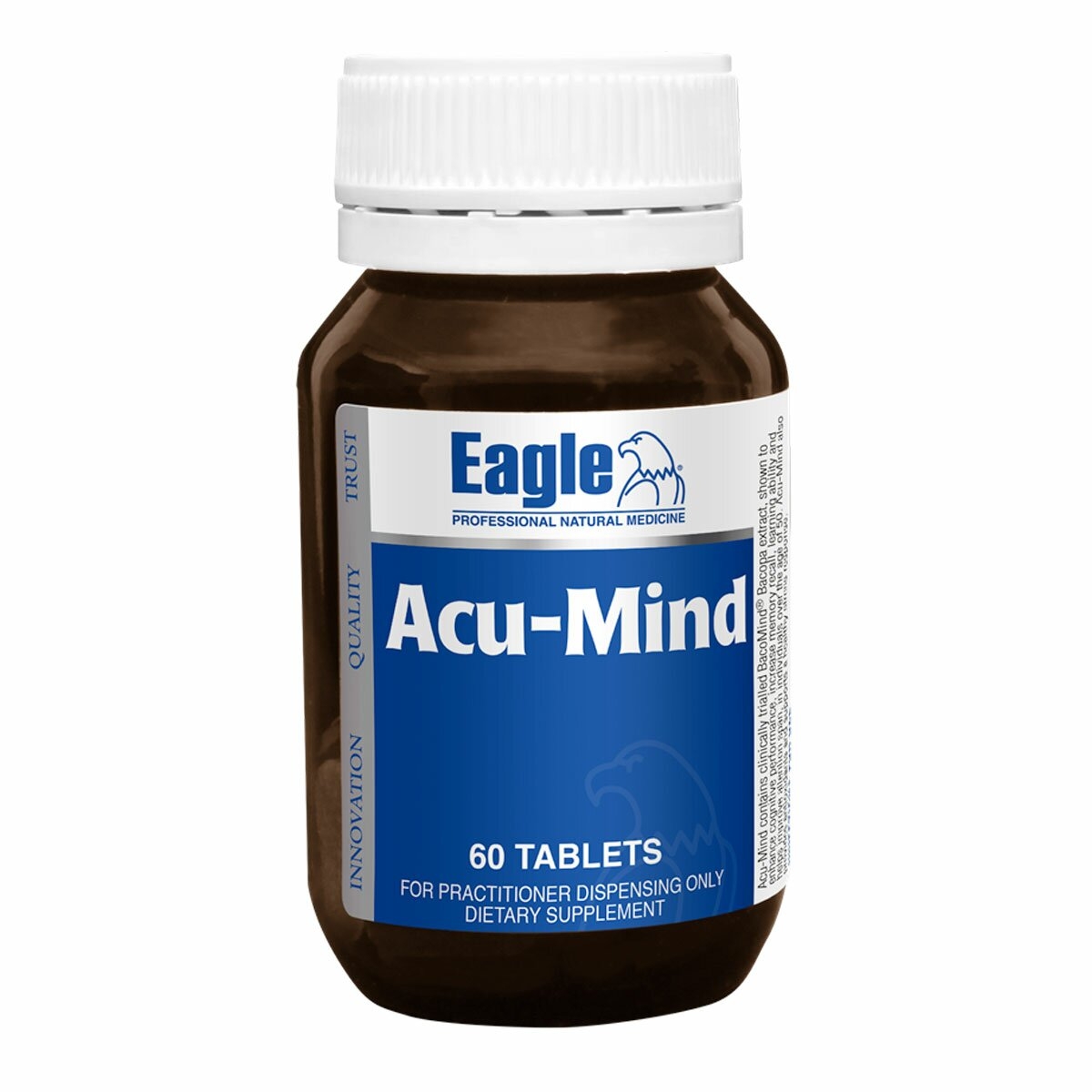
AcuMind represents a scientifically-formulated approach to supporting optimal dopamine function, addressing the complex neurochemical imbalances that characterize dopamine deficiency. This comprehensive blend targets both dopamine synthesis and transport mechanisms, recognizing that effective dopaminergic support requires not just increased production, but also proper distribution throughout the brain's reward and cognitive centers.
BacoMind® Bacopa monnieri serves as the cornerstone ingredient, backed by over 1400 years of traditional use and robust modern research. Clinical studies demonstrate that Bacopa monnieri performs multiple dopaminergic functions: it prevents depletion of dopamine under acute stress, restores and elevates dopamine levels under chronic stress conditions, and provides remarkable 2.7-fold protection against dopaminergic neuron damage [52]. Particularly relevant for attention and focus concerns, one clinical trial showed that 225 mg of Bacopa monnieri extract taken daily for 6 months significantly reduced restlessness, poor self-control, inattention, and impulsivity in 85% of participants [54][55]. The herb's unique ability to rebalance rather than uniformly increase dopamine makes it especially valuable, as it reduces dopamine-driven over-excitability while supporting stable cognitive function [53].
Rhodiola rosea contributes essential adaptogenic support to the dopaminergic system through multiple pathways. Research shows that Rhodiola rosea stimulates dopamine receptors in the central nervous system, increases blood-brain barrier permeability to potentially enhance dopamine biosynthesis in the brain, and acts as a monoamine oxidase inhibitor, reducing dopamine breakdown and increasing its synaptic availability [61]. This triple-action approach makes Rhodiola particularly effective for addressing the fatigue, low motivation, and cognitive fog that characterize dopamine deficiency states.
Ginkgo biloba provides crucial vascular and neuroprotective support that enhances dopamine function indirectly. While the document doesn't specifically detail Ginkgo's dopaminergic mechanisms, its well-established ability to improve cerebral blood flow and protect neurons from oxidative damage creates an optimal environment for dopamine synthesis and signaling. The standardized extract ensures consistent delivery of active flavonglycosides that support overall brain health and cognitive performance.
Vitamin D3 (Cholecalciferol) complements the herbal components by addressing foundational nutritional support for neurotransmitter synthesis. While not extensively detailed in the dopamine document, vitamin D3 is recognized for its neuroprotective properties and role in supporting overall brain health, making it a valuable addition to this comprehensive dopaminergic support formula.
Ingredients
BacoMind® Bacopa monnieri ext.
ext. equiv. dry (whole plant)
225 mg
4.5 g
Cholecalciferol (Vitamin D3)
equiv. Vitamin D3
5 μg
200 IU
Rhodiola rosea (root)
ext. equiv. dry
equiv. ext.
equiv. Rosavins
680 mg
170 mg
6.8 mg
1.7 mg
equiv. Salidrosides
Ginkgo biloba ext.
equiv. Flavonglycosides
ext. equiv. dry (leaf)
60 mg
14.7 mg
3 g
Instructions
Instructions
Dosage
2 tablets daily
Duration
Suitable for long-term support of dopamine deficiency, with dosing adjusted according to symptoms
Warnings
Always read the label
Dietary supplements should not replace a balanced diet
If symptoms persist, worsen or change unexpectedly, consult your healthcare professional
Contraindications
Contraindications
This supplement may interact with the following categories of medications, as well as specific active ingredients.
• Atorvastatin
• Calcipotriene
• Digoxin
• Diltiazem
• Verapamil
• Diuretics
• Medications changed by the liver - refer list
• Talinolol
• Efavirenz
• Ibuprofen
• Medications for diabetes
• Medications moved by pumps in cells - refer list - refer list
• Medications that increase the chance of having a seizure
• Medications that slow blood clotting
• Medications used to prevent seizures
• Risperidone
• Rosiglitazone
• Simvastatin
• Sofosbuvir
• Tacrolimus
• Trazodone
• Warfarin
• Nifedipine
• Omeprazole
• Medications for high blood pressure
• Medications moved by pumps in cells - refer list
• Medications that decrease the immune system
• Medications for depression
• Sedative medications
Further details are provided below.
Please note that medications may be sold under different brand names, so check the listed active ingredients against your medication packaging.
Major Interactions
Talinolol
• Cordanum
• Used for: angina, heart conditions
Taking ginkgo leaf extract multiple times per day might increase levels of talinolol. This might increase the effects and side effects of talinolol. But taking a single dose of ginkgo does not seem to affect talinolol levels.
Moderate Interactions
Atorvastatin
Vitamin D might decrease how much atorvastatin the body absorbs. Taking vitamin D with atorvastatin might decrease the effects of atorvastatin.
Calcipotriene
• Dovonex
Taking vitamin D along with calcipotriene might increase the effects and side effects of calcipotriene.
• Used for: heart failure, atrial fibrillation
Taking vitamin D along with digoxin might increase the effects and side effects of digoxin. If you are taking digoxin, talk to your doctor before taking vitamin D supplements.
Diltiazem
• Cardizem, others
Vitamin D helps your body absorb calcium. Calcium can affect the heart. Diltiazem can also affect the heart. Taking large amounts of vitamin D along with diltiazem might decrease the effects of diltiazem.
Verapamil
• Calan, others
Vitamin D helps the body absorb calcium. Calcium can affect the heart. Verapamil can also affect the heart. Do not take large amounts of vitamin D if you are taking verapamil.
Diuretics
• Thiazide diuretics
Vitamin D helps the body absorb calcium. Some "Diuretics" increase the amount of calcium in the body. Taking large amounts of vitamin D along with some "Diuretics" might cause too much calcium in the body. This could cause serious side effects, including kidney problems.
Ginkgo might increase how quickly the body gets rid of atorvastatin. It's not clear if this is a big concern. Ginkgo does not seem to reduce the effects of atorvastatin on cholesterol levels.
Efavirenz
• Sustiva
Efavirenz is used to treat HIV infection. Taking ginkgo extract along with efavirenz might decrease the effects of efavirenz. Before taking ginkgo, talk to your healthcare provider if you take efavirenz.
• Advil, others
Ginkgo might slow blood clotting. Ibuprofen can also slow blood clotting. Taking ginkgo with ibuprofen might slow blood clotting too much and increase the chance of bruising and bleeding. Before taking ginkgo, talk to your healthcare provider if you are taking ibuprofen.
Medications changed by the liver
• Caffeine
• Clozapine
• Olanzapine
• Theophylline
• Tizanidine
• Duloxetine
• Ramelteon
Some medications are changed and broken down by the liver. Ginkgo might change how quickly the liver breaks down these medications. If you are taking medications metabolised by the liver, monitor for any changes in how your medication affects you.
• Omeprazole
• Esomeprazole
• Clopidogrel
• Diazepam
• Escitalopram
• Sertraline
• Glipizide
• Phenytoin
• Losartan
• Atorvastatin
• Simvastatin
• Amlodipine
• Diltiazem
• Cyclosporine
• Tacrolimus
• Midazolam
• Alprazolam
• Rivaroxaban
• Some HIV antiretrovirals
Medications for diabetes
• Glyburide
• Glipizide
• Insulin
• Sitagliptin
• Empagliflozin
• Semaglutide
• Dapagliflozin
Ginkgo might increase blood sugar levels. Taking ginkgo along with diabetes medications might reduce the effects of these medications. Monitor your blood sugar closely.
Medications moved by pumps in cells
• Dabigatran
• Cyclosporine
• Fexofenadine
• Loperamide
• Some HIV antiretrovirals
Some medications are moved in and out of cells by pumps. Ginkgo might change how these pumps work and change how much medication stays in the body. In some cases, this might change the effects and side effects of a medication.
Medications that increase the chance of having a seizure
• Seizure threshold lowering drugs
Ginkgo might increase the risk of seizures in some people. There are also some medications that can increase the risk of seizures. Taking these products together might increase the risk of a seizure even more.
Medications that slow blood clotting
• Heparin
• Rivaroxaban
• Apixaban
• Dabigatran
• Clopidogrel
Ginkgo might slow blood clotting. Taking ginkgo along with medications that also slow blood clotting might increase the risk of bruising and bleeding.
Medications used to prevent seizures
• Phenytoin
• Carbamazepine
• Lamotrigine
• Levetiracetam
• Topiramate
Ginkgo may increase the risk of seizures. Therefore, taking ginkgo may decrease the effects of medications used to prevent seizures. This might increase the risk of seizures.
Risperidone
Ginkgo might decrease how quickly the liver breaks down risperidone. This might increase the risk of side effects from risperidone such as drowsiness, dizziness, or dry mouth.
Rosiglitazone
• Avandia
Ginkgo might increase how quickly the body breaks down rosiglitazone. Taking ginkgo with rosiglitazone might decrease the effects of rosiglitazone.
Simvastatin
Ginkgo might increase how quickly the body gets rid of simvastatin. It's not clear if this is a big concern. Ginkgo does not seem to reduce the effects of simvastatin on cholesterol levels.
Sofosbuvir
• Sovaldi
Ginkgo might decrease how quickly the body gets rid of sofosbuvir. This might increase the risk of side effects from sofosbuvir.
Tacrolimus
• Astagraf
• Used for: organ transplant anti-rejection
Ginkgo might decrease how quickly the body gets rid of tacrolimus. This might increase the effects and side effects of tacrolimus.
Trazodone
• Desyrel
Ginkgo might increase the effects of trazodone. Taking trazodone along with ginkgo might cause serious side effects in the brain.
• Jantoven
• Used for: blood thinning, clot prevention
Warfarin is used to slow blood clotting. Ginkgo might also slow blood clotting. Taking ginkgo along with warfarin might increase the chances of bruising and serious bleeding. Be sure to have your blood checked regularly. The dose of your warfarin might need to be changed.
Some medications are changed and broken down by the liver. Rhodiola might change how quickly the liver breaks down these medications. If you are taking medications metabolised by the liver, monitor for any changes in how your medication affects you.
Rhodiola might lower blood sugar levels. Taking rhodiola along with diabetes medications might cause blood sugar to drop too low. Monitor your blood sugar closely.
Medications for high blood pressure
• Amlodipine
• Ramipril
• Perindopril
• Metoprolol
• Losartan
• Hydrochlorothiazide
Rhodiola might lower blood pressure. Taking rhodiola along with medications that lower blood pressure might cause blood pressure to go too low. Monitor your blood pressure closely.
Medications moved by pumps in cells
• P-glycoprotein substrates
Some medications are moved in and out of cells by pumps. Rhodiola might change how these pumps work and change how much medication stays in the body. In some cases, this might change the effects and side effects of a medication.
Medications that decrease the immune system
• Cyclosporine
• Tacrolimus
• Mycophenolate
• Prednisone
• Methotrexate
• Azathioprine
Rhodiola can increase the activity of the immune system. Some medications, such as those used after a transplant, decrease the activity of the immune system. Taking rhodiola along with these medications might decrease the effects of these medications.
Minor Interactions
Medications changed by the liver
• Atorvastatin
• Simvastatin
• Amlodipine
• Diltiazem
• Cyclosporine
• Tacrolimus
• Midazolam
• Alprazolam
• Rivaroxaban
• Some HIV antiretrovirals
Some medications are changed and broken down by the liver. Vitamin D might change how quickly the liver breaks down these medications. If you are taking medications metabolised by the liver, monitor for any changes in how your medication affects you.
Nifedipine
• Procardia
Taking both ginkgo and nifedipine by mouth might increase nifedipine levels in the body. This might cause increased side effects of nifedipine, including headaches, dizziness, and hot flushes.
Omeprazole
• Prilosec
Ginkgo might increase how fast the liver breaks down omeprazole. Taking ginkgo with omeprazole might decrease how well omeprazole works.
• Caffeine
• Clozapine
• Olanzapine
• Theophylline
• Tizanidine
• Duloxetine
• Ramelteon
Some medications are changed and broken down by the liver. Rhodiola might change how quickly the liver breaks down these medications. If you are taking medications metabolised by the liver, monitor for any changes in how your medication affects you.
Medications for depression
• Antidepressant drugs
Rhodiola might increase the risk of side effects from antidepressant drugs.
Sedative medications
• Diazepam
• Alprazolam
• Temazepam
• Zolpidem
• Zopiclone
• Promethazine
Rhodiola might cause sleepiness and slowed breathing. Some medications, called sedatives, can also cause sleepiness and slowed breathing. Taking rhodiola with sedative medications might cause breathing problems and/or too much sleepiness.
$14.38
Members Save
• Bacopa monnieri provides 2.7-fold protection against dopaminergic neuron damage and restores dopamine levels under chronic stress
• Clinical studies show 85% of participants experienced reduced ADHD symptoms including inattention and impulsivity with Bacopa supplementation
• Rhodiola rosea acts as a natural monoamine oxidase inhibitor, reducing dopamine breakdown and increasing synaptic availability