
Clinical Benefits
Clinical Benefits
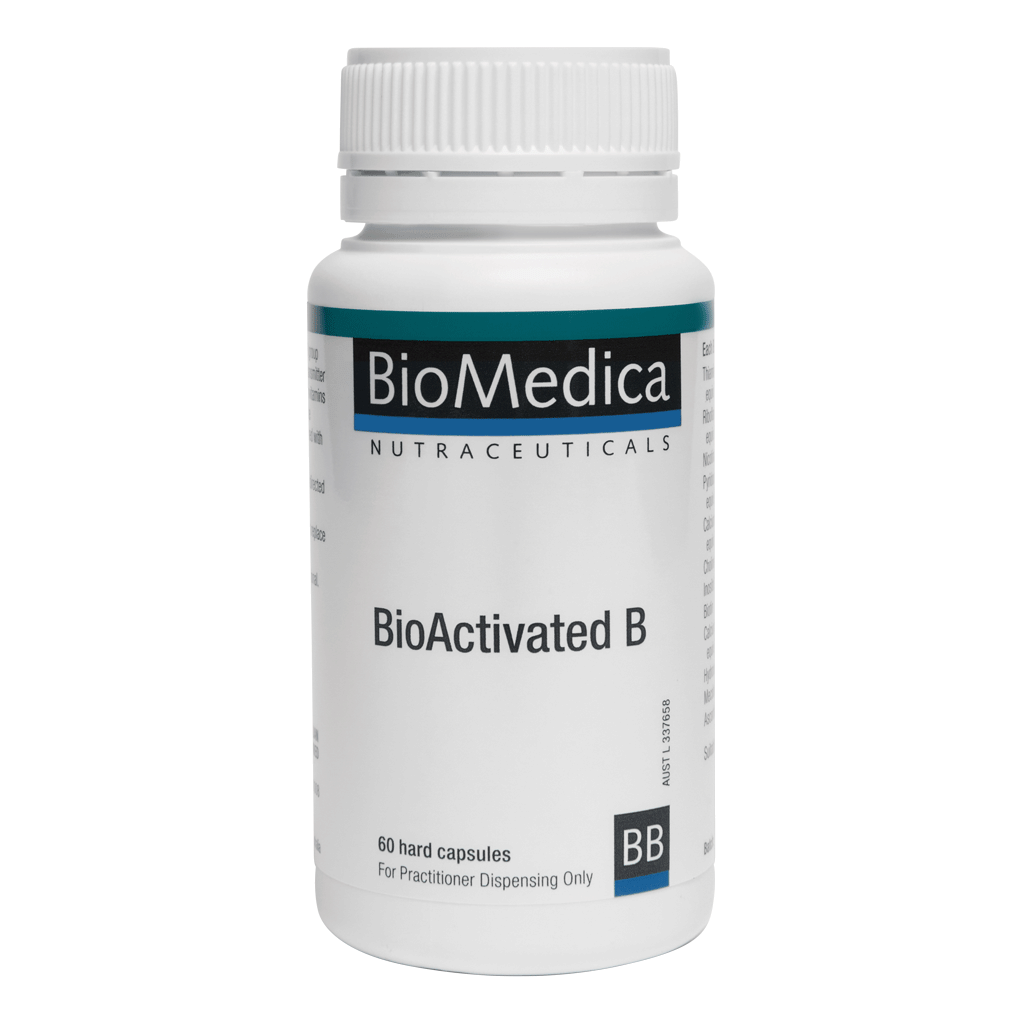
Activated B supports optimal liver detoxification pathways that are essential for converting harmful substances into water-soluble compounds for safe elimination. The liver's detoxification system operates through two highly coordinated phases, with Phase I chemically modifying toxins and Phase II neutralizing them through conjugation reactions. When these pathways become compromised due to nutritional deficiencies or toxic overload, individuals may experience symptoms ranging from digestive complaints and fatigue to mood alterations and hormonal imbalances.
The B vitamins in this formulation serve as critical cofactors for liver detoxification enzymes. Riboflavin 5-phosphate (activated B2), nicotinamide (B3), and pyridoxal 5-phosphate (P5P, the active form of B6) are required throughout both Phase I and Phase II detoxification processes, enabling the conversion of toxins into water-soluble forms for safe elimination. They also facilitate methylation and amino acid metabolism, which are essential for hormone breakdown and cellular regeneration [1]. These activated forms bypass the need for conversion in the liver, providing immediate enzymatic support when hepatic function is compromised.
Folate and vitamin B12 play particularly important roles in liver methylation pathways. Calcium folinate (activated folate) provides folinic acid, while hydroxocobalamin and mecobalamin supply bioactive forms of B12 that support vital methylation reactions for DNA repair, hormone metabolism, and detoxification enzyme activity [1]. When liver function is impaired, the body's ability to perform conjugation reactions decreases, leading to elevated hormones like estrogen. The liver clears estrogen primarily through conjugation pathways using specialized enzymes, and when these systems become insufficient, unconjugated estrogens can build up in the bloodstream [11][12].
Choline and inositol work synergistically to support liver cell membrane integrity and fat metabolism. These nutrients help prevent fatty deposits in liver cells and maintain optimal bile production, which is essential for toxin elimination through Phase III transportation processes [1]. Proper bile flow ensures that conjugated toxins are effectively transported from the liver into the intestinal tract for elimination, preventing their reabsorption back into systemic circulation.
Vitamin C acts as a major antioxidant, protecting liver cells from oxidative stress generated during detoxification reactions while also regenerating glutathione, the body's most powerful antioxidant [1]. During Phase I detoxification, reactive oxygen species (ROS) are produced that can damage liver cells if antioxidant defenses are insufficient. The inclusion of vitamin C helps neutralize these harmful intermediates and supports the liver's ability to process toxins without cellular damage.
Thiamine (B1), pantothenic acid (B5), and biotin provide additional enzymatic support for energy production and metabolic processes within liver cells. These nutrients help maintain the liver's capacity to synthesize proteins, process fats, and maintain stable blood sugar levels - functions that become compromised in hepatic insufficiency and contribute to symptoms like fatigue and glucose intolerance [1].
Ingredients
Thiamine hydrochloride (Vitamin B1)
equiv. Thiamine
113 mg
89 mg
Riboflavin 5-phosphate sodium (Activated B2)
equiv. Riboflavin
30 mg
22.8 mg
Nicotinamide (Vitamin B3)
100 mg
Pyridoxal 5-phosphate (P5P)
equiv. Pyridoxine
27 mg
17.11 mg
Calcium pantothenate (Vitamin B5)
equiv. Pantothenic acid
50 mg
45.8 mg
Choline bitartrate
75 mg
Inositol
75 mg
Biotin
500 μg
Calcium folinate (Activated folate)
equiv. Folinic acid
540 μg
500 μg
Hydroxocobalamin (Vitamin B12)
100 μg
Mecobalamin (Vitamin B12)
400 μg
Ascorbic acid (Vitamin C)
100 mg
Instructions
Instructions
Dosage
1 capsule daily
Duration
8 weeks
High potency b vitamins are not recommended long-term
Warnings
Always read the label
Dietary supplements should not replace a balanced diet
If symptoms persist, worsen or change unexpectedly, consult your healthcare professional
Contains vitamin B6; stop taking this medication if you experience tingling, burning or numbness and see your healthcare practitioner as soon as possible
Contraindications
Contraindications
This supplement may interact with the following categories of medications, as well as specific active ingredients.
• Allopurinol
• Gemfibrozil
• Medications for diabetes
• Medications for high blood pressure
• Medications that can harm the liver
• Medications that slow blood clotting
• Medications used for lowering cholesterol
• Nicotine patch
• Probenecid
• Sulfinpyrazone
• Warfarin
• Estrogens
• Fluphenazine
• Indinavir
• Levothyroxine
• Medications for cancer
• Choline Magnesium Trisalicylate
• Salsalate
• Aspirin
Further details are provided below.
Please note that medications may be sold under different brand names, so check the listed active ingredients against your medication packaging.
Major Interactions
Moderate Interactions
Allopurinol is used to treat gout. Taking large doses of niacin might worsen gout and decrease the effects of allopurinol.
Gemfibrozil
• Lopid
Taking niacin along with gemfibrozil might increase the risk for muscle damage in some people. Use with caution.
Medications for diabetes
• Glyburide
• Glipizide
• Insulin
• Sitagliptin
• Empagliflozin
• Semaglutide
• Dapagliflozin
High doses of niacin might increase blood sugar levels. Taking niacin along with diabetes medications might reduce the effects of these medications. Monitor your blood sugar closely.
Medications for high blood pressure
• Amlodipine
• Ramipril
• Perindopril
• Metoprolol
• Losartan
• Hydrochlorothiazide
Niacin might lower blood pressure. Taking niacin along with medications that lower blood pressure might cause blood pressure to go too low. Monitor your blood pressure closely.
Medications that can harm the liver
• Acetaminophen / Paracetamol
• Methotrexate
• Atorvastatin
• Simvastatin
• Isoniazid
Niacin might harm the liver. Some medications can also harm the liver. Taking niacin along with a medication that can harm the liver might increase the risk of liver damage.
Medications that slow blood clotting
• Heparin
• Rivaroxaban
• Apixaban
• Dabigatran
• Clopidogrel
Niacin might slow blood clotting. Taking niacin along with medications that also slow blood clotting might increase the risk of bruising and bleeding.
Medications used for lowering cholesterol
• Bile acid sequestrants
Some medications called bile acid sequestrants can decrease how much niacin the body absorbs. This might reduce the effects of niacin. Take niacin and these medications at least 4-6 hours apart.
• Atorvastatin
• Rosuvastatin
• Simvastatin
• Pravastatin
• Fluvastatin
Taking niacin along with statins might increase the risk for muscle damage in some people. Use with caution.
Nicotine patch
• Nicoderm
Niacin can sometimes cause flushing and dizziness. Nicotine patches can also cause flushing and dizziness. Taking niacin and using a nicotine patch may increase the risk of flushing and dizziness.
Probenecid
• Benemid
Probenecid is used to treat gout. Taking large doses of niacin might worsen gout and decrease the effects of probenecid.
Sulfinpyrazone
• Anturane
Sulfinpyrazone is used to treat gout. Taking large doses of niacin might worsen gout and decrease the effects of sulfinpyrazone.
Thyroid hormone
The body naturally produces thyroid hormones. Niacin might decrease thyroid hormone levels. Taking niacin with thyroid hormone pills might decrease the effects of thyroid hormone.
• Jantoven
• Used for: blood thinning, clot prevention
Niacin might increase the blood thinning effects of warfarin and potentially increase the chance of bleeding. Your healthcare provider may need to monitor you more often if you take niacin along with warfarin. The dose of your warfarin medication may need to be changed.
Aluminum
Aluminum is found in most antacids. Vitamin C can increase how much aluminum the body absorbs. However, it is not clear if this interaction is a big concern. Take vitamin C two hours before or four hours after antacids.
Estrogens
• Oral contraceptive pill
• Estradiol
• Conjugated estrogens
• HRT combination products
Vitamin C might decrease how quickly the body gets rid of estrogens. Taking vitamin C along with estrogens might increase the effects and side effects of estrogens.
Fluphenazine
• Prolixin
Large amounts of vitamin C might decrease how much fluphenazine is in the body. Taking vitamin C along with fluphenazine might decrease the effectiveness of fluphenazine.
Indinavir
• Crixivan
Taking large amounts of vitamin C along with indinavir might decrease how much indinavir stays in the body. It's not clear if this interaction is a big concern.
Levothyroxine
• Synthroid, others
Taking vitamin C along with levothyroxine might increase how much levothyroxine the body absorbs. This can increase the amount of levothyroxine in the body and increase its effects and side effects.
Medications for cancer
• Cyclophosphamide
• Chlorambucil
• Melphalan
• Busulfan
• Temozolomide
Vitamin C is an antioxidant. There is some concern that antioxidants might decrease the effects of some medications used for cancer. If you are taking medications for cancer, check with your healthcare provider before taking vitamin C.
• Doxorubicin
• Bleomycin
• Daunorubicin
• Mitomycin
• Epirubicin
Vitamin C is an antioxidant. There is some concern that antioxidants might decrease the effects of medications used for cancer. If you are taking medications for cancer, check with your healthcare provider before taking vitamin C.
Niacin
Taking niacin with vitamin C and other antioxidants can decrease the effects of niacin on good cholesterol levels. It is unknown if vitamin C alone decreases the effects of niacin on good cholesterol levels.
Warfarin is used to slow blood clotting. Large amounts of vitamin C might decrease the effects of warfarin. Decreasing the effects of warfarin might increase the risk of clotting. Be sure to have your blood checked regularly. The dose of your warfarin might need to be changed.
Minor Interactions
Aspirin
Aspirin is removed by the body through the kidneys and in the urine. Vitamin C might decrease how the body removes aspirin and could potentially increase the amount of aspirin in the body. But it's not clear if this is a big concern.
Choline Magnesium Trisalicylate
• Trilisate
Vitamin C might decrease how quickly the body gets rid of choline magnesium trisalicylate. It is not clear if this interaction is a big concern.
Salsalate
• Disalcid
Vitamin C might decrease how quickly the body gets rid of salsalate. Taking vitamin C along with salsalate might cause too much salsalate in the body, and increase the effects and side effects of salsalate.
$19.18
Members Save
• Provides activated B vitamins that serve as essential cofactors for Phase I and Phase II liver detoxification enzymes
• Supports methylation pathways critical for hormone metabolism and DNA repair when liver function is compromised
• Contains antioxidants like vitamin C that protect liver cells from oxidative damage during detoxification processes