
Clinical Benefits
Clinical Benefits
Intestinal Hypomobility is defined as a reduction in the normal contractile activity of the gastrointestinal tract, leading to delayed transit of contents, impaired propulsion of stool, and an increased risk of constipation or related digestive dysfunctions [1]. This condition affects gut motility through complex neural and hormonal pathways, with serotonin playing a particularly crucial role in coordinating proper intestinal function.
5-Hydroxytryptophan (5-HTP) directly addresses one of the key underlying mechanisms of Intestinal Hypomobility: serotonin deficiency. On a molecular level, gut motility is a complex process involving multiple layers of neural and hormonal control from the colon up to the central nervous system. Peristalsis, the major movement of the gut, is mediated predominantly through the neurotransmitter serotonin (5-HT) [8]. When food or stool distends the gut wall, enterochromaffin cells release 5-HT, causing a local reflex mediated through enteric nerves that releases stimulating neurotransmitters such as acetylcholine, which trigger muscle contractions behind the bolus [8].
Research has demonstrated that serotonin levels are significantly lower in enteric neurons of those experiencing Intestinal Hypomobility, causing sluggish bowel motions [9][10][11]. This deficiency directly impacts the gut's ability to generate the coordinated contractions necessary for proper stool transit. Studies show that supplementation with serotonin precursors supports the neurological activities necessary for motility, helping to restore normal peristaltic function [9][10][11].
The importance of adequate serotonin for digestive health extends beyond simple muscle contraction. High-fat and high-fructose diets have been shown to significantly lower 5-HT levels while increasing pro-inflammatory cytokines and metabolites, which results in reduced intestinal peristalsis and decreased defecation volume [18]. This research underscores how serotonin deficiency can be both a cause and consequence of poor digestive health, creating negative feedback cycles that perpetuate Intestinal Hypomobility [1].
5-HTP serves as a direct precursor to serotonin synthesis, potentially helping to restore optimal neurotransmitter levels in the enteric nervous system. By supporting serotonin production, 5-HTP may help re-establish the proper neural signaling required for coordinated intestinal contractions, improved stool transit times, and more regular bowel movements. This targeted approach addresses the underlying neurochemical imbalance that contributes to slow colonic transit and the associated symptoms of incomplete evacuation, straining, and infrequent bowel movements that characterize Intestinal Hypomobility.
Ingredients
5-Hydroxytryptophan (5-HTP)
100 mg
Instructions
Instructions
Dosage
Use scoop provided. I level scoop in water
Duration
Until product completion. Optional use in future.
Warnings
Stop taking this product if you experience any symptoms of dizziness, agitation, tremor, tachycardia or diarrhoea and consult your health practitioner
Due to the risk of reaching excessively elevated serotonin levels, 5HTP is contraindicated in those taking SSRI (or any other serotonin modifying) medications
5HTP has not been extensively tested for its effects during pregnancy
Always read the label
Dietary supplements should not replace a balanced diet
If symptoms persist, worsen or change unexpectedly, consult your healthcare professional
Contains 5-Hydroxytryptophan; caution in concurrent use with SSRIs, MAO inhibitors and CNS sedatives - additive effects may occur.
Contraindications
Contraindications
This supplement may interact with the following categories of medications, as well as specific active ingredients.
• Sedative medications
• Serotonergic drugs
Further details are provided below.
Please note that medications may be sold under different brand names, so check the listed active ingredients against your medication packaging.
Major Interactions
Moderate Interactions
Sedative medications
• Diazepam
• Alprazolam
• Temazepam
• Zolpidem
• Zopiclone
• Promethazine
5-HTP might cause sleepiness and slowed breathing. Some medications, called sedatives, can also cause sleepiness and slowed breathing. Taking 5-HTP with sedative medications might cause breathing problems and/or too much sleepiness.
Serotonergic drugs
• Fluoxetine
• Sertraline
• Escitalopram
• Venlafaxine
• Duloxetine
• Tramadol
• MAOIs
5-HTP might increase a brain chemical called serotonin. Some medications also have this effect. Taking 5-HTP along with these medications might increase serotonin too much. This might cause serious side effects including heart problems, seizures, and vomiting.
Minor Interactions
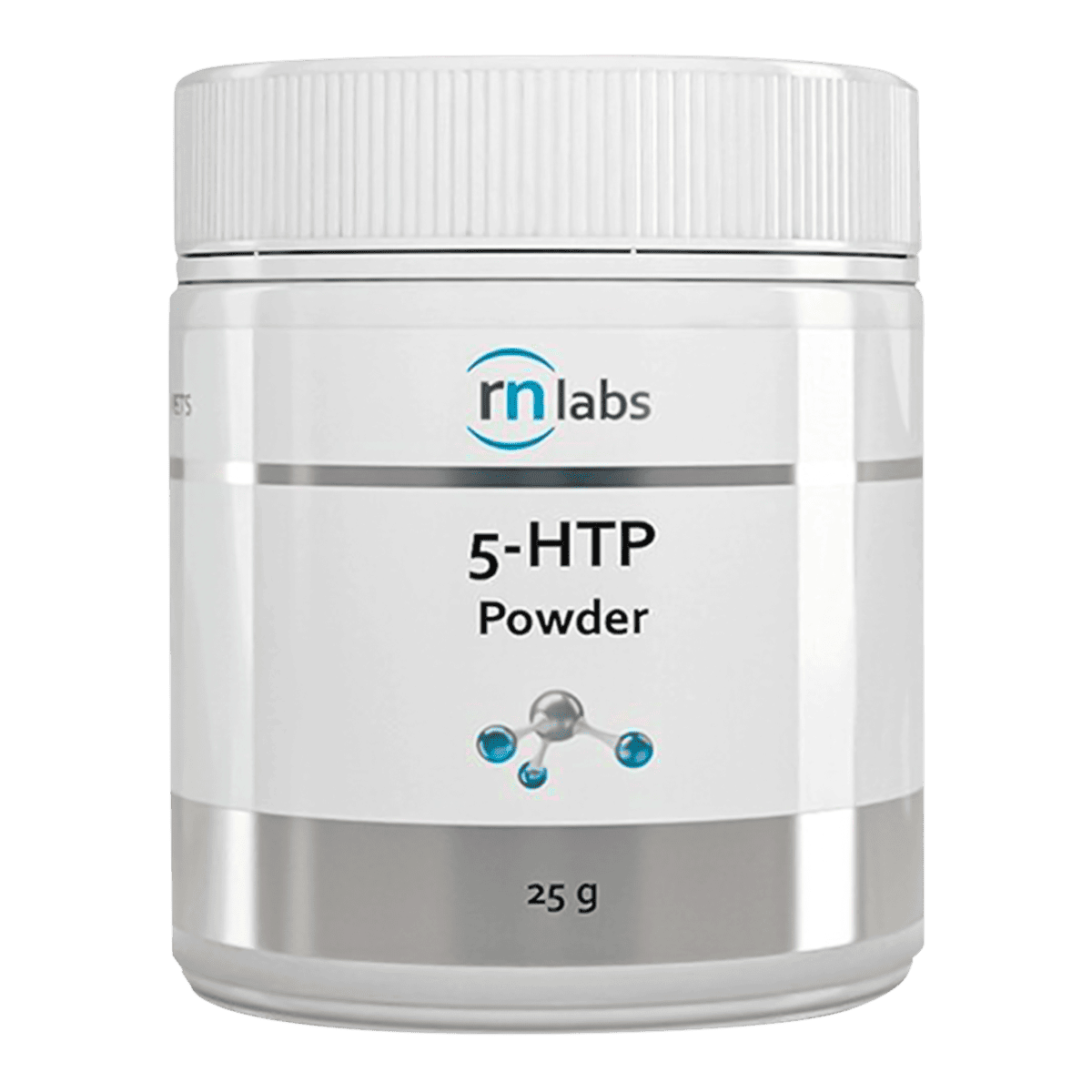
$11.01
Members Save
• Directly supports serotonin production, which is significantly lower in people with Intestinal Hypomobility and essential for proper gut peristalsis
• Addresses the underlying neurochemical imbalance that causes sluggish bowel motions and delayed stool transit
• Helps restore coordinated intestinal contractions by supporting enteric nervous system function